5 Quick Ways How to Use Pond Kits
The first time you press damp soil into the liner of a preformed pond shell, the resistance tells you everything about drainage. Most gardeners discover this too late, after algae blooms or collapsed edges force a rebuild. Learning the correct steps to use pond kits eliminates guesswork and transforms a weekend project into a decade-long ecosystem. Each kit arrives as a puzzle of pumps, biological filters, and basin geometry. Your hands assemble living infrastructure, not decoration.
Materials
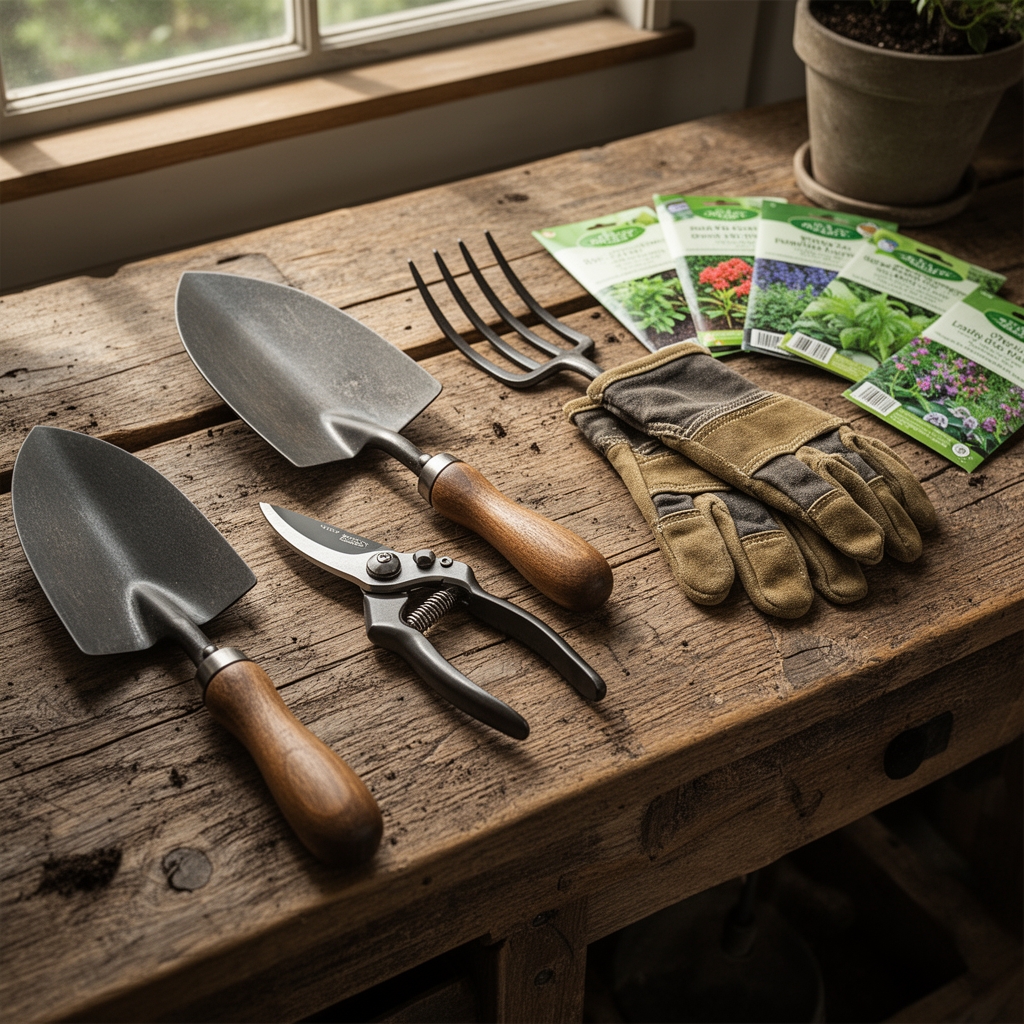
Select a rigid polyethylene or fiberglass shell rated for UV resistance (minimum 500 microns thickness). Pair it with a submersible pump delivering 500–1000 gallons per hour for every 1000 gallons of pond volume. Biological filter media should include lava rock or sintered glass beads with a surface area exceeding 200 square feet per cubic foot.
Soil amendments for marginal plantings require precision. Use a 4-4-4 organic aquatic planting mix with controlled-release nitrogen. Avoid terrestrial composts; their high cation exchange capacity leaches phosphates into water, triggering algae. For pH stabilization, incorporate crushed oyster shell at 2 pounds per 10 square feet of bog shelf. This buffers acidic runoff and slowly releases calcium for plant cell walls.
Liner underlayment demands 2 inches of mason sand (washed, not playground grade). The angular grains lock together under weight, preventing punctures from subsurface roots or frost heave. Add bentonite clay at 1 pound per square yard if your native soil drains faster than 2 inches per hour. This creates a capillary break that holds moisture without waterlogging adjacent beds.
Timing
Install pond kits between the last spring frost and mid-June in USDA Hardiness Zones 4–7. Soil temperatures must stabilize above 55°F to allow beneficial bacteria colonization in biofilters. In Zones 8–10, work during late autumn (October–November) when summer heat stress subsides. Winter installation risks ice expansion damage unless you excavate below the local frost line (typically 36–48 inches in northern climates).
Introduce aquatic plants only after water temperature holds steady at 60°F for seven consecutive days. Premature planting delays root establishment by 3–4 weeks as cold water slows auxin distribution. Monitor pond water temperature with a digital thermometer calibrated to 0.1°F accuracy. Log readings at dawn and dusk for three days before transplanting.
Phases

Sowing the Site
Excavate 2 inches deeper than the shell's maximum depth. Trace the outline by inverting the kit and marking with landscape paint. Remove rocks larger than 1 inch diameter and slice through roots cleanly with loppers. Backfill the base with mason sand, compacting every 4 inches using a tamper (200-pound force minimum). Place the shell and check level with a 4-foot carpenter's level on multiple axes. Adjust by adding or removing sand beneath high or low corners.
Pro-Tip: Mist the sand layer until just damp, not saturated. This activates particle cohesion, reducing future settling by 40 percent compared to dry installation.
Transplanting Aquatics
Fill the pond to half-depth before positioning plants. Submerged oxygenators (hornwort, anacharis) root best when planted 18 inches below the surface in 3-gallon fabric pots filled with pea gravel. Top-dress with 1 inch of additional gravel to prevent substrate from clouding water. Place marginal plants (iris, rush) on shelves 6–12 inches deep, spacing them 12 inches apart to allow lateral rhizome spread.
Inoculate root zones with mycorrhizal fungi (Glomus intraradices) at 1 teaspoon per plant. Mix the powder directly into the root ball. This symbiosis increases phosphorus uptake by 300 percent in low-nutrient aquatic soils.
Pro-Tip: Trim marginal plant leaves at a 45-degree angle, removing the top third. This redirects energy to root establishment rather than transpiration-driven water loss.
Establishing Flow
Connect the pump outlet to the filter intake using 1.5-inch ribbed tubing secured with stainless steel clamps. Prime the pump by submerging it fully and allowing air pockets to escape for 60 seconds. Set flow rate to cycle the entire pond volume once every two hours. Place the pump on a brick or inverted pot 4 inches above the pond floor to minimize sediment intake.
Seed the biological filter with live nitrifying bacteria (Nitrosomonas and Nitrobacter strains). Dose at 1 ounce per 100 gallons weekly for four weeks. These bacteria convert ammonia to nitrite, then nitrate, completing the nitrogen cycle within 21–28 days under optimal conditions.
Pro-Tip: Shade the filter housing with a burlap drape for the first two weeks. Direct sunlight raises internal temperatures above 85°F, killing 60 percent of bacterial colonies.
Troubleshooting
Symptom: Green water within 10 days of filling.
Solution: Excess phosphates. Test water with a colorimetric kit (target below 0.03 ppm). Add barley straw bundles at 1 ounce per 10 gallons. Decomposing straw releases humic acids that inhibit algae reproduction without harming fish or plants.
Symptom: Marginal plant leaves yellow from the base upward.
Solution: Nitrogen deficiency. Apply aquatic fertilizer tablets (10-14-8) pressed 3 inches into root zone soil. Dose monthly during the growing season. Avoid liquid fertilizers; they disperse into open water and feed algae.
Symptom: Pump hums but produces no flow.
Solution: Impeller clogged with hair algae or debris. Disassemble pump housing and soak components in a 1:10 white vinegar solution for 20 minutes. Scrub impeller blades with a stiff nylon brush. Install a pre-filter sponge rated at 20 pores per inch to capture particles before they reach the motor.
Symptom: Liner edge collapses after heavy rain.
Solution: Inadequate backfill compaction. Drain pond to half-level. Excavate the settled area and repack with 3:1 sand-to-soil mix, tamping every 2 inches. Fold excess liner over the edge and secure with flat fieldstones weighing 15–25 pounds each, spaced 18 inches apart.
Symptom: Fish gasping at surface at dawn.
Solution: Oxygen depletion due to plant respiration. Install a venturi aerator on the pump return line. This injects air bubbles, raising dissolved oxygen to 7–9 ppm. Alternatively, reduce plant density by 30 percent to balance oxygen production and consumption.
Maintenance
Add 1 inch of water weekly during summer to offset evaporation. Clean mechanical filter pads every two weeks by rinsing with pond water (never tap water, which contains chlorine that kills beneficial bacteria). Prune dead marginal plant foliage monthly, cutting stems 2 inches above the water line to prevent rot.
Test water chemistry every three weeks: ammonia (0 ppm), nitrite (0 ppm), nitrate (below 40 ppm), and pH (6.8–7.8). Adjust pH with sodium bicarbonate (raises) or sphagnum peat (lowers) at 1 tablespoon per 100 gallons per day until target is reached. Perform 10 percent water changes biweekly to dilute accumulated nitrates.
Overwinter pumps in Zones 6 and colder by removing them before the first freeze. Store submerged in a bucket of pond water in a garage above 40°F. This keeps seals hydrated and prevents cracking. Leave hardy aquatic plants in place; ice insulates roots as long as crowns remain 18 inches below the ice layer.
FAQ
How long before pond water clears naturally?
Expect 6–8 weeks as the nitrogen cycle establishes. Suspended particles settle once bacterial biofilms colonize filter media and consume dissolved organics.
Can I use rainwater to fill a pond kit?
Yes, but test pH first. Rainwater in industrial areas often measures 5.2–5.8 due to dissolved sulfur dioxide. Buffer with crushed limestone at 3 pounds per 500 gallons.
What depth prevents complete winter freezing?
Maintain 24 inches minimum in Zone 6, 30 inches in Zone 5, and 36 inches in Zone 4. This keeps fish and plant roots below the freeze line.
How many plants per square foot of water surface?
Stock one marginal plant per 2 square feet and one submerged oxygenator per 3 square feet. Overstocking reduces oxygen and increases nutrient competition.
Should I remove falling leaves in autumn?
Yes. Decaying leaves release tannins that drop pH below 6.0 and spike ammonia. Stretch 0.25-inch netting across the pond in October and remove it after leaf drop completes.