7 Easy Ways How to Hang Garden Mirrors
Reflective surfaces in the garden bend light through foliage, expand narrow borders into infinite rooms, and transform neglected corners into luminous focal points. Learning how to hang garden mirrors correctly prevents structural failure, protects mirror silvering from moisture, and creates optical effects that amplify both photosynthesis and design. Proper installation requires understanding substrate compatibility, weight distribution, and microclimatic shifts that occur when you introduce reflective panels among living plants.
Materials
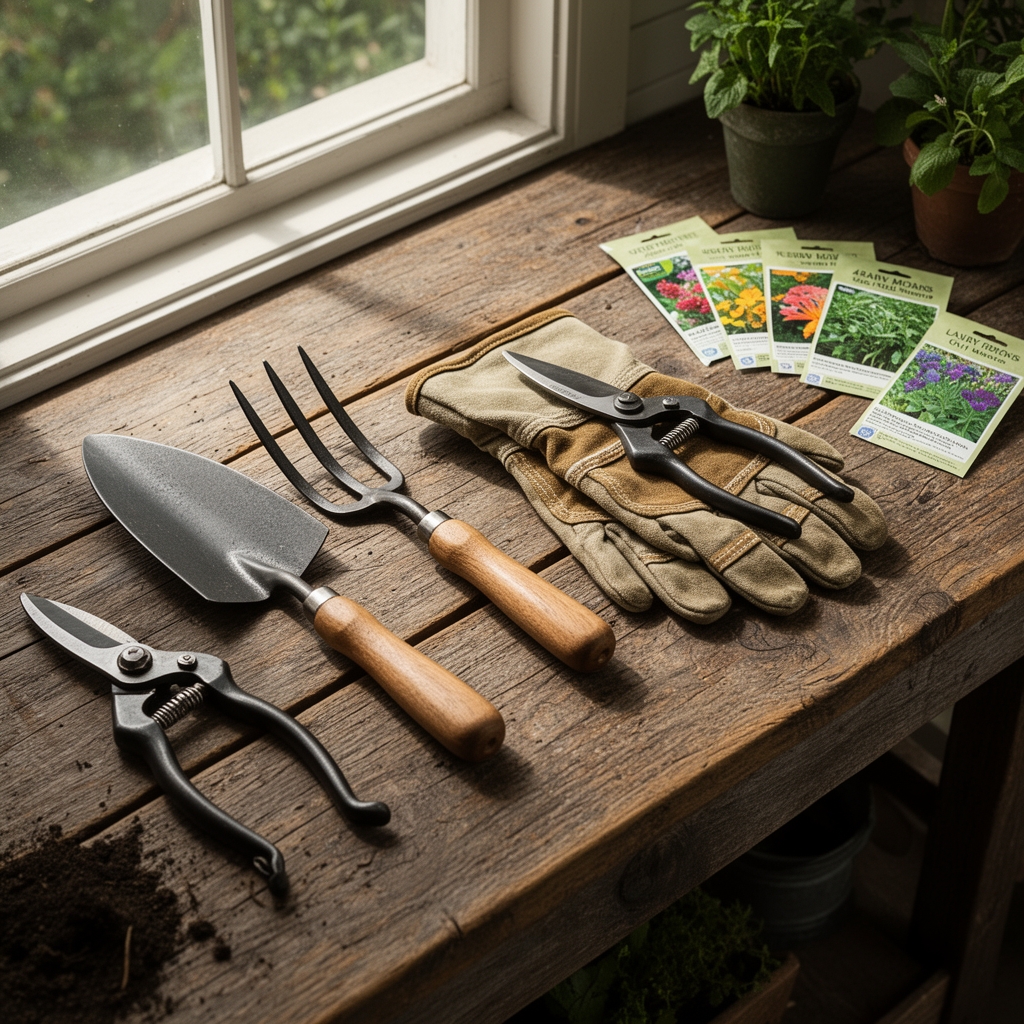
Select mirrors rated for outdoor use with sealed edges and acrylic or tempered glass. Marine-grade stainless steel screws resist corrosion in soils with high cation exchange capacity and humid zones. Use treated timber battens (minimum 2 x 2 inches) mounted into masonry with 3/8-inch galvanized concrete anchors rated to 50 pounds per fastener. For fence installations, employ 4-inch structural lag screws penetrating at least 2 inches into solid posts.
Adhesive options include polyurethane construction adhesive (PL Premium) or silicone rated for temperatures from -40F to 180F. Apply a 1/4-inch continuous bead around the perimeter and a serpentine pattern across the back. Avoid mirrors treated with lead-based silvering if planting edibles within 6 feet. Copper-free silver coatings prevent leaching into soil with pH below 6.2.
Frame materials should match the garden's nutrient profile metaphorically. Powder-coated aluminum resists rust in high-nitrogen zones near composting areas. Reclaimed cedar or redwood contains natural oils that deter fungal colonization, ideal for beds amended with 4-4-4 organic meal or feather meal releasing slow nitrogen.
Timing
Install mirrors during dormant periods in Zones 3-7 (November through early March) or in dry seasons for Zones 8-11 (June through September). Concrete anchors cure best when ambient temperatures remain above 50F for 48 hours. Avoid mounting during freeze-thaw cycles when masonry expands and contracts by up to 0.03 inches per linear foot.
Spring installations in frost-prone zones should occur 2 weeks after the last frost date to prevent moisture condensation on cold glass surfaces that can shock emerging seedlings with localized temperature drops. In Mediterranean climates, hang mirrors before autumn rains to allow sealant full polymerization time, typically 7 days at 65F and 50 percent relative humidity.
Phases

Site Selection and Substrate Prep: Mark positions where morning light strikes at 45-degree angles to bounce photons onto shade-tolerant species like hostas or ferns. Drill pilot holes 1/16 inch smaller than screw diameter to prevent splitting in aged timber. Clean masonry surfaces with a wire brush to remove efflorescence and organic biofilm that reduce adhesive bond strength by 40 percent.
Pro-Tip: Apply a primer coat of diluted PVA (1 part adhesive to 5 parts water) on porous brick to seal capillaries and prevent moisture wicking behind the mirror, which accelerates silvering degradation.
Mounting and Leveling: Position the mirror with a 5-degree forward tilt (top edge projecting outward) to shed rainwater and prevent puddling. Use shims cut from composite decking to achieve precise angles. Torque lag screws to 15 foot-pounds for wood substrates and 25 foot-pounds for masonry to avoid over-compression that cracks glass edges.
Anchor points should align with the mirror's center of gravity, typically 45 percent down from the top edge. Distribute fasteners every 16 inches along perimeter for panels exceeding 24 inches in any dimension. Check level along both axes using a digital inclinometer accurate to 0.1 degrees.
Pro-Tip: Drive screws through neoprene washers (1/8 inch thick) to create a capillary break that prevents moisture transfer from fastener heads to silvering substrates.
Sealing and Protection: Apply clear silicone sealant along the top and side edges, leaving the bottom 2 inches open for drainage and vapor escape. This prevents condensation traps that encourage moss colonization and degrade reflective coatings through oxidation. Install a drip cap or angled wood trim 1 inch above the mirror's top edge to deflect water runoff.
Pro-Tip: Position mirrors at least 18 inches from irrigation emitters to avoid persistent water spotting that reduces light reflectance by 22 percent and promotes algae films rich in auxin-producing bacteria.
Troubleshooting
Symptom: Silvering develops black spots or hazy patches within 6 months.
Solution: Moisture has penetrated the seal. Remove the mirror, strip old sealant with a plastic scraper, apply butyl tape around edges, then reseal with marine-grade silicone rated to 3500 psi adhesion.
Symptom: Mirror tilts or sags after winter.
Solution: Frost heave has shifted anchors. Reinstall using helical ground anchors rated to 1500 pounds for freestanding frames, or add a third top fastener to redistribute shear forces across three points instead of two.
Symptom: Plants within 3 feet show leaf scorch or bleached patches.
Solution: Concentrated reflection creates hot spots exceeding 95F. Relocate the mirror 15 degrees off-axis from midday sun, or apply 20 percent shade cloth in a 2-foot radius during peak summer.
Symptom: Green algae film develops on glass surface.
Solution: Excess nitrogen runoff (above 40 ppm) and humidity promote growth. Spray with 1 part white vinegar to 3 parts water monthly, then reduce granular fertilizer applications by one-quarter.
Symptom: Frame rot or rust appears within one season.
Solution: Wood lacks proper sealer or metal coating has chipped. Sand affected areas, apply two coats of exterior-grade polyurethane or rust-inhibiting primer, ensuring coverage on cut ends where capillary action draws moisture.
Maintenance
Clean mirror surfaces every 6 weeks with a solution of 2 tablespoons dish soap per gallon of water and a microfiber cloth. Avoid ammonia-based cleaners that degrade sealants and coatings. Inspect fasteners quarterly, retightening to original torque specifications if loosening exceeds one-quarter turn.
Prune vegetation to maintain 8 inches clearance from mirror edges, preventing abrasion from wind-blown stems and reducing humidity in the microclimate. Apply fresh sealant every 24 months in coastal zones (Zone 9-11) or every 36 months in continental climates (Zone 3-7). Monitor for wasp nests or spider webs in frame recesses monthly during growing season, removing biomass that traps moisture.
In regions with freeze events, verify that drainage holes remain clear by flushing with water each spring. Mineral deposits can occlude openings, leading to ice formation that cracks glass. Reposition portable mirrors every 18 months to prevent soil compaction and root girdling beneath freestanding bases.
FAQ
Can mirrors harm plants?
When angled correctly, mirrors increase available light by 15-30 percent without heat damage, benefiting shade plants. Direct midday reflection may cause localized stress in species adapted to diffuse light.
What size mirror works best in small gardens?
Panels measuring 18 x 24 inches provide optical expansion without overwhelming narrow borders. Larger surfaces (36 x 48 inches) suit walls exceeding 8 feet in length.
How do I prevent bird strikes?
Apply hawk silhouette decals every 4 feet or suspend monofilament lines 3 inches in front of the surface at 6-inch vertical spacing to disrupt reflective illusions.
Do mirrors affect soil chemistry?
No direct impact occurs. Reflected light may accelerate evaporation by 10 percent within 2 feet, requiring slight increases in irrigation frequency during dry periods.
Can I use bathroom mirrors outdoors?
Standard mirrors lack edge sealing and moisture barriers. They degrade within 6 months in outdoor conditions, losing reflectivity and developing corrosion that leaches heavy metals.