5 Quick Steps to Use Bee Hotels
The mason bee's life cycle depends on one simple decision you make in early spring: where you place the hotel and how you prepare the substrate around it. Proper steps to use bee hotels combine shelter architecture with strategic plant communities, ensuring native pollinators colonize tubes at rates exceeding 70 percent. A well-sited bee hotel paired with nectar corridors turns dormant yards into functional ecosystems within 90 days.
Materials
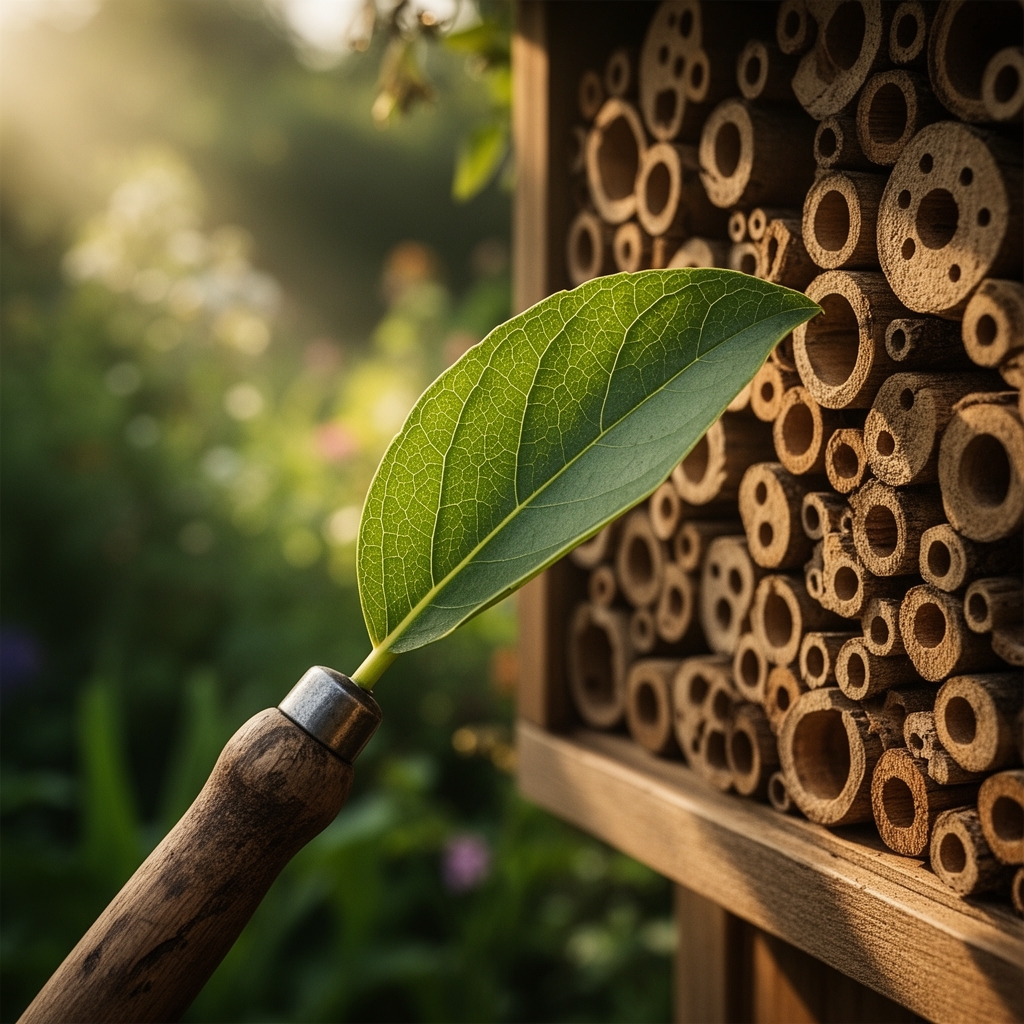
Select untreated wood blocks or bamboo tubes measuring 5/16 inch in interior diameter. Mason bees and leafcutter bees prefer this dimension. Avoid cedar; its phenolic compounds repel many native species. Paper tubes offer disposable sanitation between seasons. Replace them annually to prevent mite accumulation.
Anchor the structure with galvanized lag bolts into posts treated with copper naphthenate, rated for soil pH between 5.8 and 7.2. Surround the base with a 3-4-4 organic fertilizer blend to support adjacent flowering plants. Add dolomitic lime at 2 pounds per 100 square feet if soil tests reveal pH below 6.0. Native bees require diverse bloom schedules; pair the hotel with early-spring bulbs, mid-season perennials, and late asters. Test cation exchange capacity annually. Values above 15 meq/100g support robust root systems that stabilize hotel posts during wind events.
Timing
Install bee hotels between March 1 and April 15 in USDA Hardiness Zones 5 through 7. This window coincides with the emergence of Osmia lignaria, the blue orchard bee, when soil temperatures reach 50 degrees Fahrenheit at 4 inches depth. In Zones 8 and 9, advance installation to mid-February. Zone 4 gardeners should wait until April 20 to avoid late frost damage to freshly provisioned tubes.
Position hotels before the first dandelion bloom. Early forage dictates colonization success. If installing in fall, complete setup by October 10. Overwinter tubes remain sealed until ambient temperatures stabilize above 55 degrees for five consecutive days. Late installations miss the spring nesting window and force bees to seek alternative sites.
Phases

Siting and Mounting
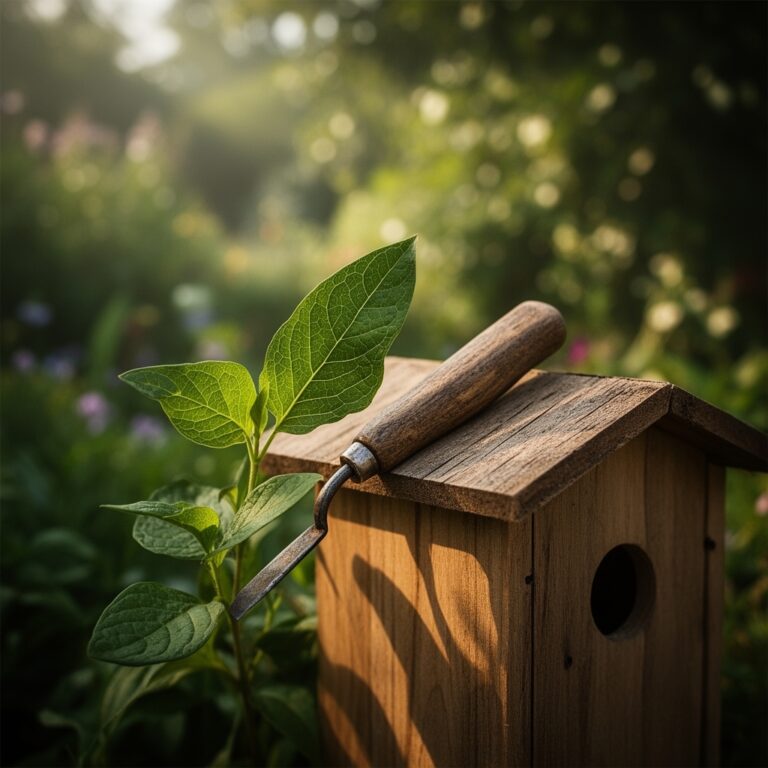
Orient the hotel facing southeast at an angle 5 degrees off vertical, tilting forward to shed rain. Mount the structure 3 to 5 feet above ground on a post or fence. Avoid north-facing walls; they remain below the 50-degree threshold required for larval development. Clear a 10-foot radius of herbicide-treated vegetation. Neonicotinoids persist in nectar and pollen for 180 days, contaminating brood chambers.
Pro-Tip: Drill pilot holes at 10-degree angles. The slight upward tilt prevents moisture accumulation and fungal colonization inside tubes.
Planting Companion Forage
Establish a bloom sequence within 300 feet. Plant spring bulbs such as crocus and scilla by November 1. Add perennials with staggered anthesis: Geranium maculatum in May, Monarda fistulosa in July, Symphyotrichum novae-angliae in September. Apply mycorrhizal fungi inoculant at transplant, mixing 1 tablespoon per gallon of backfill soil. Fungal hyphae extend root reach by 40 percent, increasing nectar production.
Incorporate 2 inches of aged compost into planting beds. Target nitrogen levels of 40 ppm. Excess nitrogen promotes vegetative growth at the expense of flower buds. Phosphorus at 25 ppm supports energy transfer during bloom. Potassium at 150 ppm strengthens cell walls, improving drought tolerance in midsummer.
Pro-Tip: Prune perennial stems at 45-degree angles in late fall. Leave 12-inch stubs. Hollow stems provide supplemental nesting sites for smaller bee species.
Monitoring and Harvesting Cocoons
Inspect tubes weekly from April through August. Sealed entrances indicate active nests. Mud plugs suggest mason bees; leaf fragments signal leafcutters. In October, remove tubes and store them in unheated sheds where temperatures remain between 35 and 40 degrees. This cold stratification mimics natural conditions.
In February, open paper tubes and extract cocoons. Rinse them gently in 50-degree water to remove mites and pollen mites. Air-dry for 24 hours. Store cocoons in ventilated containers at 38 degrees until release in March.
Pro-Tip: Introduce 20 percent new cocoons from regional suppliers annually. Genetic diversity reduces susceptibility to chalkbrood fungus.
Troubleshooting
Symptom: Tubes remain empty after six weeks.
Solution: Evaluate forage density. Native bees require 1,000 flowers within a 300-foot radius. Plant pollen-rich Helianthus or Rudbeckia cultivars. Increase flower counts by 40 percent.
Symptom: Black mold on tube entrances.
Solution: Excessive humidity. Relocate the hotel to a site with four hours of morning sun. Prune overhanging branches to improve air circulation. Replace contaminated tubes immediately.
Symptom: Parasitic wasps visible near entrances.
Solution: Natural predation is normal. Maintain 10 percent buffer capacity in tube inventory. Install secondary hotels 50 feet apart to distribute pressure.
Symptom: Cocoons fail to hatch.
Solution: Storage temperature exceeded 45 degrees. Larval diapause breaks prematurely, exhausting energy reserves. Maintain strict 38-degree storage.
Symptom: Ants invade tubes.
Solution: Apply Tanglefoot barrier 6 inches below the hotel mount. Reapply every 60 days. Avoid insecticidal sprays near nesting sites.
Maintenance
Replace paper tubes annually before March 1. Scrub wooden blocks with a 10 percent bleach solution, rinse thoroughly, and dry for 48 hours. Inspect mounting hardware for rust. Tighten lag bolts if movement exceeds 1/4 inch.
Water companion plants with 1 inch per week during bloom periods. Reduce to 0.5 inch after flowering to prevent root rot. Mulch beds with 2 inches of shredded hardwood bark to stabilize soil temperature and suppress weeds. Reapply compost top-dressing in April, targeting 1/4 inch depth.
FAQ
When do bees use hotels?
Spring emergence occurs between March and June, depending on species and zone. Leafcutter bees nest from June through August.
How many tubes do I need?
Start with 50 tubes. A single female provisions 6 to 10 tubes per season. Expand capacity by 25 percent annually.
Can I paint the hotel?
Use only exterior latex in earth tones. Avoid black; it absorbs excessive heat, raising internal temperatures above 95 degrees and killing larvae.
Do I need to clean tubes?
Yes. Annual sanitation prevents mite and disease buildup. Remove cocoons, discard old tubes, and sanitize reusable blocks.
What if no bees arrive?
Verify forage availability and sun exposure. Consider purchasing starter cocoons from regional suppliers to establish local populations.