7 Easy Ways How to Place Garden Statues
Garden statues anchor the eye and provide focal points that guide visitors through planted beds, but poor placement creates visual dead zones. Learning how to place garden statues requires understanding sightlines, scale ratios, and the interplay between hardscape and living tissue. A well-positioned statue integrates with the soil biome beneath it, respecting root zones while enhancing the three-dimensional architecture of the garden space.
Materials
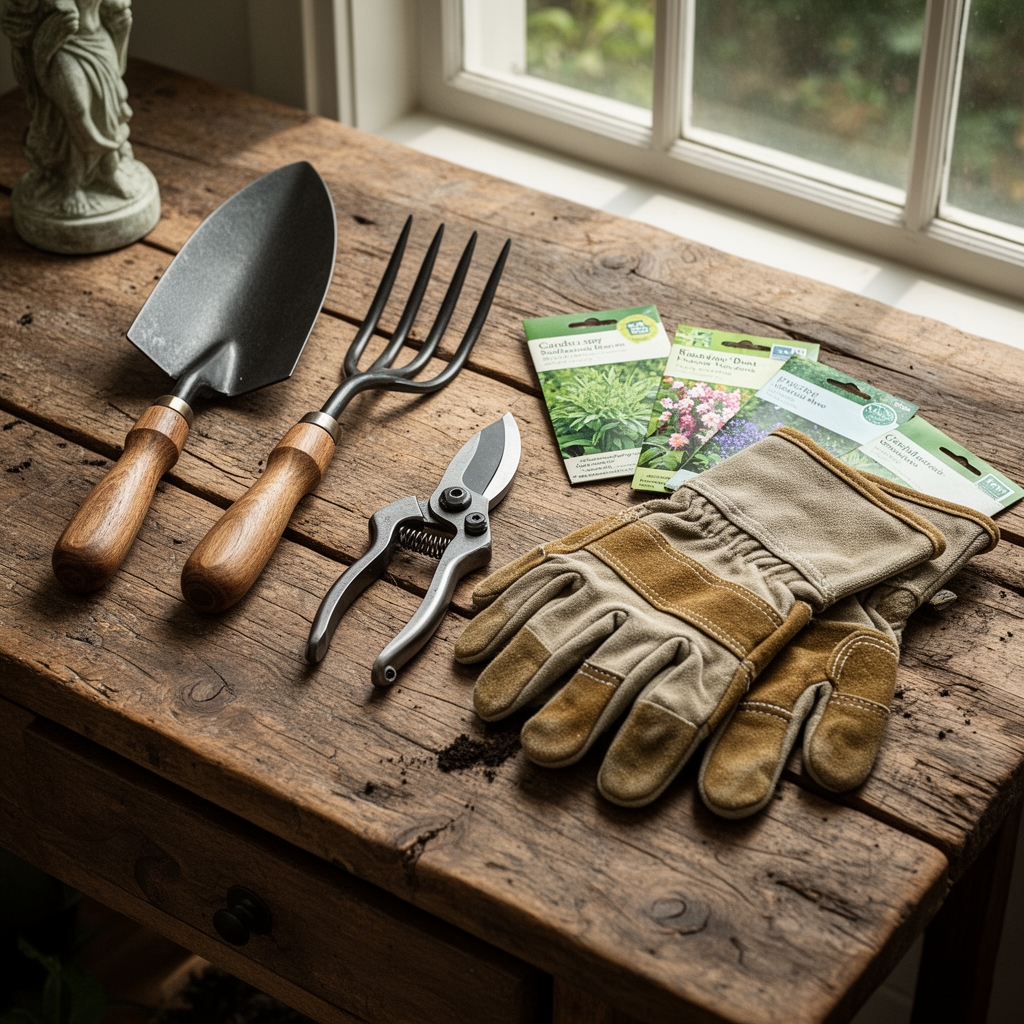
Substrate preparation determines long-term stability. For statues weighing under 50 pounds, excavate to 6 inches and backfill with crushed gravel (3/8-inch aggregate) to ensure drainage and prevent frost heave. Heavier pieces require a 12-inch compacted base of road base aggregate topped with 2 inches of coarse sand.
Amend surrounding planting beds with compost at a 2:1 ratio with native soil. Target a pH of 6.0 to 7.0 for most ornamental companions. Incorporate a balanced organic fertilizer such as 4-4-4 feather meal and bone meal blend at 2 pounds per 100 square feet. This slow-release formulation supports perennial establishment without leaching nitrates into groundwater.
For acid-loving companions like azaleas or pieris, shift to a 5-3-3 cottonseed meal blend and lower pH to 5.5 using elemental sulfur at 1 pound per 100 square feet. The cation exchange capacity of amended soil should reach 15 meq/100g to buffer nutrient availability through seasonal fluctuations.
Timing
Hardiness Zones 5 through 7 allow statue installation from late March through mid-May, after the final frost date but before soil temperatures exceed 65°F. This window permits simultaneous planting of companion perennials whose root systems establish before summer stress.
In Zones 8 and 9, delay installation until October through November when soil remains workable but air temperatures drop below 75°F. Root growth continues through winter in these regions, allowing mycorrhizal fungi to colonize before the spring flush.
Frozen ground in Zones 3 and 4 restricts work to a narrow May window. Prepare bases the previous autumn and cover with straw mulch to prevent heaving. Remove mulch in early May and proceed with placement once soil reaches 50°F at 4-inch depth.
Phases
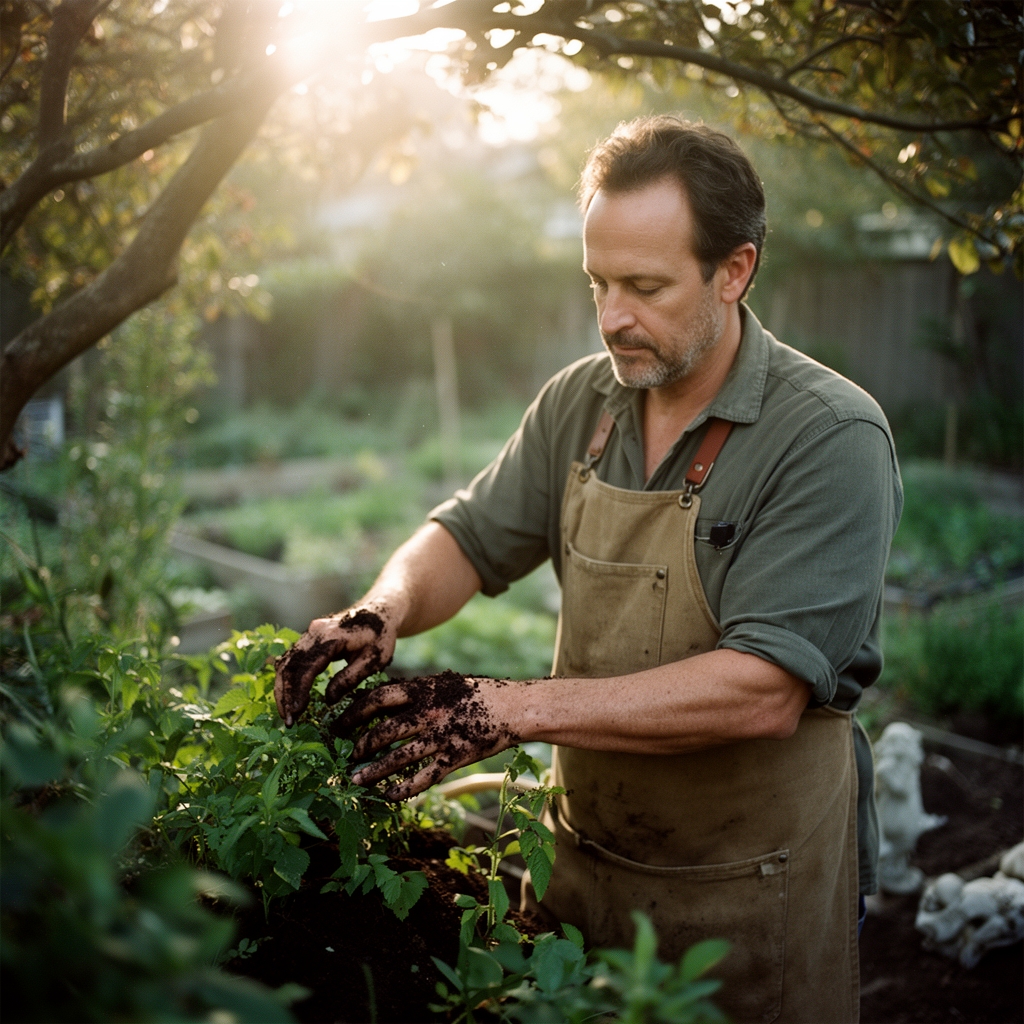
Siting: Walk the garden at three times of day to identify natural pause points where pathways curve or beds transition. Measure the statue's height and multiply by 1.5 to establish minimum viewing distance. A 36-inch statue requires at least 54 inches of clearance from the primary viewing angle. Check sightlines from windows and seating areas.
Pro-Tip: Use a cardboard mockup of identical dimensions and move it through candidate locations over one week. Observe how shadows fall at 10 a.m., 2 p.m., and 6 p.m.
Foundation Work: Excavate the footprint 2 inches wider than the base on all sides. Compact aggregate in 2-inch lifts using a hand tamper, achieving 95% compaction. Spread sand and level with a 4-foot straightedge, checking with a torpedo level in multiple directions. The pad should slope 1/8 inch per foot away from the statue to shed water.
Pro-Tip: Embed 1/4-inch hardware cloth at the gravel-sand interface to deter burrowing rodents that destabilize bases.
Installation and Planting: Position the statue and rotate to optimize the viewing angle. Plant companions in odd-numbered groupings at distances calculated by mature spread. For a 24-inch-wide statue, place a trio of 18-inch-spread perennials 30 inches from the base. This allows auxin distribution in root systems to proceed without competition while framing the sculpture.
Pro-Tip: Inoculate root balls with mycorrhizal fungi at 1 teaspoon per gallon of root volume to accelerate establishment and improve drought tolerance by 40%.
Troubleshooting
Symptom: Statue leans after winter.
Solution: Frost heave from inadequate base depth. Excavate to 12 inches, replace with non-frost-susceptible aggregate, and reinstall.
Symptom: Algae or moss growth on statue surface.
Solution: Excessive shade or poor air circulation. Thin overhead canopy by removing 20% of branch mass. Increase spacing between companion plants to 1.5 times recommended spread.
Symptom: Companion plants overwhelm statue by midsummer.
Solution: Incorrect scale ratio. Replace with species reaching 50% of statue height at maturity. Shear back aggressive growers by one-third in early June.
Symptom: Vole tunnels undermine base.
Solution: Install 1/4-inch hardware cloth as a 24-inch-wide apron 4 inches below grade around the perimeter.
Maintenance
Apply 2 inches of shredded hardwood mulch annually in a ring extending 18 inches beyond the statue base, keeping mulch 3 inches away from the sculpture itself. This suppresses weeds while moderating soil temperature fluctuations by 8°F.
Provide 1 inch of water weekly during establishment, delivered through drip irrigation placed 12 inches from companion root crowns. Reduce to 0.5 inches weekly after the first season.
Clean statuary twice yearly using a soft-bristle brush and pH-neutral stone soap diluted 1:10. Avoid pressure washers, which erode detail on cast stone and concrete.
Reapply a penetrating sealer rated for your statue material every 24 months. This reduces moisture infiltration by 85% and prevents spalling in freeze-thaw cycles.
FAQ
How far should a statue be from a pathway?
Maintain 18 inches minimum clearance to prevent contact damage and allow plant growth between the path edge and the sculpture base.
What size statue fits a 10-by-10-foot bed?
Select a piece 20 to 30 inches tall. Larger sculptures overpower the space. Smaller pieces disappear among mature plantings.
Can I place statues on lawns?
Yes, but excavate sod and install the aggregate base. Surface placement causes tipping and mower damage.
How do I prevent winter damage?
Wrap porous materials like terracotta in burlap and apply breathable covers. Remove in early spring to prevent condensation and microbial growth.
Should statues face a specific direction?
Orient decorative details toward primary viewing areas. South-facing placements maximize natural lighting for photography and evening enjoyment.