5 Quick Steps to Use Weather Vanes
Weather vanes have oriented farmers, gardeners, and homesteaders to prevailing winds for centuries, and understanding the steps to use weather vanes transforms them from decorative ornaments into functional climate-monitoring tools. A properly installed weather vane reveals microclimatic wind patterns that influence pollination rates, fungal spore distribution, and transpiration stress in your growing zones. The copper patina that develops on traditional vanes after 18-24 months provides a visual timeline of oxidation, while directional accuracy depends on mounting height, magnetic declination correction, and bearing maintenance.
Materials
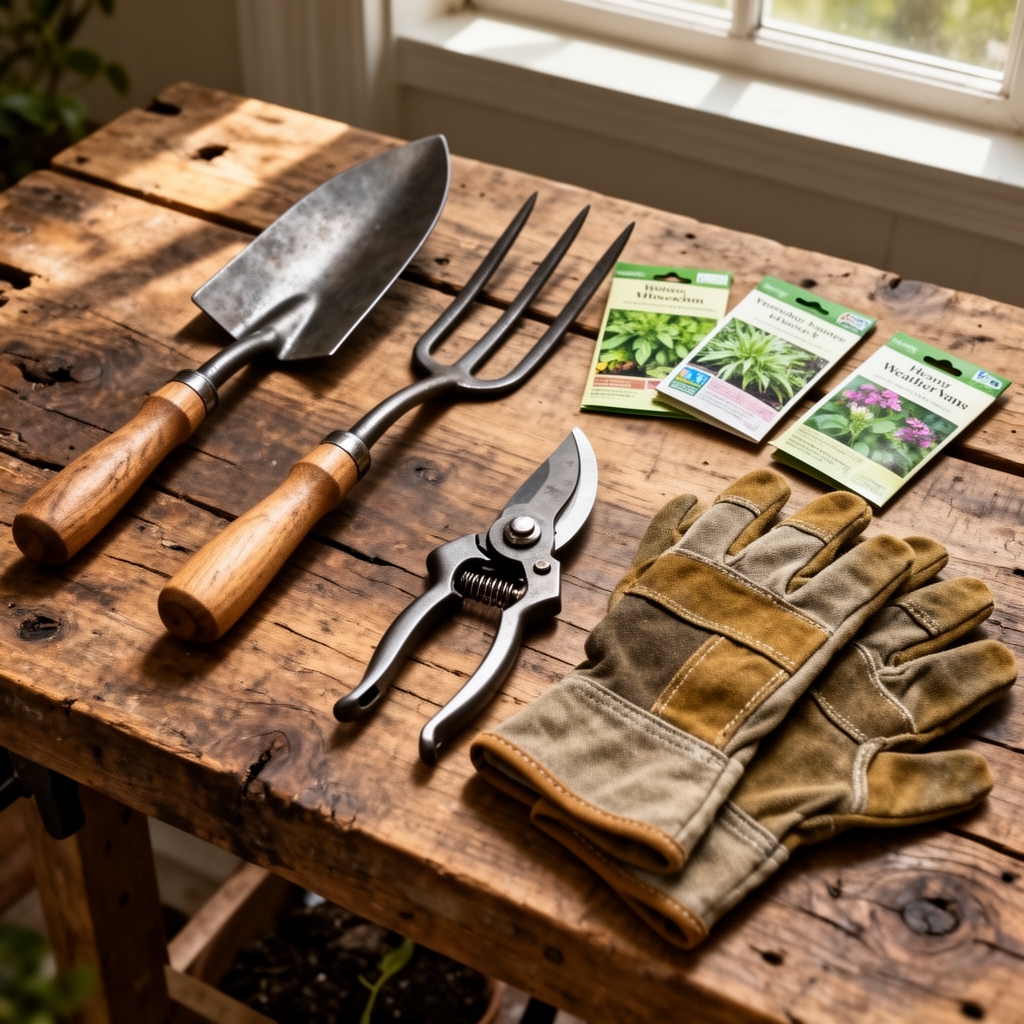
Select a weather vane body constructed from 16-gauge copper or powder-coated steel with sealed bearing assemblies rated for 40+ mph wind loads. The mounting pole requires galvanized steel pipe (1.5-inch diameter minimum) or pressure-treated 4×4 lumber with a moisture content below 19 percent. Secure with stainless steel lag bolts (3/8-inch diameter, 4-inch length) to prevent corrosion-induced failure.
Prepare the installation site by testing soil pH in a 6-inch radius around the mounting point. Aim for neutral pH (6.5-7.0) to minimize electrolytic corrosion where dissimilar metals contact damp soil. Amend acidic soils with dolomitic limestone at 5 pounds per 100 square feet to raise pH by one full point. Sandy soils benefit from 2-3 inches of aged compost (NPK 1-1-1) incorporated to 12 inches depth, improving cation exchange capacity and moisture retention around wooden posts.
For rooftop installations, locate structural rafters with a stud finder and mark drilling points. Apply roofing mastic (polyurethane or silicone base) around all penetrations to maintain waterproof integrity.
Timing
Install weather vanes during late spring (zones 5-7) or early autumn (zones 8-10) when freeze-thaw cycles will not destabilize ground mounts. Consult USDA hardiness zone maps and plan installation 4-6 weeks after the last frost date when soil temperatures stabilize above 50°F at 6-inch depth.
In coastal zones with salt spray exposure, schedule installation before storm season. UV degradation accelerates between May and August when solar radiation exceeds 900 watts per square meter. Apply marine-grade varnish to wooden components 72 hours before installation, allowing three thin coats with 24-hour cure intervals.
Phases

Sowing (Site Assessment)
Survey your property during morning hours when dew patterns reveal wind corridors. Observe how moisture accumulates on leaves. Prevailing winds create asymmetric auxin distribution in young trees, causing leaning growth. Select a mounting location at least 25 feet from buildings or dense tree canopies that create turbulence. The vane must clear obstructions by a vertical distance equal to twice the obstruction's height.
Pro-Tip: Inoculate wooden posts with Trichoderma harzianum fungal solution (10^6 spores per milliliter) before installation. This beneficial fungus colonizes wood surfaces and outcompetes rot-causing organisms, extending post life by 3-5 years.
Transplanting (Physical Installation)
Excavate a post hole 36 inches deep with a diameter three times the post width. Pour 6 inches of crushed gravel (3/4-inch aggregate) for drainage. Position the post plumb using a carpenter's level on two perpendicular faces. Backfill with native soil mixed 3:1 with coarse sand, tamping every 6 inches to eliminate air pockets.
Attach the directional arms (N, S, E, W) using a compass corrected for local magnetic declination. In Seattle, subtract 15.5 degrees east. In Boston, subtract 14.5 degrees west. Secure with brass set screws torqued to 8-10 inch-pounds to prevent thread stripping.
Pro-Tip: Apply a thin bead of lithium grease to bearing races before final assembly. This reduces friction coefficient by 40 percent and prevents moisture intrusion that causes seizing.
Establishing (Calibration)
Allow 48 hours for post settlement before final adjustment. Compare vane readings to NOAA weather station data for your zip code over seven consecutive days. Accuracy within 10 degrees indicates proper installation. Adjust cardinal markers if systematic bias appears.
Monitor for bearing wobble during 15+ mph wind events. Tighten the mounting collar if vertical displacement exceeds 2 degrees. Re-level annually, as frost heave shifts posts 1-3 degrees off plumb in northern zones.
Pro-Tip: Install a wind speed anemometer 12 inches below the vane to correlate direction with velocity. This data reveals whether winds from specific quadrants correlate with precipitation events or pollinator activity windows.
Troubleshooting
Symptom: Vane spins continuously regardless of wind direction.
Solution: Bearing assemblies have failed or accumulated debris. Disassemble, flush with mineral spirits, and repack with marine-grade grease. Replace sealed bearings every 5 years in high-humidity climates.
Symptom: Directional indicator frozen in one position.
Solution: Ice formation or corrosion has seized the spindle. Apply penetrating oil (PB Blaster or Liquid Wrench) at the bearing junction. Allow 30-minute soak time, then work the vane through 360-degree rotations. Consider adding a drip loop in the mounting rod to prevent water infiltration.
Symptom: Vane orientation disagrees with compass by more than 20 degrees.
Solution: Magnetic declination was not corrected during installation, or nearby metal structures (HVAC units, rebar, metal roofing) create magnetic anomalies. Relocate or recalibrate using GPS-based true north determination.
Symptom: Wooden post shows soft spots or mushroom growth at soil line.
Solution: Wood-decay fungi have compromised structural integrity. Excavate 12 inches around the post base and remove infected tissue until firm sapwood appears. Treat with copper naphthenate preservative (2 percent solution) and improve drainage with additional gravel.
Maintenance
Inspect bearing assemblies every 90 days. Apply three drops of synthetic oil (SAE 10W) to the spindle bearing if rotation resistance increases. Clean directional pointers with mild detergent solution and a soft brush each spring to remove accumulated pollen, algae, and bird droppings that add parasitic weight.
Tighten mounting hardware annually, checking for 8-10 inch-pounds of torque on lag bolts. Wooden posts require 1 gallon of wood preservative every 24 months, applied with a brush to the bottom 18 inches after sanding to bare wood. Copper vanes need no protective coating; natural patina formation provides corrosion resistance.
Remove ice accumulation within 2 hours of formation to prevent bearing damage. Never chip ice with metal tools; use lukewarm water (90°F) poured over frozen components.
FAQ
How high should I mount a weather vane?
Position the vane 3-5 feet above the highest roof peak or 10-15 feet above ground level in open terrain to escape ground-friction effects that distort wind direction readings below 8 feet.
Do weather vanes require electrical power?
No. Traditional weather vanes operate purely through mechanical response to wind pressure differential across asymmetric surfaces, requiring no power source beyond natural airflow.
What accuracy can I expect?
Properly installed vanes achieve 5-10 degree accuracy compared to calibrated meteorological instruments, sufficient for agricultural planning and microclimate assessment but not for aviation or research-grade measurements.
Will lightning strike my weather vane?
Elevated metal objects attract lightning. Install a grounded lightning rod 24 inches above the vane with 6 AWG copper wire running to an 8-foot ground rod driven into moist soil.
How do I prevent rust on steel vanes?
Apply two coats of rust-inhibiting primer (zinc chromate or epoxy-based) followed by exterior enamel paint rated for direct UV exposure. Repaint every 36 months or when chalking appears on south-facing surfaces.