8 Simple Ways How to Use Succession Planting
Learning how to use succession planting transforms a single spring harvest into a continuous supply of fresh vegetables from April through October. The technique staggers sowings at calculated intervals, ensuring new crops mature as older ones finish. Commercial growers and home gardeners alike rely on succession planting to maximize yield per square foot while maintaining soil health through deliberate crop rotation. Understanding how to use succession planting requires attention to each species' days-to-maturity, the functional relationship between ambient temperature and germination rates, and the nitrogen demands at different growth stages.
Materials
Succession planting depends on precise soil amendments calibrated to the cation exchange capacity of your site. Begin with a baseline soil test measuring pH, nitrogen (N), phosphorus (P), and potassium (K). Most leafy greens and brassicas thrive in pH 6.2 to 6.8. Sandy loams with low organic matter benefit from composted manure at 2 cubic yards per 100 square feet, supplying a gradual-release NPK ratio near 1-1-1. For heavy feeders like corn and tomatoes, incorporate a 5-5-5 granular organic fertilizer at 3 pounds per 100 square feet two weeks before planting.
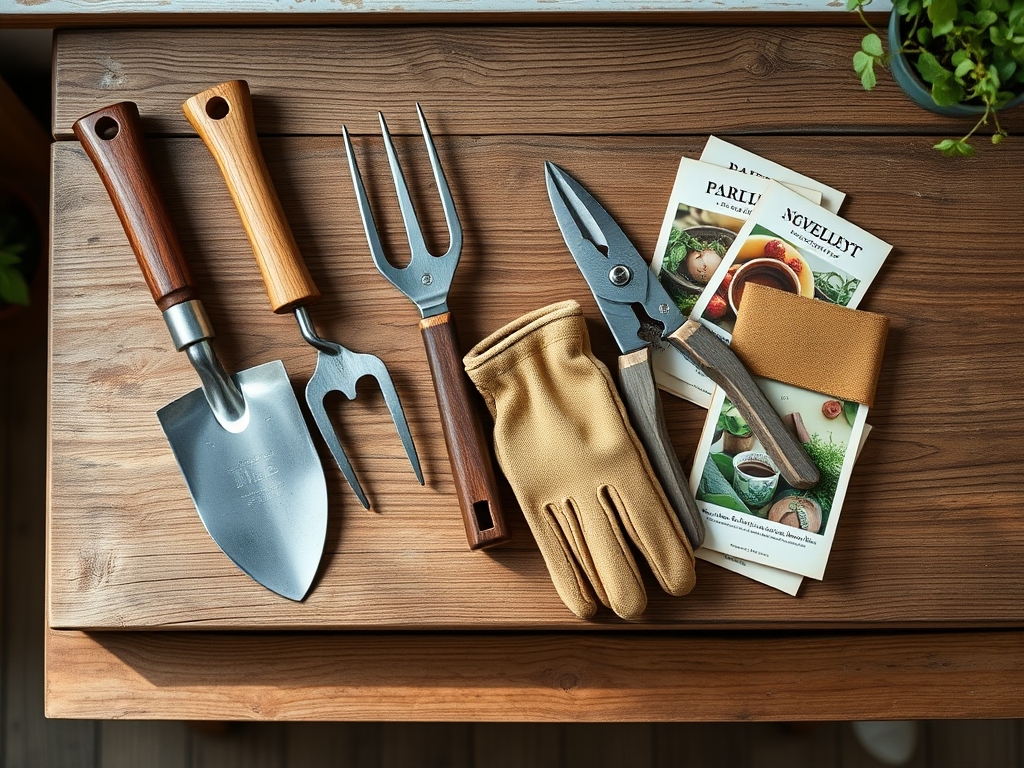
Root crops such as carrots and parsnips require lower nitrogen to prevent forking. Use bone meal (3-15-0) at 1 pound per 100 square feet for phosphorus-heavy amendments. Mycorrhizal fungi inoculants applied at transplanting increase phosphorus uptake by 40 percent in trials conducted at land-grant universities. Keep fish emulsion (5-1-1) on hand for side-dressing quick-maturing greens every 14 days. Kelp meal provides trace minerals and auxin precursors that regulate cell elongation.
Timing
Hardiness zones determine the frost-free window and dictate succession intervals. Zone 5 gardeners typically sow the first lettuce, spinach, and peas when soil reaches 45°F, usually mid-April. Succession sowings follow every 10 to 14 days until daytime highs exceed 75°F, at which point lettuce bolts. Resume sowings in mid-August for fall harvests extending into November under row cover.
Zone 7 offers a longer season. Initial sowings begin in early March, and summer gaps are shorter. Heat-tolerant cultivars like 'Jericho' lettuce and 'Red Russian' kale bridge the June-to-August window. In Zone 9, succession planting inverts: cool-season crops dominate November through March, while heat-lovers occupy April through October. Track your last spring frost date and first fall frost date with local extension service data. Count backward from the first fall frost by each crop's days-to-maturity plus 14 days to account for declining photoperiod and auxin distribution changes.
Phases
Sowing
Direct-sow small seeds like lettuce, radishes, and carrots in shallow furrows 0.25 to 0.5 inches deep. Space rows 6 inches apart for intensive succession beds. Larger seeds such as beans and squash require 1- to 2-inch depth. Firm soil contact accelerates imbibition and germination. Water immediately after sowing to 2 inches depth, then maintain consistent moisture until emergence.
Pro-Tip: Pelleted seed coatings on lettuce and carrot improve spacing precision and reduce thinning labor by 60 percent.

Transplanting
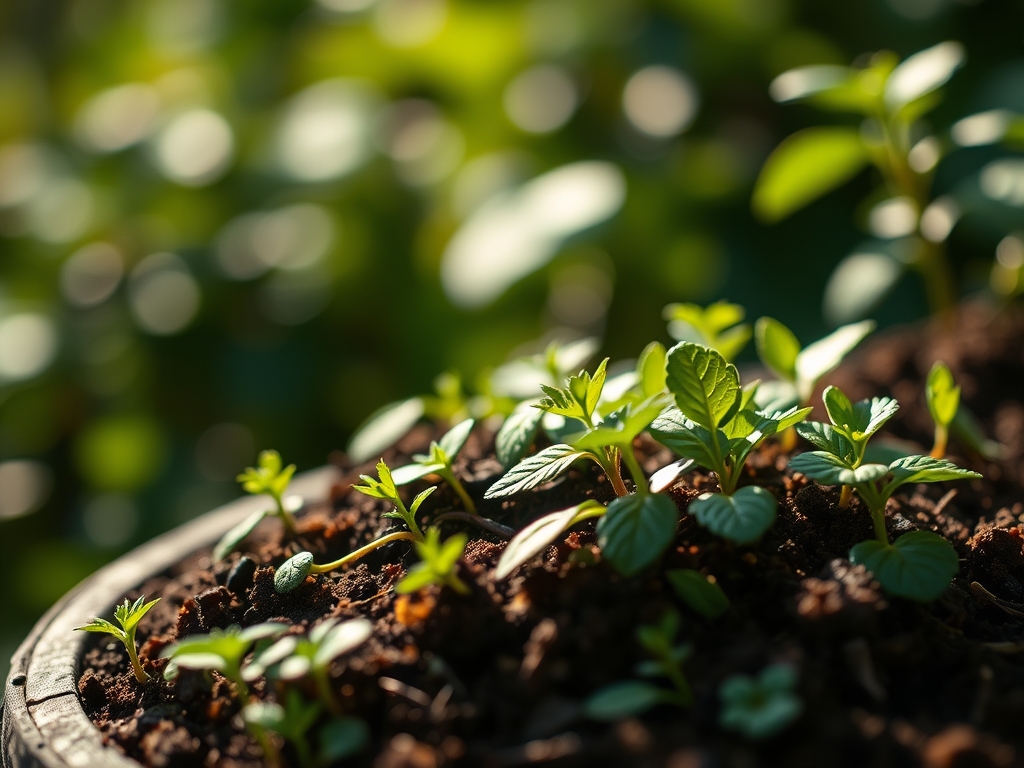
Start brassicas, tomatoes, and peppers indoors under full-spectrum LED grow lights providing 200 to 400 micromoles per square meter per second. Transplant when seedlings develop two true leaves, typically 4 to 6 weeks after germination. Harden off transplants by reducing water and exposing them to outdoor conditions for 7 days. Dig planting holes twice the root ball width. Set transplants at the same depth they grew in containers, except tomatoes, which root along buried stems.
Pro-Tip: Prune tomato transplants to a single leader at a 45-degree angle, removing suckers below the first flower truss to concentrate auxin distribution and accelerate fruiting by 9 days.
Establishing
Mulch rows with 2 inches of straw or shredded leaves to suppress weeds and moderate soil temperature. Monitor soil moisture at 4 inches depth with a tensiometer. Apply 1 inch of water weekly if rainfall is insufficient. Side-dress nitrogen-hungry crops like corn with blood meal (12-0-0) at 1 pound per 100 square feet when plants reach 12 inches tall. Mycorrhizal colonization reaches peak density 3 weeks after transplanting, supporting phosphorus uptake during rapid vegetative growth.
Pro-Tip: Interplant quick-maturing radishes with slow-growing carrots. Radishes break soil crusts, and their harvest at 25 days thins the carrot stand naturally.
Troubleshooting
Symptom: Leggy seedlings with elongated internodes.
Solution: Increase light intensity to 400 micromoles or move lights within 4 inches of foliage. Reduce nitrogen by 30 percent to limit auxin-driven cell elongation.
Symptom: Bolting lettuce or spinach before maturity.
Solution: Plant bolt-resistant cultivars like 'Defending' spinach when soil exceeds 60°F. Apply shade cloth reducing light by 30 percent during heat spikes above 80°F.
Symptom: Damping-off fungus causing seedling collapse.
Solution: Sterilize seed-starting mix by heating to 180°F for 30 minutes. Water with chamomile tea containing antifungal compounds. Improve air circulation with a 6-inch oscillating fan.
Symptom: Flea beetles skeletonizing brassica leaves.
Solution: Cover seedlings with row cover (0.55-ounce weight) immediately after planting. Remove cover at flowering. Dust with kaolin clay forming a physical barrier on leaf surfaces.
Symptom: Blossom-end rot on tomatoes and peppers.
Solution: Maintain consistent soil moisture to prevent calcium transport disruption. Apply gypsum (calcium sulfate) at 2 pounds per 100 square feet if soil calcium is below 1,200 ppm.
Maintenance
Water newly sown beds daily to 0.5 inches depth until germination. Established crops require 1 inch per week, delivered in a single deep watering rather than frequent shallow applications. This encourages roots to grow 12 inches deep, accessing subsoil moisture reserves. Thin seedlings to final spacing when they develop two true leaves. Crowding reduces air circulation and invites fungal pathogens.
Fertilize every 14 days with liquid fish emulsion diluted to half strength (2.5-0.5-0.5 NPK). Scout for pests twice weekly. Hand-pick hornworms and squash bugs. Remove spent plants immediately after final harvest to eliminate overwintering pest habitat. Rotate crop families annually to interrupt soil-borne disease cycles and balance nutrient depletion.
FAQ
How often should I plant successive crops?
Plant lettuce and radishes every 10 days. Beans and corn follow 14-day intervals. Adjust timing based on each variety's days-to-maturity to prevent harvest gluts.
Can I succession plant in containers?
Yes. Use 5-gallon containers with drainage holes. Refresh potting mix between plantings by adding 1 cup of compost per gallon. Container crops require daily watering in summer.
Which crops work best for succession planting?
Lettuce, spinach, arugula, radishes, bush beans, beets, and carrots mature quickly and tolerate multiple sowings. Avoid slow-maturing crops like parsnips or winter squash.
How do I prevent soil depletion with repeated plantings?
Rotate heavy feeders with nitrogen-fixing legumes. Apply 0.5 inches of compost between each succession cycle. Test soil annually and adjust amendments to maintain pH and NPK balance.
What temperature triggers bolting in cool-season crops?
Most lettuce bolts when exposed to 5 consecutive days above 75°F. Spinach bolts at 13-hour photoperiods combined with temperatures exceeding 70°F. Choose slow-bolt varieties for late spring sowings.