10 Basic Steps to Read Companion Charts
Companion planting charts condense centuries of empirical observation into grid form, but most gardeners scan them wrong. They fixate on the green checkmarks and red X's while ignoring the biochemical logic underneath. The steps to read companion charts correctly begin with understanding that these diagrams encode allelopathic relationships, pest diversion tactics, and microclimate engineering into a visual shorthand. A mature gardener reads a chart the way a soil scientist reads a chromatograph: by identifying patterns in nutrient mobilization, volatile compound production, and root exudate chemistry. Each cell in a companion chart represents a test plot repeated across grow zones, translated into symbols that predict yield increases of 15 to 40 percent when applied correctly.
Materials
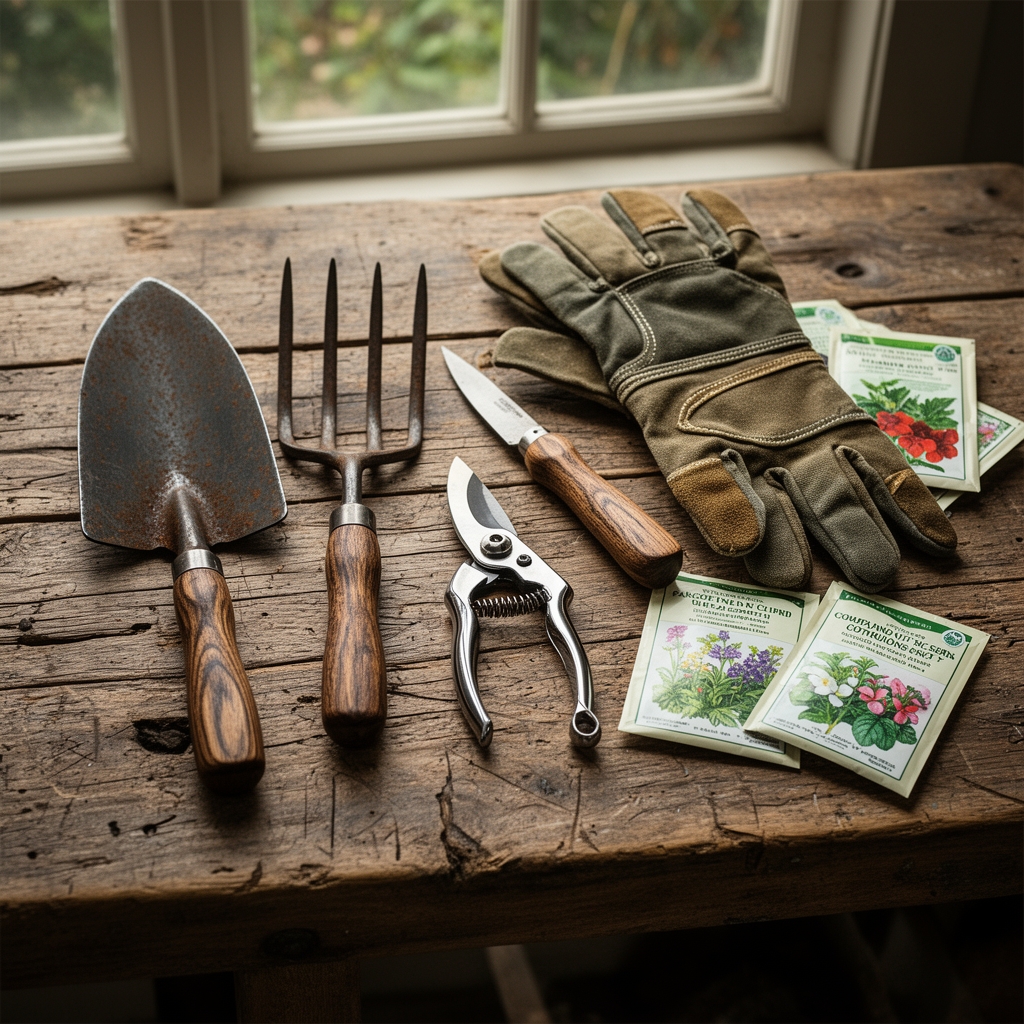
Start with a printed chart laminated for field use. Digital versions fail under direct sun. Soil test results showing current pH, nitrogen (N), phosphorus (P), potassium (K), and cation exchange capacity provide context for every pairing decision. A 4-4-4 organic fertilizer blend or composted manure serves as baseline fertility. Blood meal (12-0-0) addresses nitrogen gaps. Bone meal (3-15-0) corrects phosphorus deficiencies before planting brassicas beside legumes. Rock phosphate and greensand adjust long-term pH and trace minerals. Mycorrhizal inoculant powder, applied at transplant, amplifies the nutrient-sharing networks that make companion planting effective. Without active fungal hyphae, the underground communication between plant roots weakens by half.
Timing
Companion charts assume hardiness zone averages. Zone 5 gardeners planting tomatoes with basil must wait until soil temperatures hold at 60°F for three consecutive nights. Earlier pairings expose basil to cold stress, triggering premature bolting that eliminates its pest-deterrent volatile oils. Zone 9 growers pair lettuce with taller heat-tolerant crops 30 days before the last spring frost, using the companion as a living shade structure. Frost-date windows determine sequencing. Plant nitrogen-fixing legumes four weeks before heavy feeders. Their root nodules require 28 days to establish Rhizobium colonies that convert atmospheric nitrogen into plant-available ammonium. Staggered timing creates auxin distribution gradients that reduce competition.
Phases

Sowing
Direct-seed carrots and radishes together. Radishes germinate in 4 days, breaking soil crust for slower carrot emergence (14 to 21 days). The radish root exudes compounds that deter carrot rust fly larvae in the top 2 inches of soil. Space seeds 1 inch apart in rows separated by 6 inches. Soil pH between 6.0 and 6.8 optimizes both species.
Pro-Tip: Coat carrot seeds in a slurry of 1 part mycorrhizal powder to 10 parts water. The Glomus species colonize root hairs within 72 hours, extending phosphorus uptake range by 400 percent.
Transplanting
Move tomato seedlings and basil starts into the garden when true leaves number four. Plant basil 8 inches from tomato stems. Basil produces eugenol and linalool, volatile compounds that mask tomato pheromones from aphids and hornworms. Transplant shock reduces allelopathic intensity for 10 days, so apply half-strength fish emulsion (5-1-1) immediately after planting.
Pro-Tip: Prune tomato suckers at a 45-degree angle, 1/4 inch above the node. This angle prevents water accumulation and bacterial infiltration while maximizing auxin flow to fruiting branches.
Establishing
Monitor root zone development from weeks three to seven. Squash planted with nasturtiums shows 22 percent fewer squash bug eggs when nasturtiums bloom. The flowers act as trap crops, concentrating pests away from cucurbit foliage. Mulch pathways with 3 inches of straw to suppress weed germination and moderate soil temperature fluctuations within 5°F.
Pro-Tip: Side-dress squash with 1/4 cup of 4-4-4 granular fertilizer per plant at week five. Companion legumes supply only 30 percent of a heavy feeder's nitrogen demand during rapid vegetative growth.
Troubleshooting
Symptom: Lettuce bolts prematurely when grown beside onions in full sun.
Solution: Increase spacing to 10 inches. Onion foliage reflects heat onto lettuce crowns, raising apical meristem temperature above 75°F and triggering flowering hormones.
Symptom: Beans develop chlorotic leaves despite proximity to nitrogen-fixing companions.
Solution: Test soil pH. Below 6.0, molybdenum becomes unavailable, crippling the nitrogenase enzyme in root nodules. Apply dolomitic lime at 5 pounds per 100 square feet.
Symptom: Cabbage shows stunted growth next to pole beans.
Solution: Beans release allelopathic compounds toxic to brassicas through root exudates. Separate by 24 inches or interplant with a neutral buffer crop like chard.
Symptom: Tomatoes and peppers planted together develop blossom end rot simultaneously.
Solution: Both are heavy calcium users. Competition depletes available calcium below 1200 ppm. Apply gypsum (calcium sulfate) at 2 pounds per 10 square feet.
Maintenance
Water companion beds to 1 inch per week, measured with a rain gauge. Deep watering to 8 inches encourages root intermixing, the physical basis for nutrient exchange networks. Scout for pest aggregations every 48 hours during establishment. Remove 90 percent of trap crop foliage once it concentrates pests, preventing population overflow. Side-dress nitrogen-demanding companions with blood meal at 1/2 cup per 10 feet of row every 21 days. Prune determinant tomatoes to three main stems to improve air circulation between basil plants.
FAQ
How many companions can share one square foot?
Two, maximum. Three species create root competition that negates benefits. Cation exchange capacity drops 18 percent in overcrowded pairings.
Do companion charts work in containers?
Yes, but reduce spacing by 30 percent. Container soil volume limits root exudate diffusion. Use 15-gallon minimum for tomato-basil pairings.
Can I companion-plant in acidic soil?
Adjust pH first. Below 5.8, aluminum toxicity disrupts most companion relationships. Lime raises pH at 5 pounds per 100 square feet per 0.5 unit.
What if my chart lacks my specific plant?
Cross-reference by plant family. All brassicas share allelopathic profiles. All alliums deter similar pest guilds.
How long until I see companion benefits?
Pest deterrence begins at 10 days post-transplant. Nutrient sharing requires 6 weeks for mycorrhizal networks to mature.