6 Beautiful Ways How to Design a Winter Garden
The smell of damp, decomposing mulch and the high turgor pressure of a frost-hardy kale leaf define the success of a cold-season landscape. Mastering how to design a winter garden requires a shift from the rapid growth of summer to the slow, structural resilience of the dormant season. You must prioritize woody skeletons and evergreen biomass to maintain visual interest when deciduous species undergo senescence. Success depends on understanding soil chemistry and thermal mass rather than mere aesthetics.
To understand how to design a winter garden, one must treat the landscape as a living laboratory. The goal is to manage cellular hydration and prevent ice crystallization within plant tissues. This involves selecting species with high sugar concentrations in their sap, which acts as a natural antifreeze. By focusing on structural integrity and physiological endurance, you ensure the garden remains a productive, architectural space despite the drop in ambient temperature and reduced photoperiod.
Materials:

The foundation of a winter garden is a friable loam with a high Cation Exchange Capacity (CEC). This allows the soil to retain essential nutrients like potassium, which is critical for cold hardiness. Aim for a soil pH between 6.2 and 6.8 to ensure maximum nutrient bioavailability.
For structural evergreens and woody perennials, use a slow-release fertilizer with an NPK ratio of 5-10-10. The lower nitrogen content prevents late-season flushes of soft, succulent growth that would be easily destroyed by a hard freeze. Phosphorus and potassium strengthen cell walls and promote root development. Incorporate organic matter to increase the soil's water-holding capacity; however, ensure drainage is impeccable. Saturated, anaerobic conditions in the rhizosphere during winter will lead to root rot. Use a mixture of 60 percent native soil, 30 percent composted leaf mold, and 10 percent coarse horticultural grit to maintain aeration.
Timing:
Timing is dictated by the USDA Hardiness Zones and the specific first frost date of your microclimate. In Zones 5 through 7, the transition must begin in late August to allow for root establishment before the ground freezes. The "Biological Clock" of the garden shifts as the photoperiod drops below 10 hours of light per day, a phenomenon known as the Persephone Period. During this time, plant growth effectively ceases.
You must ensure that all structural planting is completed at least six weeks before the first projected frost. This window allows the plant to move from the vegetative stage into a state of semi-dormancy while still expanding its root system into the surrounding soil matrix. Monitoring the soil temperature is more important than monitoring air temperature; most root activity continues until the soil drops below 40 degrees Fahrenheit (4.4 degrees Celsius).
Phases:

Sowing and Selection
Select species that provide winter interest through bark texture or persistent berries. Betula nigra (River Birch) offers exfoliating bark, while Ilex verticillata (Winterberry) provides intense color. When sowing winter cover crops like winter rye or hairy vetch, ensure seeds are in direct contact with the soil to facilitate moisture uptake.
Pro-Tip: Utilize species with high anthocyanin levels. These pigments not only provide red and purple hues but also protect the plant's photosynthetic apparatus from high-light stress during cold, clear winter days.
Transplanting
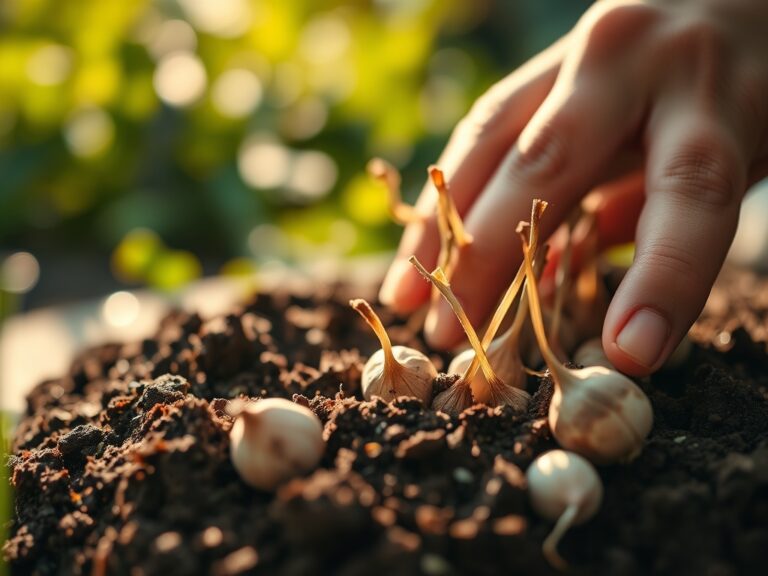
When moving evergreens like Buxus (Boxwood) or Taxus (Yew), dig a hole twice as wide as the root ball but no deeper. Ensure the root flare is visible at the soil surface. Backfill with native soil to avoid creating a "bathtub effect" where water collects in a pocket of amended soil and freezes.
Pro-Tip: Apply a mycorrhizal inoculant during transplanting. This symbiotic relationship between fungi and roots increases the surface area for water absorption, which is vital when the ground is frozen and physiological drought is a risk.
Establishing and Mulching
Apply a 3-inch layer of wood chips or pine straw around the base of new plantings. This insulation stabilizes soil temperatures, preventing the "freeze-thaw" cycle that causes soil heaving. Heaving can physically eject small plants from the ground, exposing the delicate rhizosphere to desiccation.
Pro-Tip: Avoid heavy pruning during the establishment phase to prevent auxin suppression. Auxins are hormones that promote root growth; removing terminal buds in late autumn can signal the plant to stop root expansion prematurely.
The Clinic:
Physiological disorders in winter are often mistaken for disease.
- Symptom: Winter Desiccation (Bronzing). Leaves appear brown and crispy, particularly on the windward side.
Solution: Apply an anti-desiccant spray to evergreen foliage to reduce transpiration. Ensure the plant is hydrated before the ground freezes. - Symptom: Bark Splitting (Sunscald). Vertical cracks appear on the south side of young tree trunks.
Solution: Wrap trunks with light-colored tree guards to reflect daytime sun and prevent the rapid warming of cambium tissue. - Symptom: Nitrogen Chlorosis. Older leaves turn pale yellow while veins remain green.
Solution: This is rare in winter but indicates a lack of bioavailability. Add a chelated liquid fertilizer if temperatures are above 45 degrees, or wait for spring warming to resume nutrient cycling.
Fix-It: If you detect Magnesium deficiency (interveinal chlorosis on older leaves), apply Epsom salts (magnesium sulfate) at a rate of 1 tablespoon per gallon of water to the base of the plant during a mid-winter thaw.
Maintenance:
Winter maintenance requires precision. Provide 1.5 inches of water per week at the drip line if the ground is not frozen and there has been no significant snowfall. Use a soil moisture meter to verify that the root zone is damp at a depth of 6 inches.
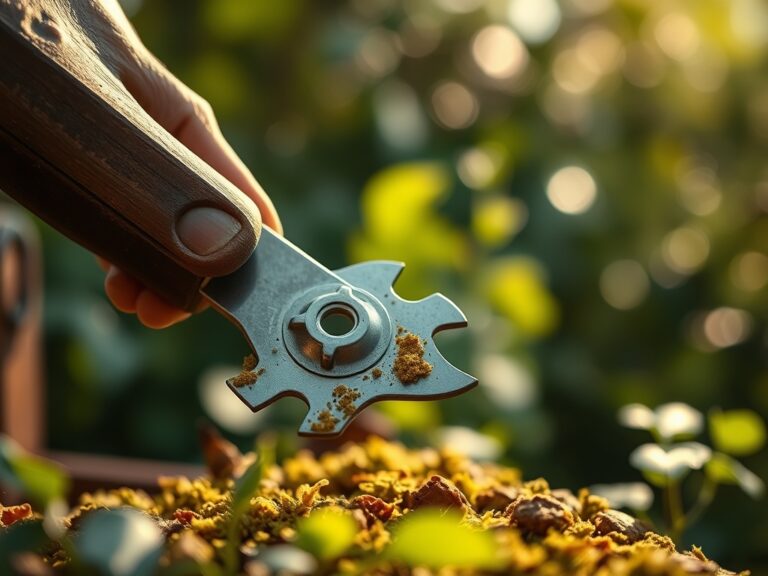
Keep your bypass pruners sharp and disinfected with 70 percent isopropyl alcohol to prevent the spread of pathogens. Use a hori-hori knife to remove deep-rooted perennial weeds that compete for nutrients. Remove heavy snow loads from brittle branches immediately using a soft broom; always brush upward to avoid snapping the limbs under the weight.
The Yield:
For those growing winter edibles like parsnips or carrots, the yield improves after a hard frost. Cold temperatures trigger the conversion of starches into sugars, enhancing flavor. Harvest when the soil is workable using a garden fork to lift the roots without bruising the skin.
To maintain "day-one" freshness, do not wash the soil off the roots until you are ready to use them. Store in a cool, dark environment with 90 percent humidity. For ornamental branches like Cornus sericea (Red Osier Dogwood), cut at a 45-degree angle and immediately place in tepid water to maintain vascular suction.
FAQ:
What is the best soil for winter containers?
Use a soilless potting mix with added perlite for drainage. Ensure the container is frost-proof, such as fiberglass or heavy stone, to prevent cracking when the wet medium expands during freezing.
How do I prevent winter kill on roses?
Mound soil 8 to 12 inches high over the graft union. This protects the most vulnerable part of the plant from extreme temperature fluctuations and keeps the dormant buds hydrated.
Can I prune shrubs in mid-winter?
Only prune fully dormant deciduous shrubs. Avoid pruning spring-blooming species like Forsythia, as you will remove the flower primordia developed during the previous growing season.
Why are my evergreen needles turning yellow?
This is often natural senescence. Most evergreens shed their oldest interior needles in autumn or winter. If the new growth at the tips is green, the plant is likely healthy.
How does mulch help in winter?
Mulch acts as a thermal insulator. It prevents the soil from rapidly fluctuating in temperature, which protects the root system from the mechanical stress of soil heaving and maintains consistent moisture levels.