9 Breezy Ways How to Design a Coastal Landscape
The salt spray hits the leaf cuticle with a caustic force that would desiccate a standard garden. Successful growth in these environments requires managing high osmotic pressure and abrasive winds. Learning how to design a coastal landscape begins with understanding the physical resistance of the plant cell wall. You must select species with thick, waxy cuticles or dense trichomes to prevent transpiration loss. Soil salinity often exceeds 2,000 parts per million, demanding a strategy focused on drainage and sodium leaching.
Establishing a resilient garden requires more than aesthetics; it is an exercise in structural biology. The goal is to create a multi-layered windbreak that filters salt rather than blocking it entirely. High-velocity winds create mechanical stress that can lead to xylem collapse if the plant lacks sufficient turgor pressure. By focusing on the rhizosphere and nutrient availability, you can build a system that thrives despite the maritime assault. This guide provides the technical framework for a functional, salt-tolerant ecosystem.
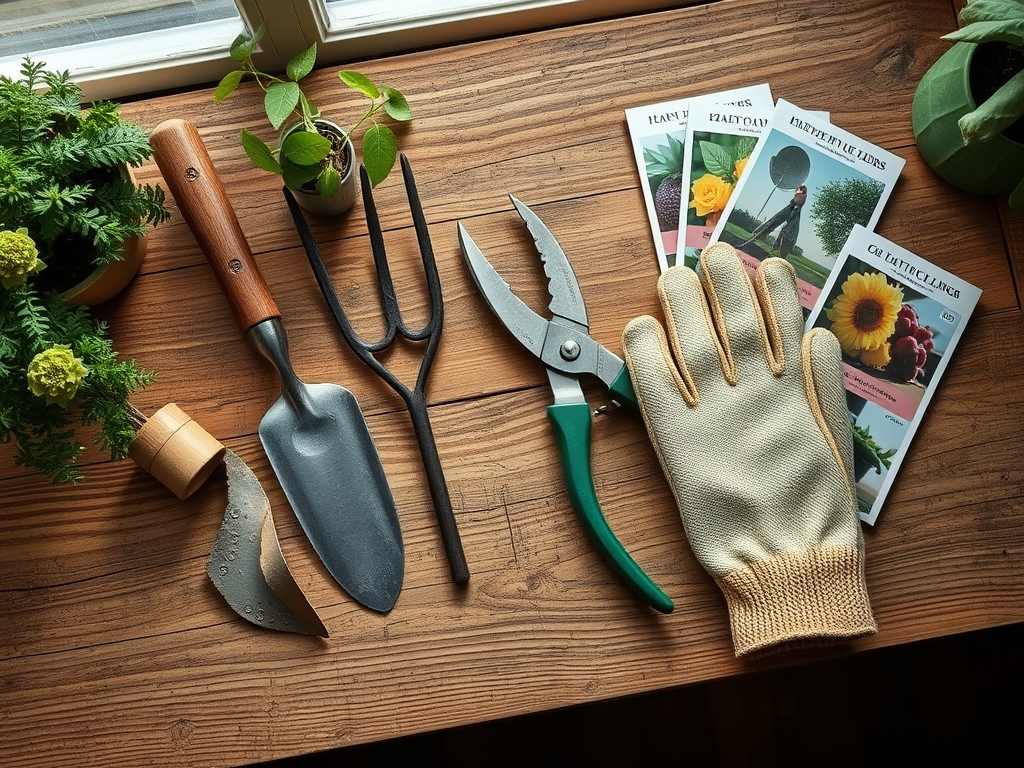
Materials:
Coastal soils are typically sandy with a low Cation Exchange Capacity (CEC), often ranging from 3 to 5 meq/100g. This means the substrate cannot hold onto positively charged ions like potassium or magnesium. You must amend the soil to create a friable loam that retains moisture without becoming anaerobic.
The ideal soil pH for a coastal landscape sits between 6.0 and 7.0. If the pH exceeds 7.5, iron and manganese become chemically unavailable, leading to interveinal chlorosis. Use the following NPK ratios for specific zones:
- Establishment Phase: Use a 10-20-10 starter fertilizer. High phosphorus levels encourage rapid root elongation and ATP production for cellular energy.
- Maintenance Phase: Apply a slow-release 15-5-15 blend. The equal parts nitrogen and potassium support leaf density and osmotic regulation against salt stress.
- Organic Matter: Incorporate composted pine bark or leaf mold to increase the CEC. Avoid raw manure, as it increases the electrical conductivity (EC) of the soil, which compounds salt issues.
Timing:
Coastal gardening is dictated by USDA Hardiness Zones 8 through 11, where the lack of hard freezes allows for a longer growing season but increases the risk of heat-induced senescence. The biological clock of coastal plants is triggered by the photoperiod and soil temperature.
Planting should occur when soil temperatures reach a consistent 65 degrees Fahrenheit. In the southern coastal regions, this window typically opens in late February. In northern coastal zones, wait until the threat of the last frost has passed, usually mid-May. This timing allows the root system to establish before the high-evapotranspiration rates of July and August. Avoid planting during the peak of the Atlantic hurricane season to prevent physical uprooting of young specimens.
Phases:
Sowing and Propagation
Direct sowing in coastal sand is difficult due to rapid moisture loss. Start seeds in a controlled environment using a sterile peat-perlite mix. Maintain a consistent temperature of 72 degrees Fahrenheit to ensure uniform germination.
Pro-Tip: Utilize mycorrhizal inoculants during sowing. This biological symbiosis allows fungal hyphae to extend the root reach, increasing the surface area for water absorption in porous, sandy soils.
Transplanting
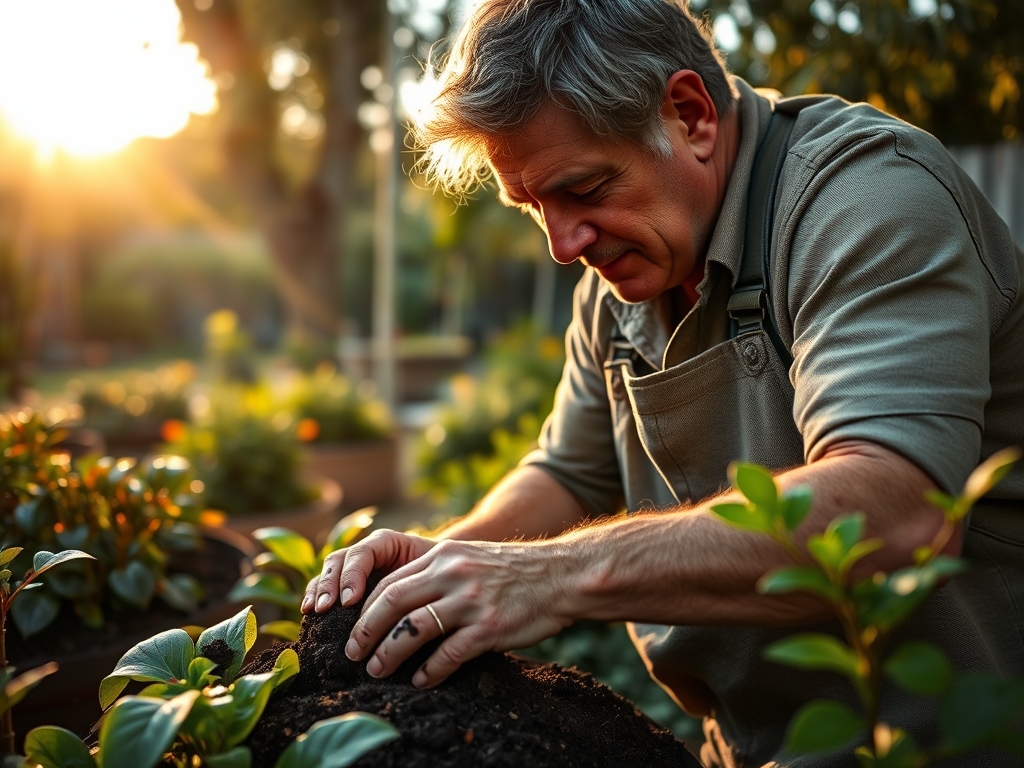
When moving plants to their permanent location, dig a hole twice as wide as the root ball but no deeper. Ensure the root flare remains at the soil surface. Backfill with native soil mixed with 20 percent organic compost.
Pro-Tip: Do not prune the top growth immediately after transplanting. Maintaining apical dominance suppresses lateral bud outgrowth via auxin distribution, allowing the plant to prioritize root development over new foliage.
Establishing the Windbreak
The first line of defense should consist of salt-tolerant shrubs like Myrica cerifera or Ilex vomitoria. Space these plants 3 to 5 feet apart to create a permeable screen. This reduces wind velocity by 50 percent for a distance of up to ten times the height of the barrier.
Pro-Tip: Use a staggered planting pattern. This geometry disrupts laminar airflow and converts it into turbulent air, which significantly reduces the mechanical load on the inner garden plants.
The Clinic:
Physiological Disorders
- Salt Burn (Necrosis): Symptoms include brown, crispy leaf margins. This is caused by sodium ions accumulating in the leaf tissue. Fix-It: Flush the soil with 2 inches of fresh water to leach salts below the root zone.
- Iron Chlorosis: Symptoms include yellowing leaves with green veins. This occurs when high pH locks up micronutrients. Fix-It: Apply chelated iron as a soil drench to bypass the pH lock.
- Etiolation: Symptoms include weak, elongated stems. This is a response to insufficient light or overcrowding. Fix-It: Thin the canopy to increase light penetration to the lower nodes.
Nutrient Deficiencies
- Nitrogen Deficiency: General yellowing of older leaves. Apply a high-nitrogen foliar spray for immediate uptake.
- Potassium Deficiency: Weak stems and poor drought resistance. Increase potassium levels to improve stomatal regulation.
Maintenance:
Precision is required to manage the high evaporation rates of a coastal environment. Deliver 1.5 inches of water per week directly to the drip line. Overhead irrigation should be avoided as it leaves salt deposits on the foliage, which can lead to focal burning under intense UV radiation.
Use a soil moisture meter daily to check the top 6 inches of the substrate. For pruning, use sharp bypass pruners to ensure clean cuts that heal quickly; ragged edges are entry points for pathogens. When removing invasive beach grasses or weeds, a hori-hori knife is essential for extracting deep taproots without disrupting the surrounding soil structure. Apply a 3-inch layer of coarse wood mulch to suppress evaporation and regulate soil temperature.
The Yield:
If your coastal landscape includes salt-tolerant edibles like sea kale or rosemary, harvest during the early morning when turgor pressure is at its peak. This ensures the plant tissues are hydrated and crisp.
Use a sharp blade to make a clean cut at a 45-degree angle to prevent water from pooling on the wound. For woody herbs, never remove more than one-third of the plant at a time to avoid triggering premature senescence. Place harvested greens immediately into a cool, shaded environment to maintain "day-one" freshness and prevent the breakdown of volatile oils.
FAQ:
What are the best plants for high-salt environments?
Select species like Sea Oats (Uniola paniculata), Rugosa Rose, or Wax Myrtle. These plants have evolved physiological mechanisms, such as salt-excreting glands or thick cuticles, to thrive in saline conditions and high-wind zones.
How do I fix sandy soil for a coastal garden?
Incorporate organic matter like composted pine bark or mushroom compost to increase the Cation Exchange Capacity. This improves nutrient retention and water-holding capacity, preventing the rapid leaching common in coarse, sandy substrates.
How often should I water a coastal landscape?
Apply 1.5 inches of water per week at the drip line. Use a soil moisture meter to ensure the root zone remains hydrated. Frequent, shallow watering is inefficient; deep irrigation encourages deeper root systems for better stability.
Can I use beach sand in my garden beds?
No. Beach sand contains high levels of sodium chloride and calcium carbonate from crushed shells, which raises pH to toxic levels. Use washed horticultural sand or sharp sand if you need to improve drainage in heavier soils.