7 Quick Steps to Hang a Hammock
The scent of bruised conifers and damp, friable loam signals a healthy forest floor where the soil cation exchange capacity (CEC) remains high. To execute the steps to hang a hammock, one must first evaluate the structural integrity of the arboreal specimens. Selecting trees with a diameter of at least twelve inches ensures the trunk can withstand the lateral tension without compromising the vascular cambium. Proper installation requires understanding the load-bearing capacity of the secondary xylem to prevent long-term bark necrosis.
Maintaining a healthy rhizosphere is the foundation of any structural garden project. Before securing your suspension system, analyze the substrate surrounding your anchor points. A well-balanced soil profile for supporting large hardwoods typically features a pH between 6.0 and 7.0. If the soil is overly acidic or alkaline, the tree may suffer from nutrient lockout, weakening the wood over time.
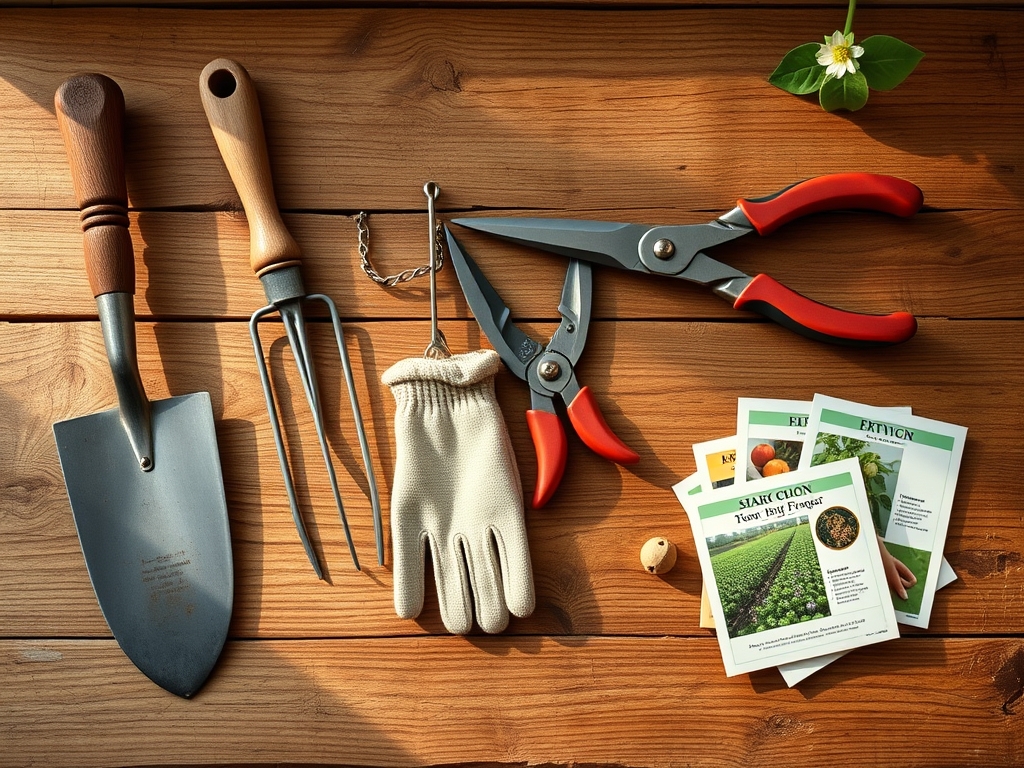
Materials:
The ideal substrate for supporting the heavy-duty root systems of anchor trees is a friable loam with high organic matter. For optimal tree health and structural rigidity, the soil should be amended to meet specific NPK ratios. A 10-10-10 balanced fertilizer applied at the drip line in early spring supports overall vigor, while a 5-10-10 ratio with higher phosphorus levels encourages the deep root penetration necessary for lateral stability.
Ensure you have two polyester webbing straps at least one inch wide to distribute pressure across the cork cambium. You will also need two high-strength steel carabiners rated for at least 2,000 pounds of force. Use a soil moisture meter to ensure the ground is not oversaturated; waterlogged soils reduce the friction-hold of the root plate, increasing the risk of tree failure under load.
Timing:
Timing your installation involves monitoring the biological clock of your chosen trees. In Hardiness Zones 4 through 7, the ideal window for heavy activity around trees is during the dormant season or early spring before the flush of new growth. Avoid high-stress activities during the peak of summer heat when turgor pressure is low and the tree is focused on transpiration.
The transition from vegetative growth to reproductive stages (flowering and fruiting) requires massive amounts of carbohydrates. Avoid hanging equipment during the "bud break" phase when the bark is most susceptible to slipping and mechanical damage. Always check your local frost-date windows; frozen ground provides excellent stability for the root zone, but brittle, frozen branches pose a safety hazard from above.
Phases:

Sowing the Plan
Identify two healthy trees spaced 12 to 15 feet apart. Observe the canopy for signs of senescence or deadwood. The trees must be living specimens with high turgor pressure to ensure the wood fibers are flexible rather than brittle. Measure the distance precisely using a standard tape measure to ensure the hammock hang angle sits at approximately 30 degrees.
Pro-Tip: Understanding thigmomorphogenesis is vital. Trees respond to mechanical stress by thickening their trunks; however, sudden, acute pressure from narrow ropes can cause "girdling," which halts the flow of nutrients through the phloem. Use wide straps to mitigate this biological risk.
Transplanting Your Position
Position your straps approximately six feet up the trunk. Wrap the webbing around the tree and pass the end through the loop. This method relies on friction against the rhytidome (outer bark) rather than invasive hardware. Ensure the straps are level to prevent uneven weight distribution that could lead to soil compaction on one side of the rhizosphere.
Pro-Tip: Avoid placing straps on young saplings. High levels of auxin at the apical meristem prioritize vertical growth over lateral strength. Younger trees lack the lignification necessary to support a static load without permanent deformation of the leader.
Establishing the Hang
Clip your carabiners to the hammock and the straps. Adjust the tension until the lowest point of the hammock sits 18 inches above the ground when occupied. This height accounts for the elasticity of the nylon fibers and the slight compression of the tree's bark. Test the setup with a weighted object before committing your full body weight.
Pro-Tip: Mycorrhizal symbiosis in the soil can be disrupted by heavy foot traffic between the trees. To protect the fungal networks that assist in nutrient uptake, place a layer of wood mulch or a temporary boardwalk in the high-traffic "swing zone" to prevent soil compaction.
The Clinic:
Physiological disorders in anchor trees can compromise safety. Use the following diagnostic guide to ensure your site is secure.
Symptom: Interveinal chlorosis (yellowing leaves with green veins).
Solution: This indicates a micronutrient deficiency, often iron or manganese. Check soil pH; if it is above 7.5, the tree cannot uptake these minerals. Apply chelated iron to the root zone.
Symptom: Bark sloughing or deep vertical cracks.
Solution: This suggests mechanical injury or "sunscald." Do not hang a hammock on these specimens, as the structural integrity of the sapwood is likely compromised.
Symptom: Leaf wilt despite adequate soil moisture.
Solution: This may indicate root rot or Phytophthora. Use a soil moisture meter to confirm. If the soil is consistently above 80 percent saturation, the roots are suffocating from lack of oxygen.
Fix-It for Nitrogen Chlorosis: If the entire leaf turns pale green or yellow, the tree lacks nitrogen for chlorophyll production. Apply a quick-release 20-0-0 fertilizer at the drip line to restore vigor before the next season.
Maintenance:
A professional gardener maintains the site with the same precision as the plant itself. Ensure the trees receive 1.5 inches of water per week at the drip line during dry spells to maintain cellular turgor. Use bypass pruners to remove any low-hanging "sucker" growth or water sprouts that interfere with the hammock zone.
Inspect the bark every two weeks for signs of compression. If you notice a depression in the bark, relocate the straps two inches up or down to allow the tissue to recover. Use a hori-hori knife to remove invasive vines like English Ivy or Oriental Bittersweet from the trunk, as these competitors can trap moisture against the bark and promote fungal pathogens.
The Yield:
While a hammock does not produce a caloric yield, the "harvest" is the preservation of the tree's health for future seasons. After each use, remove the straps to prevent long-term compression of the vascular tissues. This post-use routine ensures the tree remains in a state of "day-one" freshness, preventing the permanent indentation that leads to secondary infections by wood-boring insects.
FAQ:
How far apart should trees be for a hammock?
Trees should be spaced 12 to 15 feet apart. This distance allows for a 30-degree hang angle, which optimizes the physics of the load and prevents excessive lateral force on the tree trunks and the hammock fabric.
Will hanging a hammock kill my tree?
It will not kill the tree if you use wide webbing straps. Ropes or thin cords can cut into the phloem and cambium layers, effectively girdling the tree and stopping the transport of photosynthates from the leaves to the roots.
What is the best height for hammock straps?
Secure straps approximately six feet high on the trunk. This height typically results in the hammock sitting 18 inches off the ground once the fabric stretches under a load, providing an ergonomic and safe distance from the soil.
Can I hang a hammock on a dead tree?
Never hang a hammock on a dead or decaying tree. The absence of sap flow and cellular turgor makes the wood brittle. Dead trees lack the structural resilience of the secondary xylem and are prone to sudden catastrophic failure.