10 Relaxing Ways How to Build a Pergola Swing
The sharp scent of crushed pine needles and the cool humidity of the rhizosphere signal a prime environment for structural integration. When you learn how to build a pergola swing, you are not merely assembling timber; you are engineering a permanent fixture that must withstand the turgor pressure of surrounding vegetation and the sheer force of gravity. Success requires a deep understanding of soil mechanics and wood density. A properly seated post in compacted, well-drained soil ensures the structure remains level as the surrounding flora undergoes seasonal senescence. This project demands a technical approach to load-bearing capacities and environmental resistance. By following these ten relaxing yet rigorous steps, you will create a stable, ergonomic retreat that integrates seamlessly with your garden's biological rhythm.
Materials:
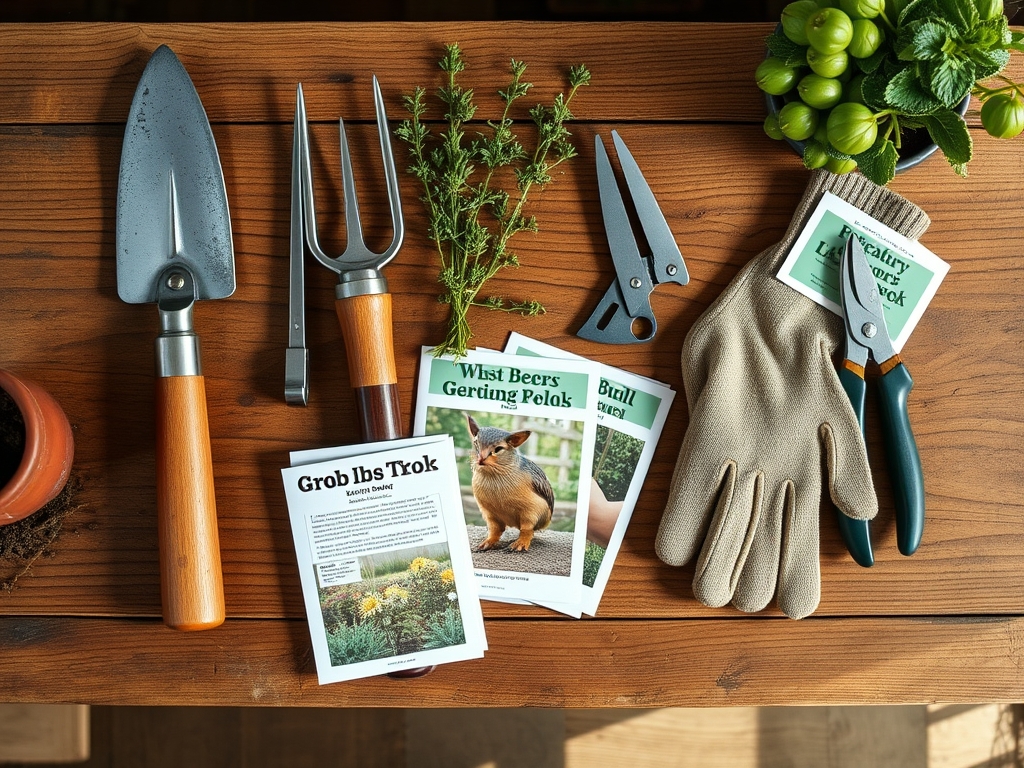
Before breaking ground, analyze the substrate. The ideal foundation sits in **friable loam** with a **pH between 6.0 and 7.0**. This acidity range prevents the rapid corrosion of galvanized fasteners often caused by highly alkaline soils. If your soil is heavy clay, the Cation Exchange Capacity (CEC) will be high, meaning it retains water and may shift during freeze-thaw cycles. You will need **four 6×6 pressure-treated posts (12 feet long)**, **two 2×10 headers**, and **2×6 rafters**. For the nutrient profile of the surrounding planting zone, maintain an **NPK ratio of 10-10-10** to support the root systems of climbing vines like Wisteria or Clematis that will eventually scale the structure. Use **3/8-inch galvanized carriage bolts** and **heavy-duty porch swing hangers** rated for at least **500 pounds**.
Timing:
Construction should align with the dormant season of your specific Hardiness Zone. In Zones 5 through 7, the window between the first hard frost and the spring thaw is optimal for post-setting, as it minimizes compaction damage to the surrounding soil structure. Understanding the biological clock of your garden is essential. If you build during the peak vegetative stage, heavy foot traffic will cause soil compaction, reducing the oxygen available to the roots of nearby perennials. Aim for a period when the soil temperature is below 45 degrees Fahrenheit. This ensures that the microbial activity in the rhizosphere is low, preventing the spread of soil-borne pathogens while you disturb the earth for the footings.
Phases:

Sowing the Foundation
Excavate four holes to a depth of 36 inches, or at least 6 inches below the frost line in your region. This depth prevents "frost heave," a physical displacement caused by the expansion of freezing interstitial water in the soil. Fill the bottom 6 inches with crushed stone to facilitate drainage and prevent anaerobic conditions at the base of the post.
Pro-Tip: Proper drainage prevents the buildup of fungal pathogens. Wood rot is often caused by the same fungi that thrive in waterlogged, low-oxygen environments, which can eventually spread to the root systems of your ornamental plants through mycorrhizal networks.
Transplanting the Structure
Lift the posts into position using a level to ensure vertical alignment. Secure them with temporary bracing. Pour high-strength concrete into the holes, sloping the top away from the wood to shed water. Allow the concrete to cure for 72 hours before applying any lateral load. This curing time is critical for the chemical bonding process.
Pro-Tip: Use a soil moisture meter to ensure the surrounding earth is not overly saturated during the pour. Excess moisture can dilute the concrete mix, compromising the structural integrity and the cation exchange capacity of the adjacent planting bed.
Establishing the Canopy
Install the headers and rafters. Use a hori-hori knife to clear any encroaching root systems or weeds from the base of the posts. Attach the swing hangers to the center of the 2×10 headers, ensuring they are spaced at 48 to 60 inches apart depending on your swing width. This ensures the weight is distributed evenly across the grain of the timber.
Pro-Tip: When planting vines to cover the pergola, prune the lead shoots to encourage lateral branching. This is a result of auxin suppression; by removing the apical meristem, you redirect the plant's growth hormones to the side buds, creating a fuller, more shaded canopy.
The Clinic:
Observe the structure and surrounding plants for physiological disorders. If the wood shows black spotting, it may be a sign of fungal colonization due to high humidity and poor airflow.
- Symptom: Yellowing leaves on vines climbing the pergola.
Solution: Check for Nitrogen chlorosis. Apply a water-soluble fertilizer with a high N-value (20-10-10) to restore chlorophyll production. - Symptom: Wood checking or large cracks in the posts.
Solution: This is often caused by rapid desiccation. Apply a UV-rated sealant to slow the rate of moisture loss and maintain structural turgor. - Symptom: Stunted growth of plants at the base.
Solution: Soil compaction. Use a garden fork to aerate the soil around the posts, improving oxygen diffusion to the rhizosphere.
Maintenance:
A pergola swing requires consistent monitoring to ensure longevity. Check the tension of the bolts every six months. For the surrounding flora, provide 1.5 inches of water per week at the drip line to maintain cellular turgor. Use bypass pruners to remove any dead or senescent wood from climbing plants, which prevents the harbor of pests. Every spring, check the soil pH near the posts; if the concrete has leached lime, the pH may rise, requiring an application of elemental sulfur to bring it back to the 6.5 range. Clean the wood surfaces with a mild oxygen bleach solution to kill algal spores without damaging the surrounding soil chemistry.
The Yield:
The yield of a pergola swing is measured in the health of the ecosystem it supports and the ergonomic comfort it provides. If you have integrated fruiting vines like grapes, harvest when the Brix level (sugar content) reaches its peak, typically in late summer. Use sharp shears to cut the clusters, leaving a small portion of the stem attached to prevent rapid moisture loss and maintain "day-one" freshness. For floral yields, cut during the early morning when turgor pressure is highest, ensuring the blooms last longer in a vase.
FAQ:
What is the best wood for a pergola swing?
Western Red Cedar or Pressure-Treated Pine are ideal. Cedar contains natural oils that resist decay and insects. Pressure-treated lumber is infused with copper-based fungicides to prevent rot in high-moisture environments and soil contact.
How deep should the posts be buried?
Posts must be buried at least 36 inches deep. In colder climates, they must extend 6 inches below the frost line to prevent shifting caused by the expansion of frozen soil moisture.
Can I grow heavy vines on the pergola?
Yes, but the structure must be engineered for the weight. Mature Wisteria can weigh several hundred pounds. Ensure your headers are 2×10 or larger and use galvanized bolts rather than screws for all primary load-bearing joints.
How do I prevent the swing from squeaking?
Lubricate the metal hangers with a silicone-based grease. Avoid petroleum products if you have sensitive plants nearby, as runoff can interfere with the soil's hydrophobic properties and damage the delicate root hairs in the rhizosphere.