9 Pro Tips How to Maintain a Wood Chipper
The smell of damp earth and the iron-rich scent of fresh wood chips signal a productive day in the orchard. Maintaining turgor pressure in your specimen trees requires consistent mulching; this process depends entirely on the mechanical efficiency of your equipment. Learning how to maintain a wood chipper is not merely about mechanical longevity. It is about ensuring the structural integrity of the organic matter you introduce to the rhizosphere. A dull blade tears fibers rather than slicing them; this creates jagged edges that invite fungal pathogens into your mulch piles. Proper maintenance ensures that the carbon-to-nitrogen ratio of your output remains optimal for soil microbes.
Materials:
To support the biological health of your garden through chipping, you must manage the substrate. The ideal environment for wood chip decomposition is a **friable loam** with a **pH between 6.0 and 7.0**. When processing material, monitor the **Cation Exchange Capacity (CEC)** of the receiving soil. High-carbon wood chips can temporarily lock up nitrogen. To counteract this, maintain a supply of high-nitrogen fertilizer with an **NPK ratio of 21-0-0 (Ammonium Sulfate)**. This provides the necessary nitrogen to fuel the bacteria that break down the lignin. You will also need **ISO Grade 46 or 68 hydraulic oil** and **lithium-based grease** for the mechanical components to ensure the machine operates at peak RPMs.
Timing:
In Hardiness Zones 5 through 8, the primary window for heavy chipping occurs during the dormant season, typically between the first hard frost and the spring thaw. This timing aligns with the "Biological Clock" of deciduous species. Pruning during the transition from senescence to the vegetative stage allows for the collection of wood with lower moisture content. Chipping during late winter prevents the spread of active pathogens that thrive in warmer temperatures. Ensure all maintenance is completed before the sap begins to rise, as high-moisture wood increases the load on the chipper's drive belts and reduces the efficiency of the cutting disc.
Phases:
Sowing the Maintenance Routine
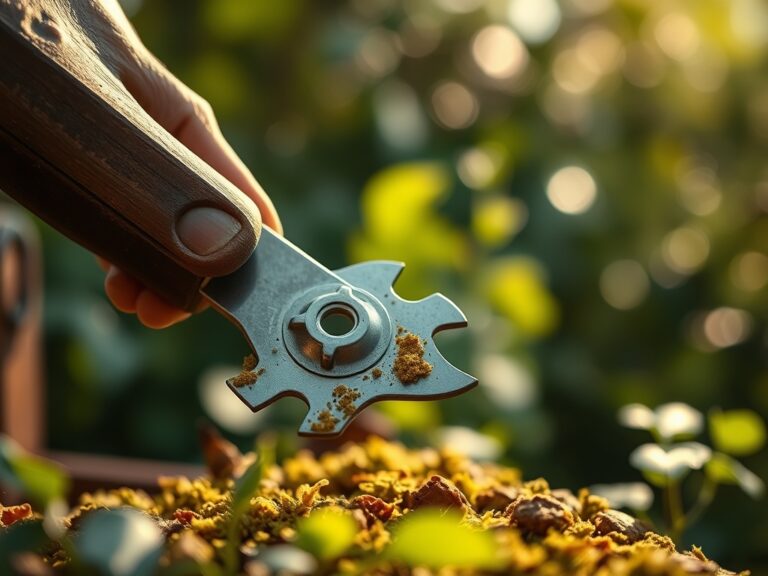
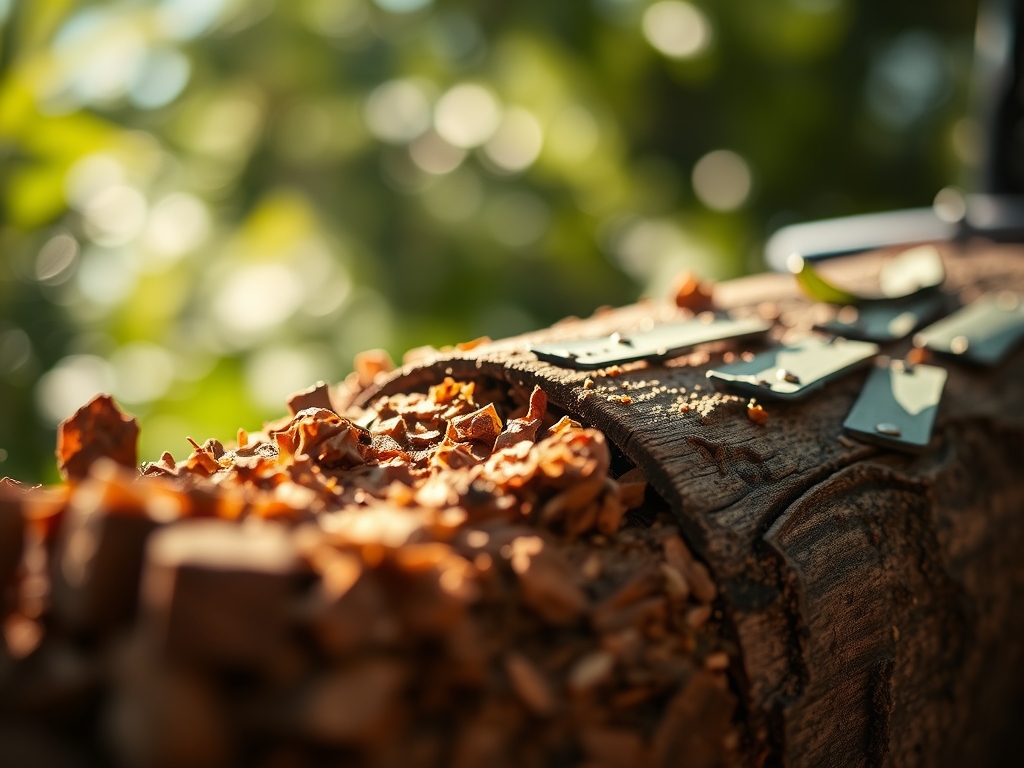
Begin by inspecting the knives for nicks or dullness. A sharp blade produces a clean cut that preserves the cellular structure of the wood. This is critical for the subsequent decomposition process in the soil.
Pro-Tip: Sharp blades reduce mechanical heat. Excessive heat during the chipping process can cause thermal degradation of the wood fibers, which inhibits mycorrhizal symbiosis once the chips are applied to the soil.
Transplanting Knowledge to the Engine
Change the engine oil every 50 hours of operation. Use a high-detergent oil to prevent carbon buildup in the combustion chamber. This ensures the engine maintains the torque necessary to process hardwood species like Oak or Hickory without stalling.
Pro-Tip: Consistent engine RPMs prevent "slugging" the discharge chute. This maintains a steady flow of material, preventing the buildup of anaerobic pockets in your mulch piles which can lead to root rot if applied too early.
Establishing a Clean System
Clear the cooling fins and air filters after every use. Dust and organic debris can cause the engine to overheat, leading to premature metal fatigue in the crankshaft.
Pro-Tip: Proper airflow prevents the engine from running lean. A lean-running engine increases exhaust temperatures, which can negatively impact the photoperiod sensitivity of nearby plants if hot exhaust is directed toward young foliage for extended periods.
The Clinic:
Symptom: The chipper produces long, stringy fibers instead of uniform chips.
Solution: Check the anvil-to-knife clearance. It should typically be set to 0.010 to 0.030 inches. A wide gap tears the wood, damaging the vascular bundles and slowing the rate of nitrogen mineralization in the soil.
Symptom: Excessive vibration during operation.
Solution: Inspect the cutting disc for balance. Even a 2-gram weight variance can cause catastrophic bearing failure. This vibration can also loosen bolts, leading to safety hazards.
Symptom: Nitrogen chlorosis in plants mulched with fresh chips.
Fix-It: This is a nutrient deficiency, not a chipper failure. Apply a 10-10-10 NPK fertilizer at a rate of 1 pound per 100 square feet before spreading fresh chips. This offsets the "nitrogen draw" caused by the high carbon content of the fresh wood.
Maintenance:
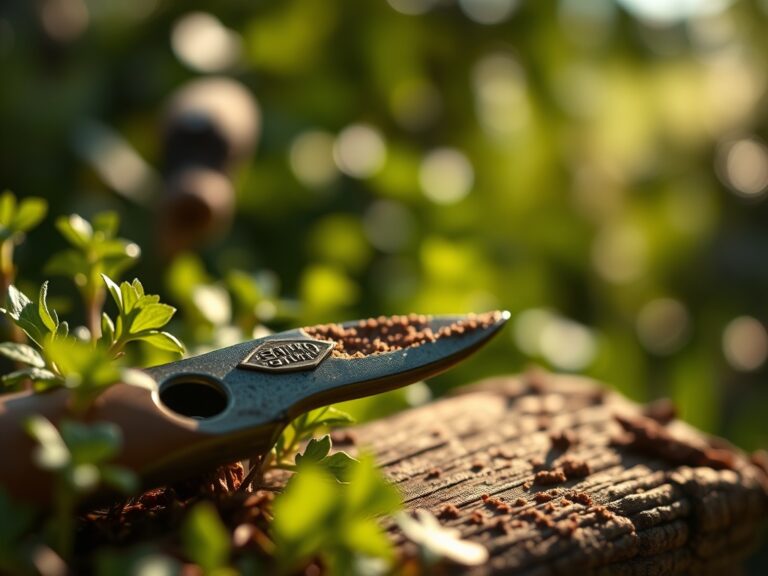
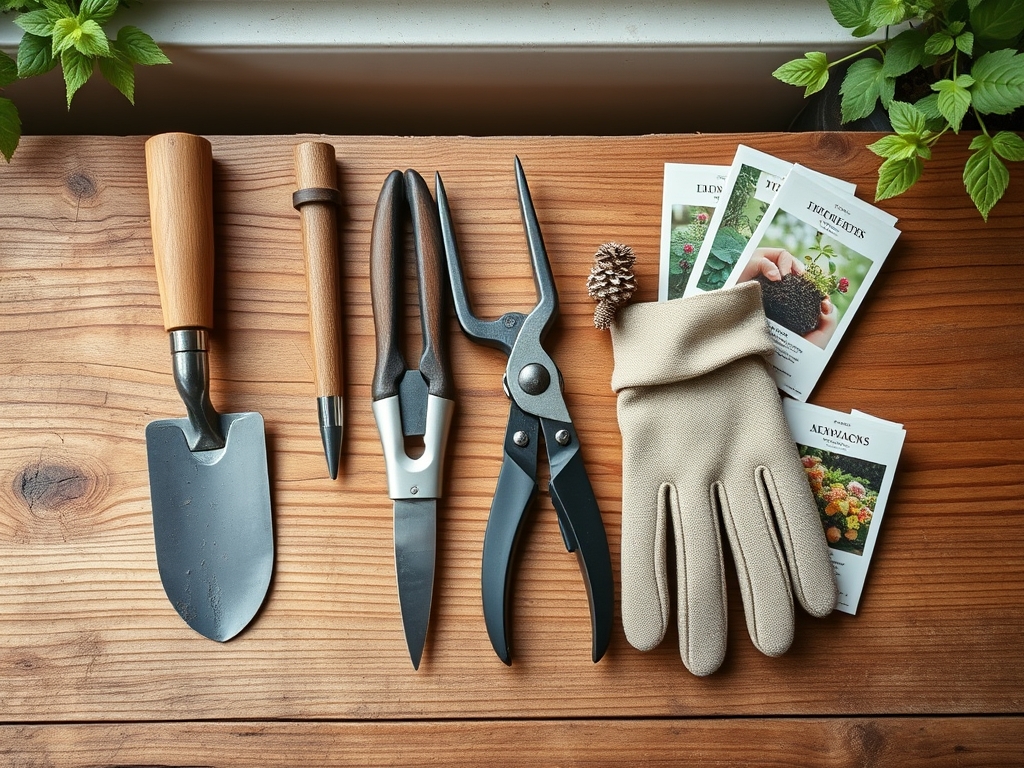
Precision is the hallmark of a master horticulturist. Use a soil moisture meter to ensure the ground beneath your trees remains at 60 percent field capacity after applying chips. Apply exactly 1.5 inches of water per week at the drip line to facilitate the movement of nutrients from the decomposing chips into the rhizosphere. When clearing debris around the chipper, use a hori-hori knife to weed the immediate area, ensuring no invasive seeds are processed into your clean mulch. Use bypass pruners to trim branches to a manageable size (less than 3 inches in diameter for residential units) to prevent mechanical shock to the chipper's drive train.
The Yield:
The "yield" of a well-maintained chipper is high-quality, uniform mulch. For the best results, harvest your wood chips when the parent tree is in deep dormancy. This ensures the lowest possible sugar content in the wood, which prevents the growth of "artillery fungi" (Sphaerobolus stellatus). To maintain "day-one" freshness and biological activity, turn your chip piles every 14 days to maintain aerobic conditions. This prevents the accumulation of acetic acid, which can lower the soil pH below the 5.5 threshold, potentially causing aluminum toxicity in sensitive species.
FAQ:
How often should I sharpen the chipper blades?
Sharpen blades every 10 to 20 hours of use. Hardwoods like oak dull blades faster than softwoods. Sharp blades ensure clean cuts, which promote faster fungal colonization once the chips are applied as a soil amendment.
What is the best way to clean the discharge chute?
Use a long-handled brush or compressed air. Never use your hands. Ensure the machine is in "lock-out" mode. Removing resin buildup prevents clogs and maintains the velocity required to broadcast chips evenly across the rhizosphere.
Can I chip wood that has fungal growth?
Avoid chipping wood with visible fungal conks. Processing diseased wood can aerosolize spores and spread pathogens across your landscape. Only chip healthy or dormant wood to ensure the biological safety of your friable loam.
Why is my chipper smoking during use?
This usually indicates a slipping drive belt or a dull blade creating friction. Stop the machine immediately. Check the belt tension; it should have no more than 0.5 inches of deflection under pressure to ensure efficient power transfer.