10 Pro Tips How to Care for African Violets
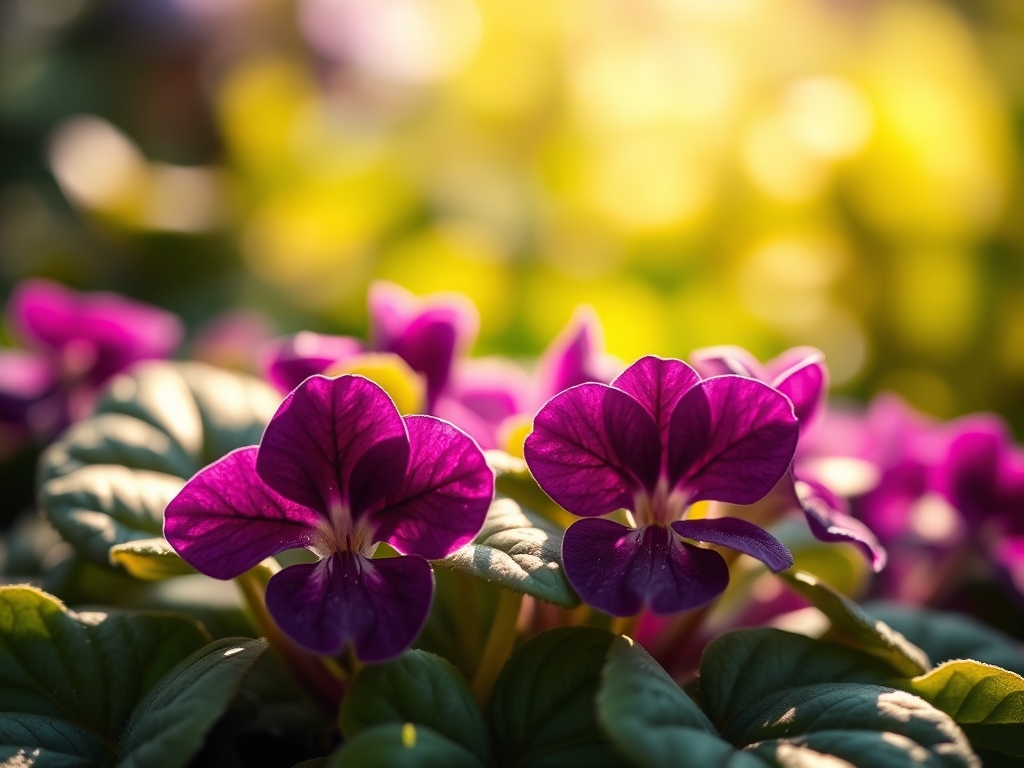
Success in the rhizosphere of a Saintpaulia ionantha begins with the tactile snap of a leaf under high turgor pressure. This crisp resistance indicates a cellular structure fully hydrated and metabolically active. Mastering how to care for african violets requires moving beyond casual observation into the realm of precise environmental control. These plants are sensitive to the slightest shift in atmospheric moisture and mineral concentration. A healthy specimen exhibits a symmetrical rosette of dark green leaves with dense trichomes that trap humidity. When you handle the foliage, the slight resistance of the petioles reveals the plant's internal hydraulic health. To maintain this state, the grower must balance light intensity, soil chemistry, and irrigation frequency with surgical accuracy. This guide provides the technical framework necessary to transition from basic survival to professional-grade cultivation.
Materials:

The ideal substrate for Saintpaulia is a **friable loam** substitute that prioritizes aeration over nutrient density. Use a soilless mix consisting of **50 percent peat moss, 25 percent perlite, and 25 percent vermiculite**. This composition ensures a high **Cation Exchange Capacity (CEC)** while preventing anaerobic conditions around the root hair zone.
The target soil pH must remain between 5.8 and 6.2. If the pH climbs above 6.5, essential micronutrients like iron and manganese become chemically locked, leading to interveinal chlorosis. For fertilization, utilize a water-soluble NPK ratio of 14-12-14 or 20-20-20. Ensure the nitrogen source is urea-free; African Violets lack the specific urease enzymes required to break down urea efficiently in indoor low-light conditions.
Timing:
African Violets are typically grown indoors, making them independent of traditional frost dates; however, they remain sensitive to seasonal light shifts. They thrive in USDA Hardiness Zones 11 through 12 if kept outdoors, but indoor temperatures must be stabilized between 65 and 75 degrees Fahrenheit.
The biological clock of the plant transitions from vegetative growth to the reproductive stage based on the photoperiod. To induce flowering, the plant requires 12 to 14 hours of bright, indirect light followed by at least 8 hours of total darkness. This dark period is critical for the synthesis of florigen, the signal molecule that triggers floral primordia development. Without this rhythmic oscillation, the plant will remain in a perpetual vegetative state.
Phases:

Sowing and Propagation
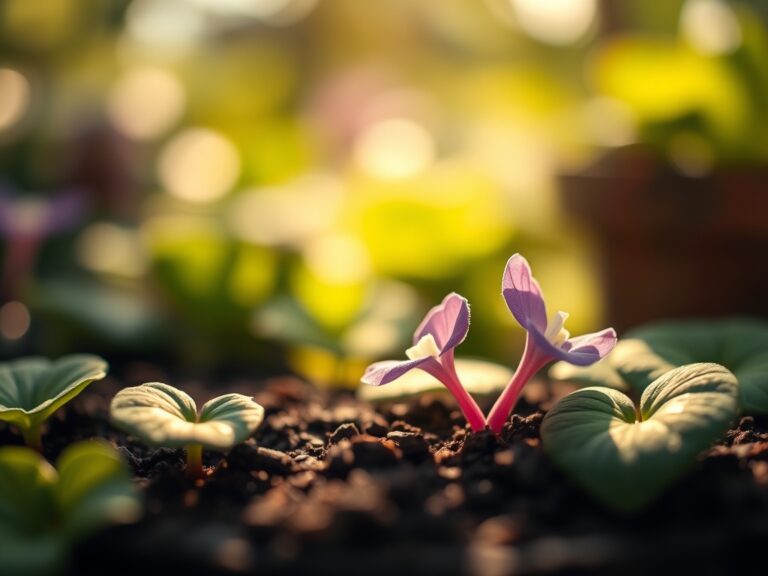
Propagation is most effective via leaf cuttings. Select a mature, healthy leaf and sever the petiole at a 45-degree angle using a sterilized blade. Insert the petiole into a moist starter medium at a depth of 0.5 inches.
Pro-Tip: Maintaining high humidity during this phase prevents desiccation while the leaf lacks a root system. The biological why involves auxin suppression; by wounding the petiole, you trigger a localized concentration of auxins at the base, which stimulates the differentiation of undifferentiated parenchyma cells into adventitious roots.
Transplanting
Transplant young plantlets once they reach approximately one-third the size of the mother leaf. Use a 3-inch plastic pot with ample drainage. African Violets prefer to be slightly root-bound to encourage reproductive growth over foliage expansion.
Pro-Tip: Do not bury the crown. The crown must sit exactly at the soil surface to prevent crown rot (Phytophthora). The biological why relates to gas exchange; the crown is a high-activity metabolic zone that requires direct access to atmospheric oxygen to prevent cellular suffocation and fungal colonization.
Establishing
Once transplanted, the plant enters an establishment phase where it builds its root architecture. Monitor the soil moisture meter daily. The roots must never sit in standing water, as this leads to root hair senescence.
Pro-Tip: Rotate the pot 90 degrees every week. The biological why is phototropism. Plants move toward light sources via the elongation of cells on the shaded side of the stem. Regular rotation ensures even distribution of growth hormones, maintaining the desired symmetrical rosette shape.
The Clinic:
Physiological disorders in Saintpaulia often manifest through foliage changes.
- Symptom: Yellowing of lower leaves (Chlorosis).
Solution: This is often a Nitrogen deficiency. Apply a balanced 20-20-20 urea-free fertilizer at quarter strength. - Symptom: Brown, brittle leaf edges.
Solution: Low humidity or potassium deficiency. Increase ambient humidity to 50 percent and check the water for high salt content. - Symptom: Ring spots or bleached patches on leaves.
Solution: Cold water damage. Always use water that is room temperature (approx. 70 degrees Fahrenheit). Cold water shocks the chloroplasts, causing permanent cellular collapse. - Symptom: Tight, stunted center growth with gray fuzz.
Solution: This indicates Cyclamen Mites or Botrytis blight. Isolate the plant immediately and improve air circulation to reduce fungal spore germination.
Maintenance:
Precision maintenance is the difference between a surviving plant and a show-quality specimen. Use a soil moisture meter to ensure the substrate stays at a consistent "moist but not saturated" level. When the meter reads in the lower third of the "moist" zone, apply water directly to the soil or via a sub-irrigation reservoir.
Avoid getting water on the foliage. If water sits on the trichomes, it can act as a magnifying glass for sunlight, causing necrotic burns. Use bypass pruners or a sharp hori-hori knife to remove spent blooms and any leaves showing signs of senescence. Removing old growth redirects the plant's energy toward the development of new floral meristems. Every 6 months, flush the pot with clear, distilled water to leach out accumulated fertilizer salts that can burn delicate root tips.
The Yield:
While African Violets are not edible, their "yield" is the sustained production of flowers. To maximize bloom longevity, deadhead spent flowers immediately by pinching the pedicel at its base. This prevents the plant from diverting energy into seed production.
For the best "day-one" freshness in a display plant, keep the specimen in a location with consistent air movement but away from direct HVAC vents. The movement of air strengthens the cell walls through a process called thigmomorphogenesis, resulting in a sturdier plant that can support heavy clusters of blooms without drooping.
FAQ:
How often should I water my African Violet?
Water when the top 0.5 inches of soil feels dry to the touch or the moisture meter drops below the midpoint. Use room-temperature water to avoid shocking the root system. Never allow the plant to sit in standing water for over 30 minutes.
What is the best light for African Violets?
Provide 10,000 to 12,000 lux of light. An east-facing window is ideal. If using LED grow lights, keep them 8 to 12 inches above the foliage for 12 to 14 hours daily to ensure proper photosynthesis and blooming.
Why is my African Violet not blooming?
The most common cause is insufficient light or a lack of a dark period. Ensure the plant receives 8 hours of total darkness to trigger florigen production. Also, verify that you are using a phosphorus-rich fertilizer to support reproductive growth.
What pot size is best for African Violets?
Follow the one-third rule. The diameter of the pot should be exactly one-third the diameter of the plant's leaf span. Over-potting leads to excess soil moisture and increases the risk of root rot and delayed flowering.