7 Best Hypoestes Phyllostachya Care Secrets
The smell of damp, acidified peat moss and the tactile resistance of a leaf with high turgor pressure define the baseline for success with the Polka Dot Plant. Achieving the best hypoestes phyllostachya care requires more than casual watering; it demands a rigorous understanding of tropical physiology and cellular hydration. When the intracellular pressure is optimal, the foliage remains rigid and the maculated patterns of pink or white against chlorophyll-dense green appear sharp. This species, native to Madagascar, operates on a high-metabolic clock that penalizes neglect with immediate wilting.
Precision in the rhizosphere is the primary differentiator between a leggy specimen and a dense, bushy mound. Most failures stem from a lack of understanding regarding transpiration rates and light saturation points. To maintain the integrity of the foliage, the cultivator must manage the micro-climate with the discipline of a laboratory technician. This guide bypasses the superficial advice of hobbyist blogs to provide a technical framework for maintaining Hypoestes phyllostachya at peak biological performance.
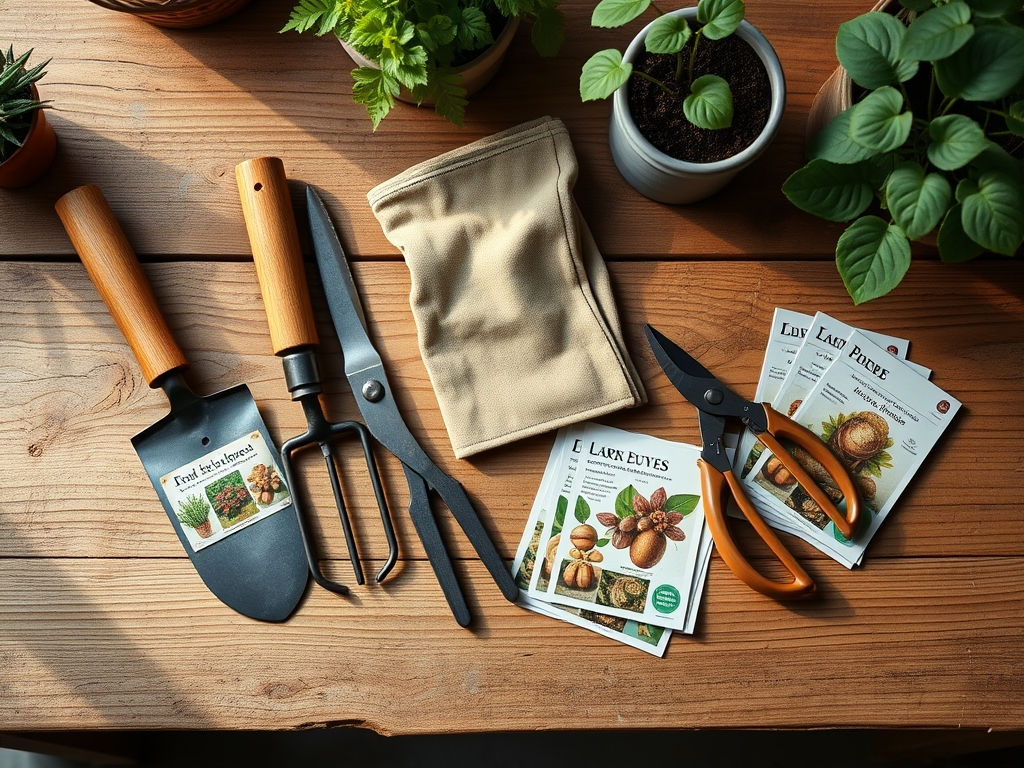
Materials:
The substrate must be a friable loam with a high Cation Exchange Capacity (CEC) to facilitate nutrient uptake. Hypoestes phyllostachya thrives in a soil pH range of 6.1 to 7.3. If the pH drops below 6.0, phosphorus availability decreases, leading to stunted root development.
For the nutrient profile, utilize a water-soluble fertilizer with an NPK ratio of 10-10-10 or 20-20-20. During the active vegetative state, the plant requires a steady supply of nitrogen to maintain its variegated pigments. The physical composition of the potting medium should consist of:
- 50% Canadian Sphagnum Peat Moss for moisture retention.
- 30% Perlite to ensure a minimum of 15% air porosity.
- 20% Vermiculite to enhance the CEC and provide magnesium.
Timing:
This species is classified for USDA Hardiness Zones 10 through 11. In these regions, it functions as a herbaceous perennial. In cooler zones, it is treated as an annual or a strictly indoor specimen. The critical temperature threshold is 60 degrees Fahrenheit (15.5 degrees Celsius). Exposure to temperatures below 50 degrees Fahrenheit induces physiological stress and potential vascular collapse.
The biological clock of Hypoestes is governed by the photoperiod. As the plant reaches the end of its vegetative cycle, usually in late summer or early autumn, it transitions to a reproductive stage. This is marked by the elongation of stems and the production of small, axillary lilac flowers. To prolong the vegetative phase and maintain the aesthetic value of the foliage, the cultivator must intervene before the plant reaches full senescence.
Phases:

Sowing and Propagation
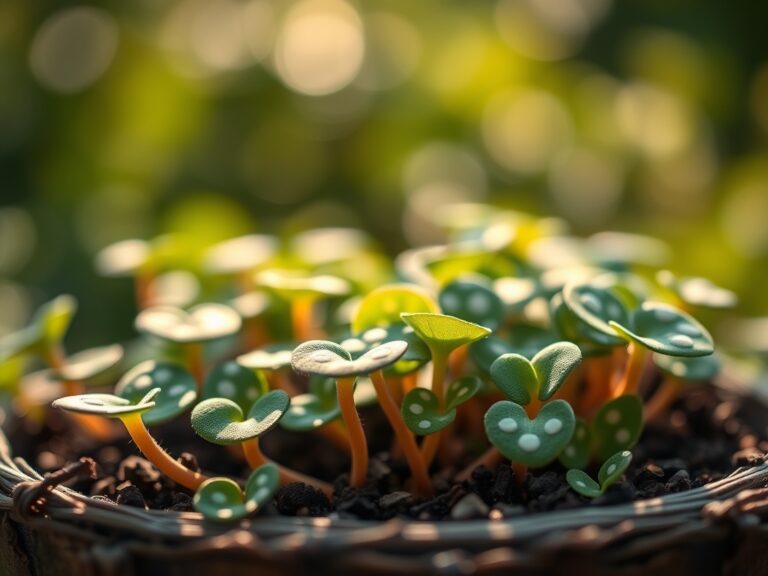
Propagation is most effective via stem cuttings or seed germination at a constant temperature of 70 to 75 degrees Fahrenheit. Seeds require light for germination; do not bury them deep within the substrate. Maintain 90% relative humidity during the first 14 days of the propagation cycle to prevent desiccation of the delicate tissues.
Pro-Tip: Utilize a rooting hormone containing Indole-3-butyric acid (IBA). This chemical signal triggers auxin-induced cell division at the node, forcing the plant to prioritize root initiation over vertical growth.
Transplanting
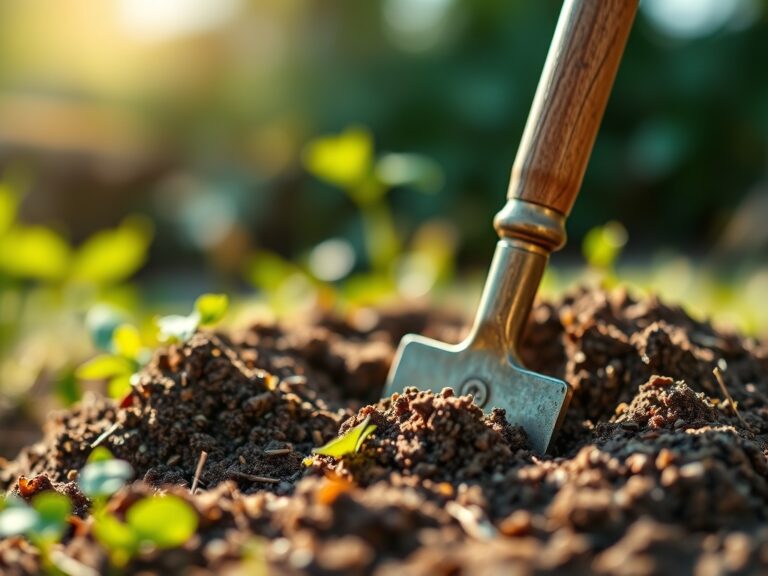
Transplant when the root ball has occupied 80% of the current container volume. Use a hori-hori knife to gently loosen any circling roots, which prevents the plant from becoming root-bound. The new container should only be 2 inches larger in diameter than the previous one to avoid "perched water tables" that lead to anaerobic conditions.
Pro-Tip: Incorporate an endomycorrhizal fungal inoculant during transplanting. This creates a mycorrhizal symbiosis that effectively increases the surface area of the root system by up to 100 times, enhancing phosphorus and micronutrient absorption.
Establishing and Growth Regulation
Once established, the plant requires a light intensity of 1,500 to 2,500 foot-candles. If light levels are too low, the plant will increase its chlorophyll production to compensate, causing the colorful spots to vanish. If light levels are too high, the leaves will curl to reduce the surface area exposed to solar radiation.
Pro-Tip: Practice regular "pinching" of the terminal buds. This process breaks apical dominance by suppressing the flow of auxins down the stem. This redirects energy to lateral buds, resulting in a bushier, more compact growth habit.
The Clinic:
Physiological disorders in Hypoestes are usually visible through the leaf morphology. Monitoring these signs allows for rapid correction of the environment.
- Symptom: Interveinal Chlorosis (Yellowing between green veins).
- Solution: This indicates a Magnesium deficiency or a pH imbalance blocking iron uptake. Apply a 0.5% solution of Epsom salts (Magnesium Sulfate) or adjust soil pH to 6.5.
- Symptom: Marginal Leaf Burn (Crispy brown edges).
- Solution: This is typically caused by low humidity or "salt burn" from excess fertilizer. Flush the substrate with distilled water equal to three times the pot volume to leach accumulated salts.
- Symptom: Epinasty (Downward curling of leaves).
- Solution: Often a result of over-saturation leading to root hypoxia. Ensure the container has adequate drainage and reduce irrigation frequency until the top 1 inch of soil is dry.
- Symptom: Loss of Variegation.
- Solution: Increase light exposure. The plant is producing excess chlorophyll to survive in a low-energy environment; move it to a location with indirect, bright light.
Maintenance:
Precision irrigation is the cornerstone of maintenance. Hypoestes phyllostachya requires approximately 1.5 inches of water per week, delivered directly to the soil at the drip line. Use a soil moisture meter to verify that the root zone remains at a "Moist" rating (4-7 on most scales) without reaching "Saturated" (8-10).
Pruning should be performed with sterilized bypass pruners to ensure clean vascular cuts. Remove the top two sets of leaves on every stem every four to six weeks during the growing season. This prevents the plant from becoming "leggy" and entering its reproductive (flowering) phase prematurely. If flowers appear, excise them immediately to redirect the plant's carbohydrate reserves back into foliage production.
The Yield:
While Hypoestes is primarily grown for its ornamental foliage, "harvesting" in this context refers to taking cuttings for new starts. For maximum success, take 4-inch terminal cuttings in the early morning when the plant is at maximum turgidity. Use a sharp blade to make a clean diagonal cut just below a node. Place the cuttings in a sterile medium or water immediately. To maintain "day-one" freshness for transport or gifting, keep the cuttings in a sealed environment with high humidity and temperatures between 65 and 75 degrees Fahrenheit.
FAQ:
Why is my Polka Dot Plant losing its pink color?
This is a response to low light levels. The plant produces more chlorophyll to maximize photosynthesis in dim conditions, which masks the pink pigments. Increase light intensity to 2,000 foot-candles to restore the variegation.
How often should I fertilize Hypoestes?
Apply a balanced, water-soluble fertilizer at half-strength every two weeks during the spring and summer. During the winter dormancy period, cease fertilization entirely to prevent salt accumulation in the rhizosphere while the plant's metabolic rate is low.
Can I grow Hypoestes phyllostachya outdoors?
Yes, in USDA Zones 10-11 as a perennial or in cooler zones as a summer annual. Ensure it is placed in filtered shade and receives at least 1.5 inches of water weekly to prevent heat-induced wilting.
Is the Polka Dot Plant toxic to pets?
According to the ASPCA, Hypoestes phyllostachya is considered non-toxic to dogs and cats. However, ingestion of any plant material can cause mild gastrointestinal upset. It is best to keep the plant out of reach of domestic animals.