10 Pro Tips How to Grow String of Turtles
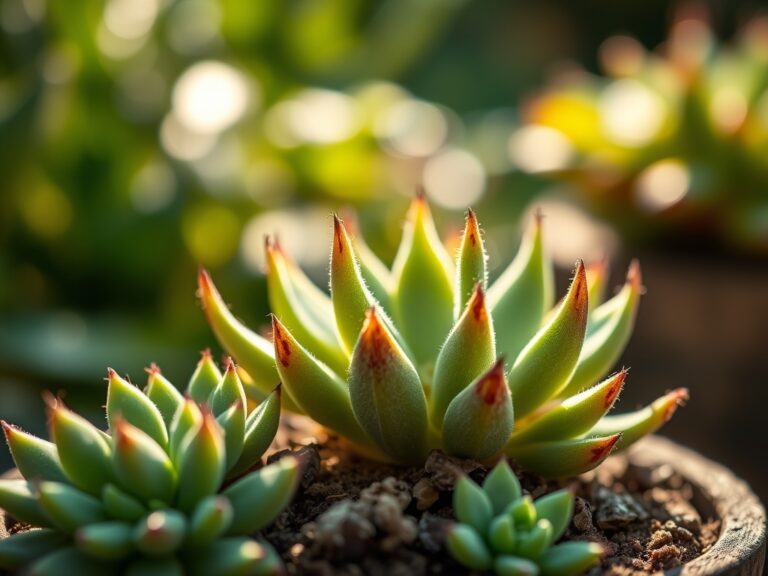
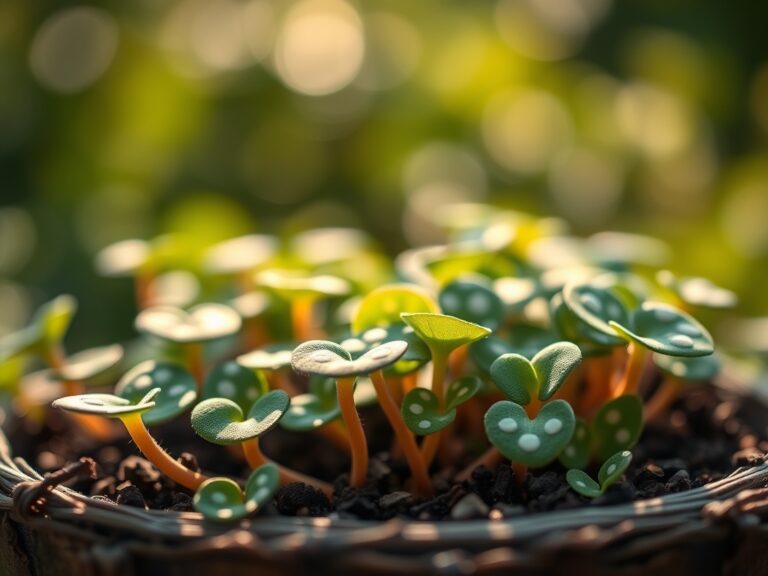
The first time you press your fingertip into the miniature, succulent leaves of Peperomia prostrata, you understand why growers call it String of Turtles. Each leaf mimics the dappled shell of a hatchling turtle, complete with venation that maps out geometric precision. Learning how to grow string of turtles begins with replicating the plant's native Brazilian rainforest floor: dappled light, high humidity, and a substrate that drains in seconds yet holds moisture like a wrung sponge. This trailing epiphyte demands more finesse than the average succulent. Its shallow root system and susceptibility to crown rot make it a litmus test for horticultural discipline.
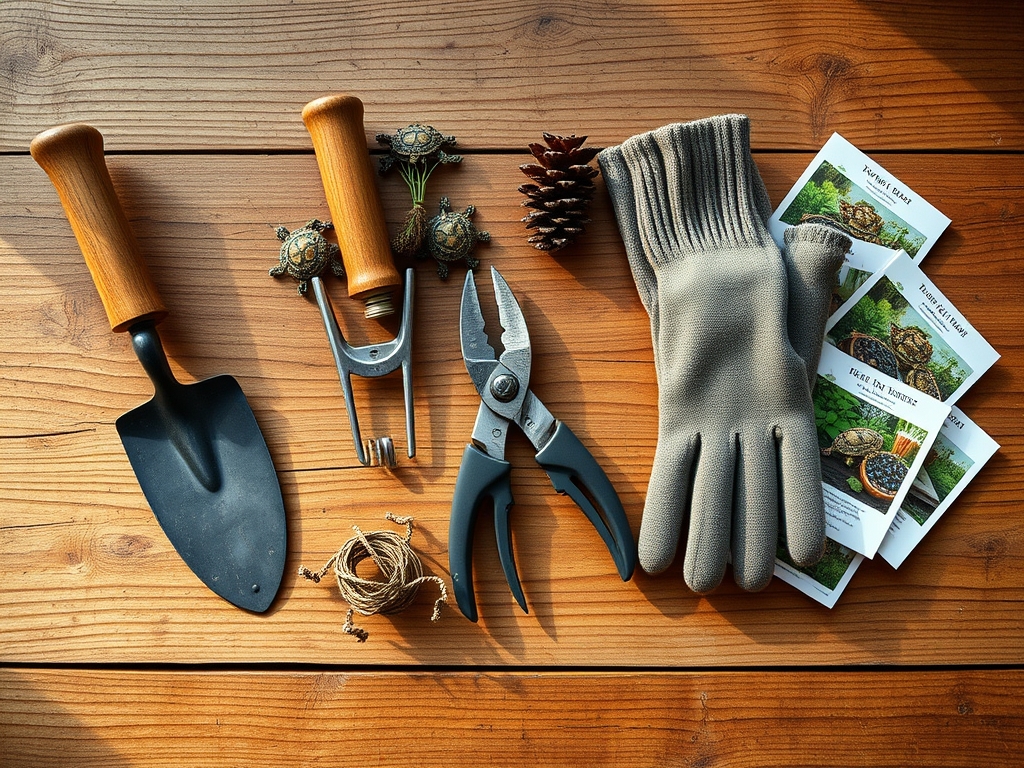
Materials
Start with a substrate pH of 6.0 to 6.5. Blend two parts orchid bark (medium grade), one part perlite, one part peat moss, and one part worm castings. This mix achieves a cation exchange capacity high enough to buffer micronutrients while maintaining air-filled porosity above 25 percent. Standard potting soil suffocates the roots within weeks.
For fertilization, use a balanced 4-4-4 organic meal during active growth from April through September. Liquid kelp extract at 1 tablespoon per gallon provides auxin precursors that encourage trailing stem elongation. Avoid nitrogen-heavy blends above 10-5-5, which promote leggy growth and dilute the characteristic leaf patterning. Mycorrhizal fungi inoculant applied at potting time increases phosphorus uptake by 40 percent in soilless mixes.
Select terracotta containers with drainage holes at least 0.5 inches in diameter. Plastic retains moisture too long for Peperomia prostrata. A 4-inch pot suits a single rooted cutting for the first year. Unglazed clay allows lateral gas exchange through the pot walls, critical for epiphytic root respiration.
Timing
String of Turtles thrives in USDA Hardiness Zones 10 through 12 as an outdoor groundcover. In Zones 3 through 9, treat it as a container specimen moved indoors before the first frost. The plant tolerates a minimum temperature of 50°F but suffers cellular damage below 45°F. Outdoor transplanting windows open after the last spring frost date, typically mid-May in Zone 6 and late March in Zone 9.
Initiate propagation in late spring when ambient temperatures stabilize above 65°F. Rooting success drops below 60 percent when nighttime lows fall under 60°F. The plant enters semi-dormancy from November through February. Reduce fertilization by 75 percent during this period.
Phases

Sowing: String of Turtles rarely produces viable seed in cultivation. Propagate through stem cuttings instead. Select a 3-inch section with at least four leaf nodes. Make the cut 0.25 inches below a node using a sterile blade at a 45-degree angle. This angle maximizes cambium surface area for adventitious root formation. Remove the bottom two leaves to expose nodes for burial.
Insert the cutting 1 inch deep into pre-moistened substrate. Maintain 75 to 85 percent relative humidity using a clear plastic dome or humidity tray. Root primordia emerge in 14 to 21 days at 72°F soil temperature. Pro-Tip: Dip the cut end in rooting hormone powder containing 0.3 percent indole-3-butyric acid (IBA). This doubles rooting speed and increases root density by 30 percent.
Transplanting: Move rooted cuttings to individual 4-inch pots once roots reach 2 inches in length. Handle the root ball minimally. Peperomia prostrata roots shear easily under mechanical stress. Water immediately after transplanting with a solution of 1 teaspoon fish emulsion per gallon to mitigate transplant shock.
Position the crown 0.5 inches above the substrate line. Planting too deep invites stem rot at the soil interface. Pro-Tip: Add a 0.25-inch top dressing of fine horticultural sand around the crown. This layer sheds water away from the stem base and prevents damping-off pathogens from splashing onto lower leaves.
Establishing: Mature plants establish trailing growth within 60 to 90 days. Place the container where it receives 200 to 400 foot-candles of indirect light. East-facing windows provide ideal morning sun without afternoon intensity that bleaches foliage. Rotate the pot 90 degrees every two weeks to equalize auxin distribution and prevent one-sided growth.
Pro-Tip: Pinch the growing tips every 4 to 6 weeks during the active season. Remove the terminal 0.5 inches to stimulate lateral branching from axillary buds. This creates a fuller, bushier habit rather than sparse trailing strands.
Troubleshooting
Symptom: Yellow leaves with brown, crispy margins.
Solution: Classic sign of underwatering or humidity below 40 percent. Increase watering frequency to maintain substrate moisture at 50 percent field capacity. Mist the foliage daily or use a pebble tray to raise ambient humidity to 60 percent.
Symptom: Black, mushy stem base with leaf drop.
Solution: Crown rot caused by Pythium or Phytophthora. Remove affected tissue with a sterile blade, cutting 1 inch into healthy tissue. Repot in fresh substrate and reduce watering by 30 percent. Apply a drench of copper fungicide at label rates.
Symptom: White, cottony masses on leaf axils.
Solution: Mealybug infestation. Dab insects with a cotton swab dipped in 70 percent isopropyl alcohol. Follow with a spray of insecticidal soap at 2 tablespoons per quart every five days for three applications.
Symptom: Pale, elongated stems with sparse leaf spacing.
Solution: Insufficient light triggering etiolation. Relocate to a position with 300 to 500 foot-candles or supplement with a full-spectrum LED grow light positioned 12 inches above the foliage for 12 hours daily.
Symptom: Brown spots with yellow halos on older leaves.
Solution: Indicates potassium deficiency in low-CEC substrates. Apply a 0-0-20 potassium sulfate solution at 0.5 grams per gallon. Potassium moves slowly in soilless mixes, so repeat every 30 days during the growing season.
Maintenance
Water when the top 1 inch of substrate feels dry to the touch. This typically translates to every 7 to 10 days in spring and summer, every 14 to 21 days in fall and winter. Deliver water until it drains from the bottom holes, then discard saucer runoff to prevent root asphyxiation.
Feed every 21 days from April through September with a diluted 4-4-4 liquid fertilizer at half the label rate. Flush the substrate with clear water every 60 days to prevent salt accumulation, which manifests as white crust on the soil surface or pot rim.
Prune dead or damaged leaves at the petiole base using sterilized scissors. Avoid tearing, which creates entry points for bacterial soft rot. Repot every 18 to 24 months or when roots circle the drainage holes. Increase pot size by only 1 inch in diameter to prevent substrate from staying wet too long in an oversized container.
FAQ
How often should I fertilize String of Turtles?
Every three weeks during active growth with a 4-4-4 organic fertilizer at half strength. Skip fertilization from November through February.
Can String of Turtles tolerate low light?
It survives in 150 to 200 foot-candles but growth slows and leaf patterning fades. Optimal light ranges from 300 to 500 foot-candles.
Why are my String of Turtles leaves curling?
Curling indicates either underwatering or humidity below 40 percent. Check substrate moisture and increase ambient humidity with a humidifier or pebble tray.
Is String of Turtles toxic to pets?
No. Peperomia prostrata is non-toxic to cats and dogs according to the ASPCA. It remains safe for households with curious pets.
How long do String of Turtles cuttings take to root?
Expect visible root primordia in 14 to 21 days at 72°F with 75 percent humidity. Full establishment for transplanting occurs at 28 to 35 days.