7 Best String of Dolphins Care Tips
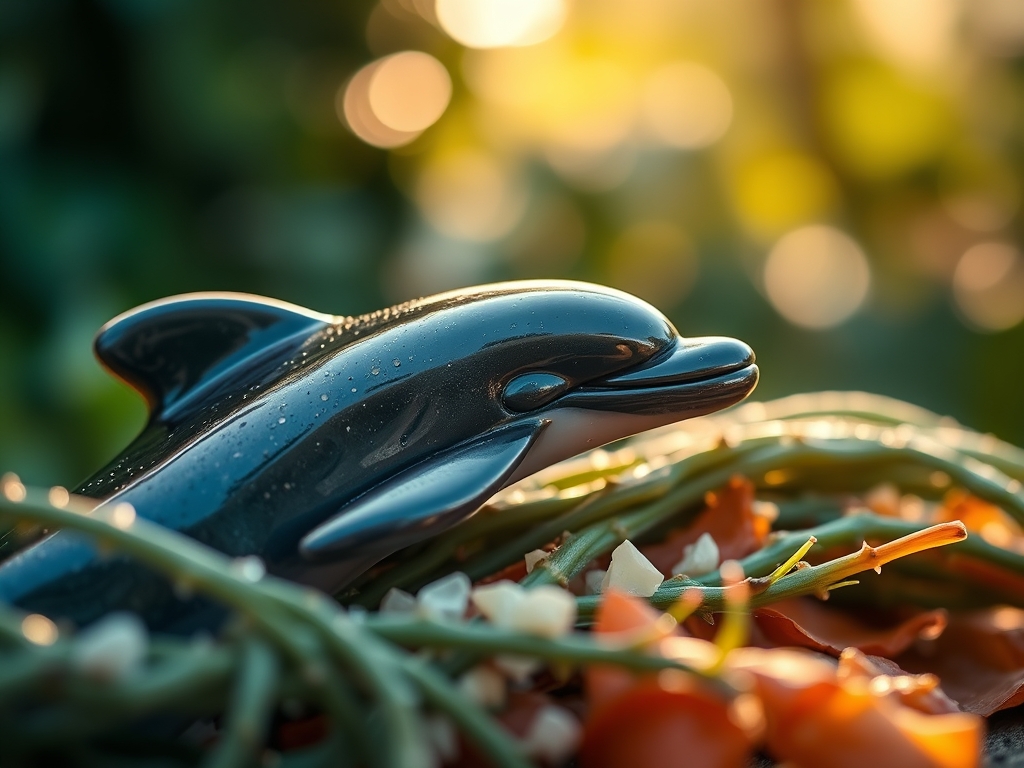
The thick, curved leaves of Senecio peregrinus leap from their stems like a pod of marine mammals frozen mid-breach. Collectors chase this hybrid succulent for its novelty, but the best string of dolphins care demands precision in water chemistry, substrate porosity, and photoperiod manipulation. Native to the winter-rainfall Cape Province of South Africa, this Asteraceae member evolved under nutrient-poor quartzite screes where mycorrhizal fungi colonize root zones and extract phosphorus from insoluble mineral complexes.
Materials
Substrate pH must range from 6.0 to 6.8 to optimize cation exchange capacity and prevent manganese toxicity. Blend 40% coarse pumice (3-8mm particle size), 30% aged pine bark fines, 20% coconut coir, and 10% worm castings to achieve target porosity above 50%. Incorporate a 4-4-4 organic granular fertilizer at 1 tablespoon per gallon of mix during initial preparation. This balanced NPK ratio supports steady vegetative growth without forcing brittle, water-logged tissue.
For containerized specimens, select terracotta pots with drainage holes exceeding 12mm diameter. Glazed ceramic retains excess moisture and encourages anaerobic conditions that destroy fine feeder roots. Top-dress the surface with 6mm crushed granite to reduce evaporative loss from the root crown while permitting air exchange. Liquid kelp extract (0-0-1 with micronutrients) applied at quarter strength biweekly during active growth enhances auxin distribution and internode elongation.
Timing
Senecio peregrinus thrives in USDA Hardiness Zones 9b through 11, where minimum winter temperatures remain above 25 degrees Fahrenheit. In colder climates, treat as a container specimen and move indoors when night temperatures drop below 50 degrees Fahrenheit. The plant enters active growth from March through October in the Northern Hemisphere, coinciding with lengthening photoperiods above 12 hours.
Propagation success peaks between April and June when soil temperatures stabilize at 65 to 75 degrees Fahrenheit. Cuttings taken during this window root within 14 to 21 days under controlled humidity. Avoid propagation after the autumn equinox; declining light intensity reduces cytokinin activity and delays callus formation. Transplant established cuttings only after the last spring frost date, typically when ambient air temperatures consistently exceed 55 degrees Fahrenheit at night.
Phases

Sowing: Senecio peregrinus rarely produces viable seed in cultivation. Vegetative propagation via stem cuttings is the standard method. Select 3 to 4-inch terminal sections with at least three nodes. Remove the lowest leaf pair to expose cambium tissue. Allow cut ends to dry for 48 hours at 60% relative humidity to form a protective callus layer. This step prevents Pythium and Rhizoctonia infection during rooting.
Pro-Tip: Dip cut ends in rooting hormone powder containing 0.1% indole-3-butyric acid (IBA) to accelerate adventitious root initiation by 30%.
Transplanting: Once roots extend 1 to 1.5 inches from the cutting base, transplant into 4-inch pots filled with the prepared substrate. Position the root crown 0.25 inches below the soil surface to prevent stem rot. Water thoroughly until drainage begins, then withhold irrigation for seven days to force root exploration. This controlled stress triggers hydraulic signaling that increases lateral root density.
Pro-Tip: Inoculate the root zone with Glomus intraradices spores at 500 propagules per pot to enhance phosphorus uptake by 40% over uninoculated controls.
Establishing: After six weeks in 4-inch containers, roots colonize the full volume. Transition to 6 or 8-inch hanging baskets to accommodate trailing growth. Position the container where it receives 4 to 6 hours of direct morning sunlight, then bright indirect light for the remainder of the photoperiod. Eastern or western exposures work best. Southern windows in summer cause photo-oxidative stress and bleach chlorophyll from leaf margins.
Pro-Tip: Pinch terminal meristems at a 45-degree angle when stems reach 6 inches to promote lateral branching and denser canopy architecture.
Troubleshooting
Symptom: Leaves shrivel and develop a translucent, water-soaked appearance.
Solution: This indicates overwatering and root hypoxia. Allow substrate to dry completely for 10 days. Remove affected foliage and apply a drench of Bacillus subtilis (1 x 10^8 CFU/mL) to suppress opportunistic pathogens.
Symptom: White, cottony masses at leaf axils.
Solution: Mealybugs (Pseudococcidae family) secrete honeydew and vector sooty mold. Swab colonies with 70% isopropyl alcohol on cotton tips. Follow with a spray of insecticidal soap (potassium salts of fatty acids) at 2% concentration every five days for three applications.
Symptom: Stems elongate with 2 to 3-inch internodes and pale green color.
Solution: Insufficient light intensity triggers etiolation. Relocate to a site with photosynthetic photon flux density (PPFD) above 200 micromoles per square meter per second. Supplemental LED grow lights with a 3:1 red-to-blue ratio can correct this.
Symptom: Leaf tips turn brown and crisp.
Solution: Excess soluble salts from over-fertilization cause marginal necrosis. Leach substrate with distilled water at three times the pot volume. Resume feeding at half the previous concentration.
Maintenance
Irrigate only when the substrate dries to a depth of 2 inches, typically every 10 to 14 days during summer and every 21 to 28 days in winter. Apply 0.5 cups of water per 6-inch pot, ensuring complete saturation and drainage. During active growth, feed with a 3-1-2 liquid fertilizer diluted to 100 ppm nitrogen every three weeks. Discontinue fertilization from November through February when growth rates drop below 0.1 inches per week.
Prune leggy stems in early spring, cutting just above a node at a 45-degree angle to prevent water accumulation on the wound. Remove dead foliage monthly to improve air circulation and reduce fungal spore loads. Repot every two years in spring, upgrading container size by 2 inches to prevent root binding.
FAQ
How much light does string of dolphins need?
Provide 4 to 6 hours of direct morning sun, then bright indirect light. Total daily light integral should reach 6 to 8 moles per square meter per day.
Why are my dolphin leaves flat instead of curved?
Low light reduces turgor pressure in specialized water-storage cells. Move to a brighter location with PPFD above 200 micromoles per square meter per second.
Can I grow string of dolphins in water?
Semi-hydroponic culture works if roots receive continuous aeration. Use an aquarium bubbler and change nutrient solution (50 ppm nitrogen) weekly to prevent anoxia.
When does string of dolphins bloom?
Flowers appear in late autumn or early winter after exposure to short photoperiods below 10 hours and night temperatures of 50 to 55 degrees Fahrenheit for four weeks.
Is string of dolphins toxic?
All Senecio species contain pyrrolizidine alkaloids toxic to mammals if ingested. Keep away from pets and children. Handle with care and wash hands after contact.