9 Vital Steps to Get Easter Cactus Blooms
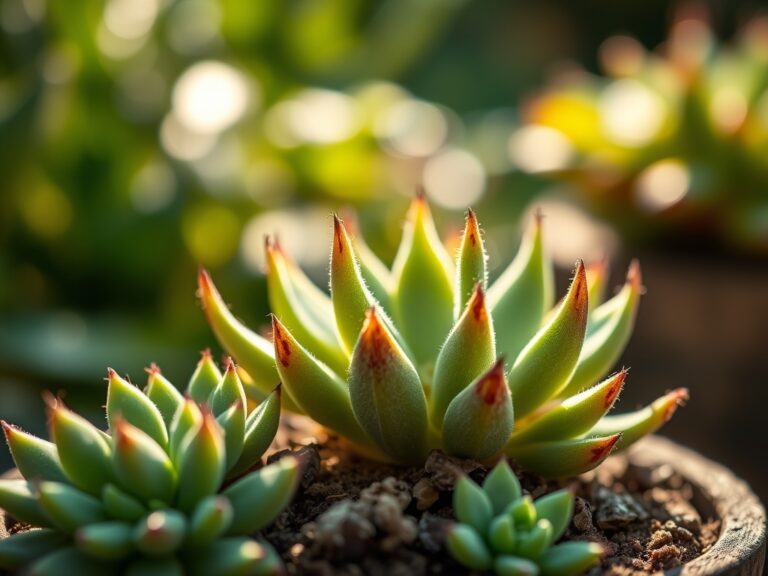
Crushing a dried segment of Rhipsalidopsis gaertneri between your fingers reveals a fibrous interior that should, in a healthy specimen, be turgid and resistant to pressure. Achieving the perfect floral display requires a systematic approach to the plant's physiological needs. To master the steps to get easter cactus blooms, a grower must manipulate the plant's internal biological clock through precise temperature and light regulation. The smell of damp, acidic peat and the sight of plump, deep green phylloclades indicate a plant ready for the reproductive phase. Unlike its winter-blooming relatives, the Easter cactus demands a more rigorous adherence to cool-down periods and specific light cycles. Failure to provide these triggers results in vegetative stagnation where the plant continues to produce new segments but fails to initiate bud primordia. Success is found in the data; specific light hours and thermal minimums dictate whether the plant remains in a growth state or transitions to its highly anticipated flowering stage.
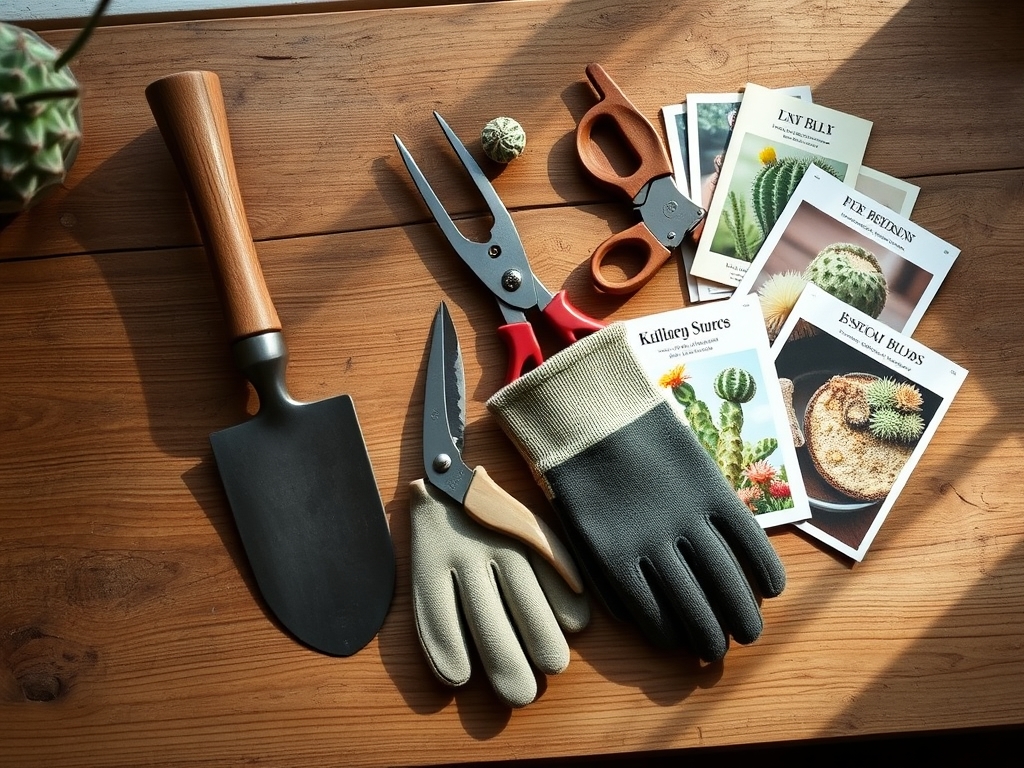
Materials:
The substrate is the foundation of floral success. Easter cacti are epiphytic by nature and require a medium with a high Cation Exchange Capacity (CEC) to manage nutrient uptake effectively. The ideal soil pH ranges from 5.5 to 6.3.
- Substrate Composition: Utilize a friable loam mixed with 40 percent perlite or coarse orchid bark. This ensures a high macro-pore space for gas exchange within the rhizosphere.
- Nutrient Ratios: During the vegetative phase, use a balanced 10-10-10 NPK fertilizer. As the plant enters the pre-bloom phase, transition to a 0-10-10 or 2-10-10 NPK ratio to prioritize phosphorus and potassium over nitrogen.
- Water Quality: Use distilled water or rainwater. These plants are sensitive to dissolved salts and chlorine found in municipal supplies, which can lead to tip necrosis.
Timing:
Easter cacti are hardy in USDA Zones 10 through 12 but are primarily treated as indoor specimens in cooler climates. The transition from vegetative to reproductive stages is governed by a process called thermophotoperiodism. To trigger bud initiation, the plant requires a "rest period" starting in late December or early January. This window must provide 12 to 14 hours of total darkness and temperatures consistently between 50 and 55 degrees Fahrenheit. This cold stress signals the plant to cease auxin production in the apical meristems and begin the synthesis of florigen, the hormone responsible for flower development.
Phases:

Sowing and Propagation
While most growers start with established plants, propagation from segments is the most efficient way to expand a collection. Twist off a segment at the joint during the late spring. Allow the wound to callus for 24 to 48 hours to prevent fungal pathogens from entering the vascular tissue.
Pro-Tip: Callusing is vital because it allows the plant to form a protective layer of suberin. This prevents "damping off" caused by Pythium species by creating a physical barrier before the segment is introduced to the moist rhizosphere.
Transplanting and Root Management
Repotting should occur every two to three years after the flowering cycle has finished. Use a hori-hori knife to gently loosen the root ball from its container. These plants prefer to be slightly pot-bound; a container that is too large holds excess moisture, leading to root senescence.
Pro-Tip: Maintaining a tight root-to-soil ratio limits the energy the plant spends on root expansion. This energy is instead diverted to the phylloclades, increasing the turgor pressure necessary for supporting heavy blooms.
Establishing the Bloom Cycle
The most critical of the steps to get easter cactus blooms is the eight-week cooling period. Place the plant in a room where temperatures do not exceed 60 degrees Fahrenheit at night. Reduce irrigation to the bare minimum; only water when the top 2 inches of soil feel completely desiccated.
Pro-Tip: This period of drought and cold induces a state of "controlled stress." This stress triggers the plant's survival mechanism, forcing it to produce seeds via flowering to ensure the continuation of its genetic lineage.
The Clinic:
Physiological disorders in Rhipsalidopsis are often mistaken for infectious diseases. Monitoring the plant's physical state provides immediate feedback on its environmental conditions.
- Symptom: Bud Drop. The plant prematurely sheds developing buds.
- Solution: Eliminate drafts and sudden temperature fluctuations. Ensure the plant is not moved once buds have formed, as changes in light orientation cause abscission.
- Symptom: Reddish Phylloclades. The green segments turn a deep maroon or red.
- Solution: This is usually photo-inhibition or phosphorus deficiency. Move the plant to a location with bright, indirect light and check the soil pH.
- Symptom: Limp, Shriveled Segments. Loss of turgidity despite wet soil.
- Solution: This indicates root rot. Remove the plant from the pot, prune dead roots with bypass pruners, and repot in fresh, sterilized substrate.
Fix-It: Nitrogen Chlorosis
If the older segments turn pale yellow while the veins remain green, the plant is suffering from nitrogen deficiency. Apply a chelated liquid fertilizer at half strength to restore chlorophyll production without burning the sensitive root hairs.
Maintenance:
Precision is the hallmark of a master horticulturist. Use a soil moisture meter to ensure the root zone stays at a consistent moisture level during the active growing season. Provide 1.5 inches of water per week, ensuring the water drains freely from the bottom of the pot. Never allow the plant to sit in a saucer of standing water.
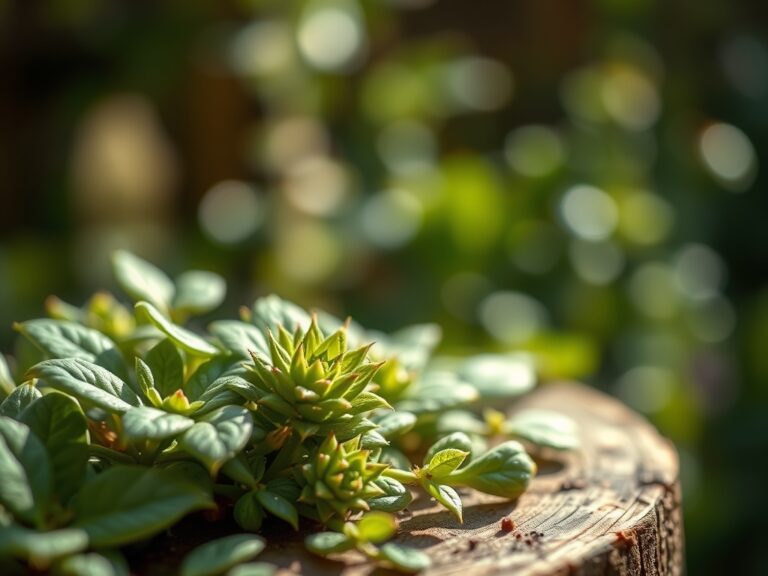
Pruning is rarely necessary but can be done to maintain shape. Use sterilized bypass pruners to remove segments at the joints. This encourages branching, which creates more terminal ends for future buds. During the summer months, maintain ambient humidity above 50 percent by placing the pot on a tray of pebbles and water, ensuring the pot itself remains above the water line.
The Yield:
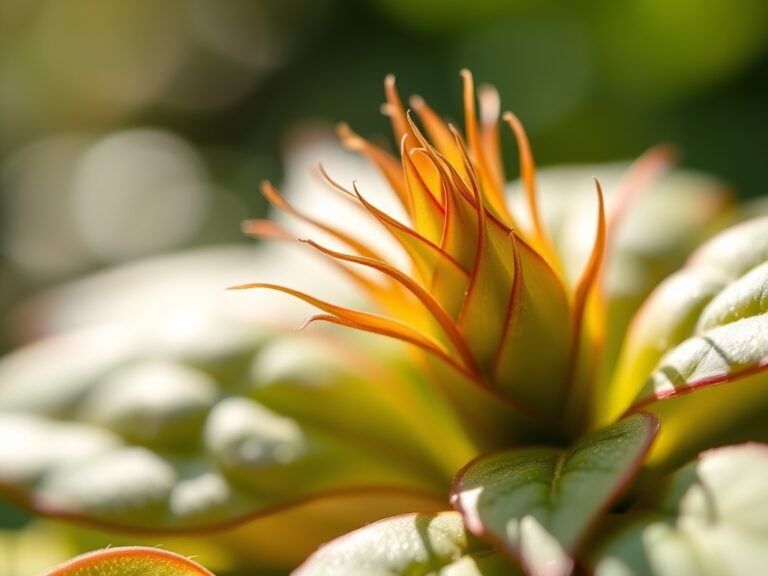
The "yield" of an Easter cactus is its synchronous explosion of star-shaped flowers. Blooms typically last seven to ten days individually, but the entire plant may remain in flower for three to four weeks. To maximize the longevity of the display, keep the plant in a cool location, around 65 degrees Fahrenheit, once the first bud opens.
Post-bloom care is essential for the following year's success. Once the flowers wither, pinch them off to prevent the plant from wasting energy on seed production. Resume regular fertilization with a 10-10-10 NPK solution to support the new vegetative growth that will emerge in the summer.
FAQ:
Why is my Easter cactus not blooming?
The plant likely missed its required cooling period. It needs 8 to 12 weeks of night temperatures between 50 and 55 degrees Fahrenheit and 12 hours of darkness to initiate the transition from vegetative growth to bud development.
How much light does an Easter cactus need?
During the growing season, provide bright, indirect light. Avoid direct southern exposure, which causes solar radiation damage. During the winter rest period, the plant requires total darkness for at least 12 hours per day to trigger blooming.
What is the best fertilizer for Easter cactus?
Use a balanced 10-10-10 NPK fertilizer during the summer. Switch to a high-phosphorus formula, such as 0-10-10, in late autumn to support bud formation. Always apply at half-strength to prevent salt buildup in the rhizosphere.
Can I move my cactus while it is in bud?
No. Moving the plant or changing its orientation to the light source during bud development often causes "bud drop." The plant is highly sensitive to environmental shifts during this stage of its reproductive cycle.