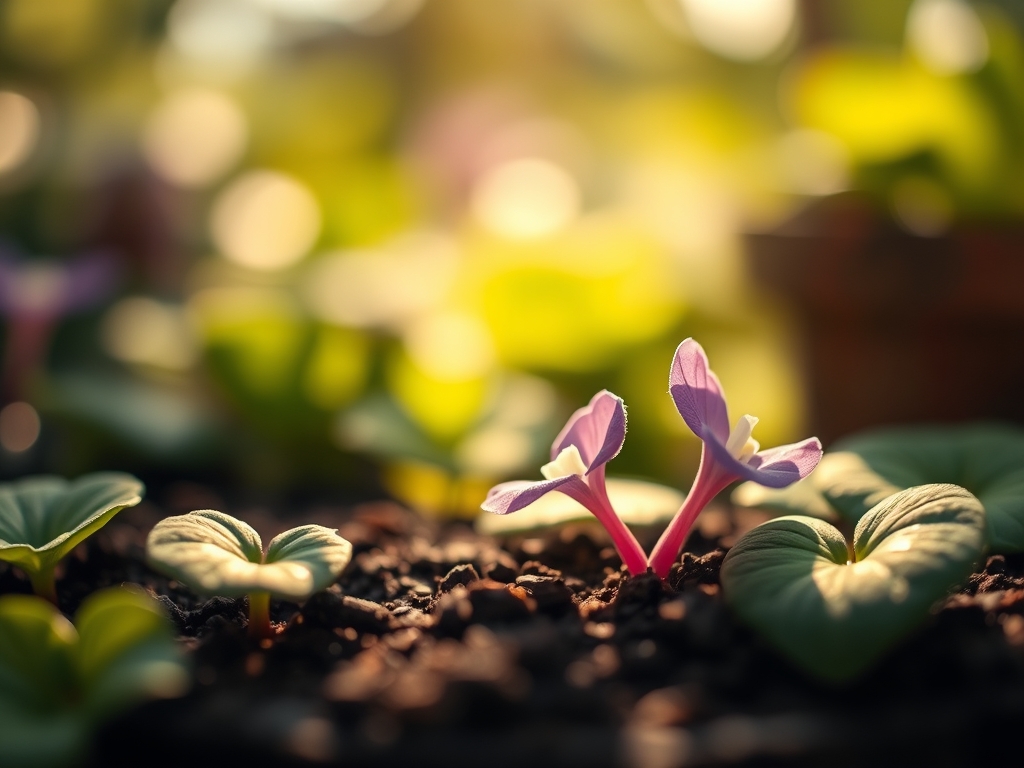
6 Basic Steps to African Violet Blooming
The scent of damp peat and the crisp snap of a leaf with high turgor pressure define the workspace of a serious indoor horticulturalist. Saintpaulia ionantha, commonly known as the African Violet, is not a finicky ornamental but a biological machine that requires specific inputs to trigger its reproductive cycle. Achieving consistent success requires a calculated approach to environmental variables. By following these six technical steps to african violet blooming, you move beyond guesswork and into the realm of precision plant physiology.
Materials:
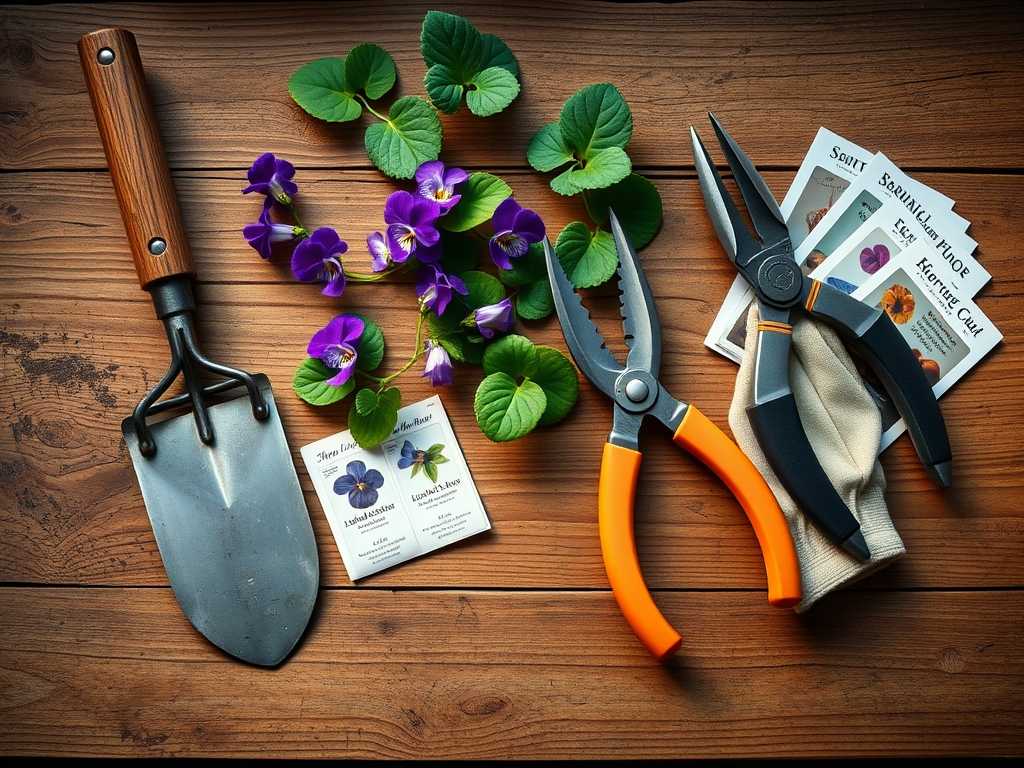
Substrate selection is the foundation of root health. African Violets require a **pH range of 5.8 to 6.2** to ensure optimal nutrient availability. The ideal medium is a friable mix consisting of **50 percent sphagnum peat moss, 25 percent perlite, and 25 percent vermiculite**. This composition ensures high porosity for oxygen exchange while maintaining a stable Cation Exchange Capacity (CEC).
For the reproductive phase, the NPK ratio must shift. Use a water soluble fertilizer with a 12-36-14 ratio. High phosphorus content is critical for ATP production and flower initiation. Avoid urea based nitrogen; it can cause root burn in the confined rhizosphere of a four inch pot. Use a soil moisture meter to calibrate your irrigation schedule; the substrate should never drop below 30 percent moisture content or exceed 80 percent saturation.
Timing:
While African Violets are typically grown in climate controlled indoor environments, they respond to the ambient photoperiod of their geographic location. In North America, they thrive in Hardiness Zones 10 through 12 if kept outdoors, but indoor specimens require a consistent temperature between 65 and 75 degrees Fahrenheit.
The biological clock of the African Violet is governed by light accumulation. The transition from the vegetative stage to the reproductive stage occurs when the plant reaches a specific biomass and receives 12 to 14 hours of light daily. If the ambient temperature drops below 60 degrees Fahrenheit, the plant enters a metabolic slowdown, delaying senescence and halting flower production. Monitor the seasonal shift in light intensity; a southern exposure window in winter provides the necessary foot candles, while a northern exposure may require supplemental LED arrays.
Phases:

Sowing and Propagation
Start with leaf cuttings taken from the middle tier of the mother plant. Use a sterile scalpel to cut the petiole at a 45 degree angle, leaving approximately one inch of stem. Insert this into a pre moistened starter plug.
Pro-Tip: Maintain high humidity (80 percent) during this phase to prevent desiccation. The Biological Why is rooted in the suppression of transpiration; until the cutting develops adventitious roots, it cannot replace lost moisture through the xylem, making atmospheric humidity the primary survival factor.
Transplanting
Once the plantlets reach one inch in height, move them to a 2.5 inch pot. Overpotting is a common failure; African Violets prefer to be slightly pot bound to stimulate blooming. The roots must occupy at least 75 percent of the available substrate before the plant shifts energy from root expansion to floral development.
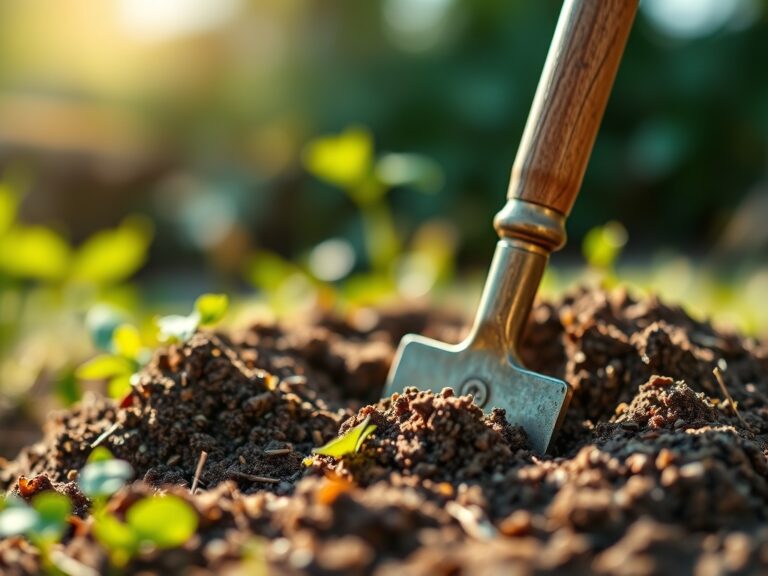
Pro-Tip: Use a hori-hori knife or a small spatula to lift the delicate root ball. The Biological Why involves avoiding root tip damage; the meristematic tissue at the root tips produces cytokinins, which are essential hormones that signal the rest of the plant to continue growing.
Establishing the Crown
Ensure the crown of the plant sits exactly at the soil line. If buried, the crown will rot; if too high, the roots will desiccate. Remove any suckers or secondary crowns using bypass pruners to maintain a single rosette.
Pro-Tip: Rotate the pot 90 degrees every week. The Biological Why is to counter phototropism; by evening out light exposure, you prevent the asymmetrical accumulation of auxins on the shaded side of the stem, ensuring a balanced, circular rosette.
The Clinic:
Physiological disorders often mimic disease but are usually rooted in environmental stress.
Symptom: Tight, brittle center leaves.
Solution: This indicates light toxicity or a micronutrient lockout. Reduce light intensity and check the pH. If the pH is above 7.0, the plant cannot uptake iron or manganese.
Symptom: Long, weak petioles (reaching).
Solution: This is etiolation. Increase light duration to 14 hours or move the plant closer to the light source.
Symptom: Crown Rot (mushy brown center).
Solution: This is caused by overwatering or cold water touching the crown. Reduce irrigation and ensure water temperature is within 5 degrees of the ambient room temperature.
Fix-It: Nitrogen Chlorosis.
If older leaves turn pale yellow while veins remain green, the plant is scavenging nitrogen for new growth. Apply a balanced 20-20-20 fertilizer at half strength for one watering cycle to stabilize the nitrogen levels before returning to a high phosphorus bloom booster.
Maintenance:
Precision maintenance is the difference between a surviving plant and a thriving one. Use a soil moisture meter to ensure the root zone stays consistently damp but not anaerobic. Apply approximately 0.5 to 1.0 cup of water per week for a standard four inch pot, depending on humidity. Always water from the bottom by placing the pot in a saucer for 20 minutes, then discarding excess liquid.
Use bypass pruners to remove spent blooms and yellowing lower leaves. This prevents the plant from wasting energy on seed production and improves airflow through the canopy. Regularly clean the leaves with a soft brush; dust accumulation reduces photosynthetic efficiency by blocking the stomata. Ensure the air circulation is constant but indirect; a small fan can prevent the buildup of stagnant air which leads to fungal pathogens.
The Yield:
For African Violets, the "yield" is the flush of flowers. A healthy specimen should produce 5 to 10 blooms per peduncle. Harvest spent flowers by snapping the flower stalk at the base once the petals show signs of wilting. This triggers the plant to send more energy to the remaining buds.
For exhibition quality, timing is everything. If you are preparing for a specific date, disbud the plant (remove all flower stalks) 8 to 10 weeks before the event. This allows the plant to build up carbohydrate reserves, resulting in a massive, simultaneous explosion of color. Post harvest, keep the plant in a stable environment with 50 percent relative humidity to maintain petal longevity.
FAQ:
How much light do African Violets need for blooming?
They require 10,000 to 12,000 lux for approximately 12 to 14 hours daily. Without sufficient light intensity, the plant will remain in a vegetative state and fail to produce flower stalks.
Why are my African Violet leaves curling downward?
This is often a response to low temperatures or excessive light. If the temperature drops below 60 degrees Fahrenheit, the plant curls its leaves to protect the crown. Check your thermostat and move the plant away from drafty windows.
Can I use tap water for my African Violets?
Yes, but let it sit for 24 hours to allow chlorine to dissipate. Ensure the water is room temperature; cold water causes permanent cell damage and spotting on the foliage, a condition known as ring spot.
How often should I fertilize for maximum blooms?
Use a diluted liquid fertilizer (one quarter strength) with every watering. This "constant feed" method provides a steady supply of phosphorus and potassium, which are essential for sustained reproductive growth and cellular turgor.