7 Best Rattlesnake Plant Care Secrets
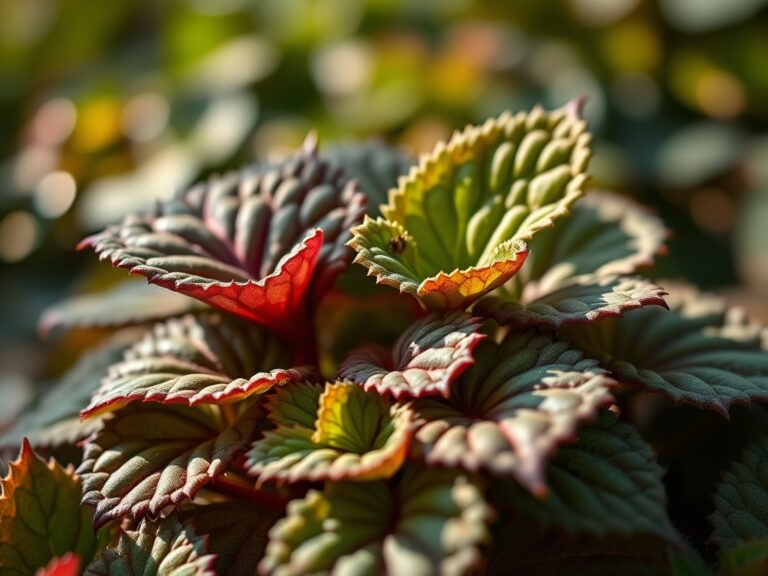
Crushing a handful of well aerated potting mix releases the sharp scent of geosmin; this is the olfactory signal of a healthy rhizosphere. For the Goeppertia insignis, formerly Calathea lancifolia, maintaining high turgor pressure within the leaf cells is the primary objective of any cultivation strategy. The best rattlesnake plant care requires a clinical understanding of tropical understory dynamics. You are managing a specimen that relies on precise osmotic regulation to move its foliage in response to light. When the plant is thriving, the lanceolate leaves stand rigid and display a deep purple abaxial surface. Success is measured by the lack of necrotic margins and the steady emergence of new rolled shoots from the central crown. This is not decorative gardening; it is the management of a complex hydraulic system. You must balance transpiration rates with moisture availability while ensuring the soil chemistry remains stable. Failure to monitor these variables results in rapid leaf senescence and permanent vascular damage to the plant.
Materials:
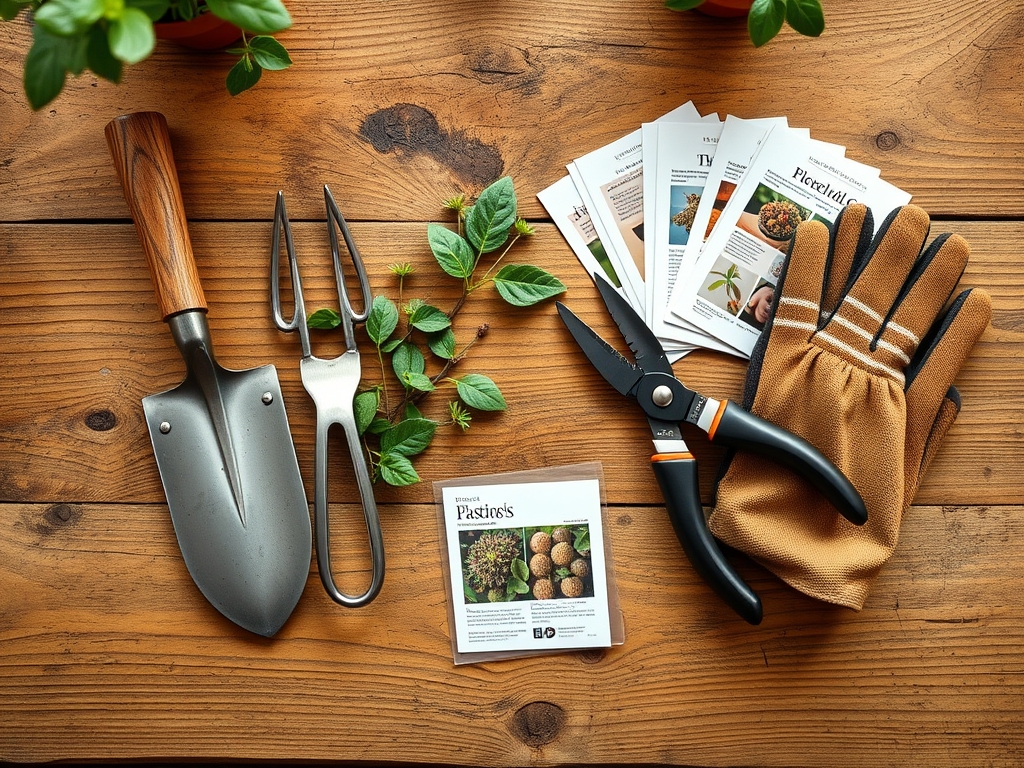
The substrate must be a friable loam with high porosity to prevent anaerobic conditions. Aim for a soil pH between 5.5 and 6.5. This acidity range optimizes the availability of micronutrients like iron and manganese. The Cation Exchange Capacity (CEC) should be high; use a mix of two parts peat moss or coconut coir, one part perlite, and one part orchid bark.
For fertilization, utilize a liquid NPK ratio of 10-10-10 or 3-1-2. The nitrogen (N) supports the expansive leaf surface area. Phosphorus (P) and Potassium (K) maintain root resilience and cellular water retention. Avoid granular fertilizers that cause localized salt accumulation. Use distilled water or rainwater exclusively to prevent fluoride and chlorine toxicity, which manifests as burnt leaf tips.
Timing:
Goeppertia insignis is strictly an indoor specimen in most climates, rated for USDA Hardiness Zones 11 and 12. It cannot survive temperatures below 60 degrees Fahrenheit (15.5 Celsius). The biological clock of the plant is dictated by the photoperiod. During the active growth phase from March to September, the plant requires consistent moisture and monthly feeding.
As the autumn equinox approaches and light duration decreases, the plant enters a semi-dormant vegetative state. During this period, metabolic processes slow down. You must reduce irrigation frequency to prevent root rot, as the plant's water uptake decreases significantly. Do not repot or propagate during the winter months; the lack of active auxin production hinders root recovery and increases the risk of fungal infection.
Phases:
Sowing and Propagation
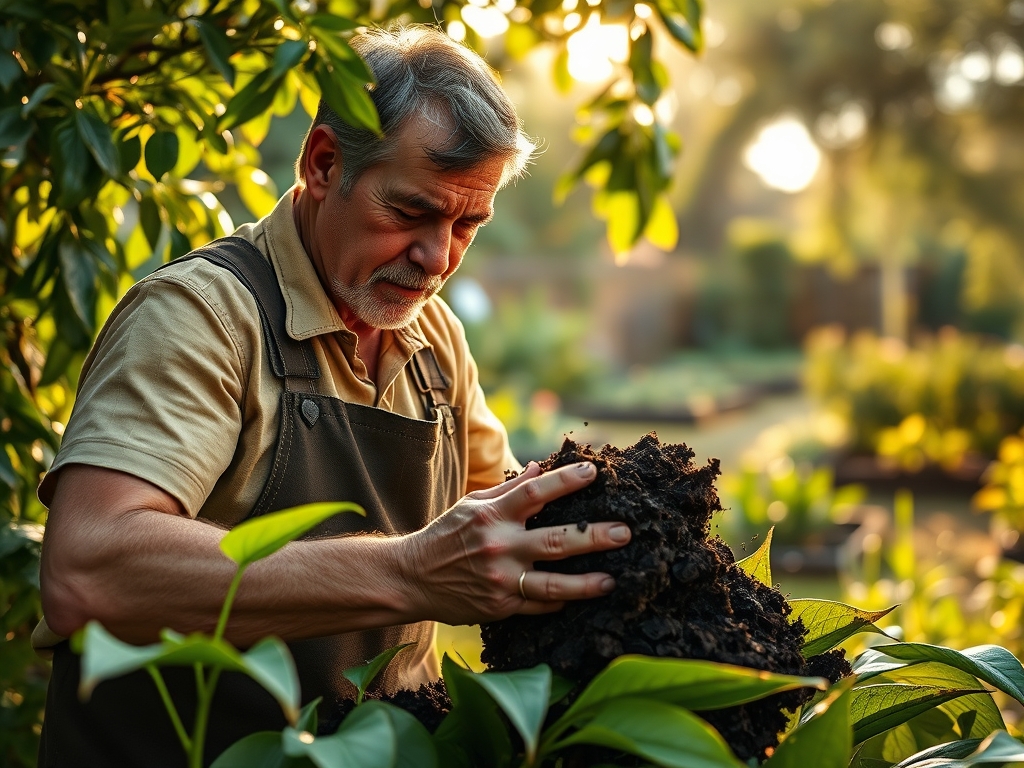
Goeppertia insignis is rarely grown from seed in a domestic setting; instead, it is propagated through rhizome division. During early spring, remove the plant from its container and identify natural separations in the root mass. Use a sterilized hori-hori knife to slice through the connective tissue, ensuring each section has at least two healthy leaves and a robust root system.
Pro-Tip: Ensure the new divisions are kept in a high humidity environment exceeding 70 percent. This reduces the transpiration pull on the damaged root system, allowing the plant to focus energy on callusing and new root initiation rather than maintaining leaf turgor.
Transplanting
When the roots begin to circle the interior of the pot, transplanting is required. Select a vessel only 1 to 2 inches wider than the current one. Position the plant at the same depth it was previously growing. Deep planting can lead to crown rot, while shallow planting exposes the sensitive rhizomes to desiccation.
Pro-Tip: After transplanting, apply a seaweed based tonic to the soil. The cytokinins in the seaweed stimulate cell division and help the plant overcome transplant shock by stabilizing the cell membranes against osmotic stress.
Establishing
The establishment phase lasts approximately six weeks. During this time, the plant is calibrating its internal hydraulics to the new soil volume. Keep the plant in a location with indirect light measuring 150 to 250 foot-candles. Avoid direct solar radiation, which will bleach the chlorophyll and cause permanent scarring on the leaf surface.
Pro-Tip: Observe the nyctinasty movements. The leaves should fold upward at night and lower during the day. This movement is controlled by the pulvinus, a joint like thickening at the leaf base. If the leaves stop moving, it indicates a loss of turgor pressure or a localized calcium deficiency affecting cell wall elasticity.
The Clinic:
Physiological disorders in Goeppertia insignis are usually environmental rather than pathogenic.
Symptom: Brown, crispy leaf margins.
Solution: This is typically caused by low humidity or high salt levels in the substrate. Increase ambient humidity to above 50 percent using a humidifier. Flush the soil with a gallon of distilled water to leach out accumulated mineral salts.
Symptom: Yellowing lower leaves (Chlorosis).
Solution: Nitrogen deficiency or overwatering. If the soil is soggy, the roots are suffocating. If the soil is dry, the plant is scavenging nitrogen from old growth to support new leaves. Apply a balanced 10-10-10 fertilizer at half strength.
Symptom: Curled or drooping leaves during midday.
Solution: This is a defense mechanism against excessive light or heat. Move the plant further from the light source and check the soil moisture with a soil moisture meter. The reading should stay in the "moist" range, never "wet" or "dry."
Fix-It for Iron Chlorosis: If new leaves emerge pale yellow with green veins, the pH is likely too high. Apply a chelated iron supplement to lower the pH and restore chlorophyll production.
Maintenance:
Consistency is the hallmark of the best rattlesnake plant care. Provide 1 to 1.5 inches of water per week, ensuring the water reaches the entire root ball. Use a soil moisture meter to verify the top inch of soil is dry before re-irrigating.
Pruning is minimal. Use bypass pruners sterilized with 70 percent isopropyl alcohol to remove yellowing or damaged leaves at the base of the petiole. This prevents the plant from wasting carbohydrates on dying tissue. Dust the leaves monthly with a damp microfiber cloth; dust buildup blocks the stomata and reduces photosynthetic efficiency by up to 30 percent.
Maintain a temperature range of 65 to 80 degrees Fahrenheit. Avoid placing the plant near HVAC vents or drafty windows. Rapid temperature fluctuations cause cellular stress and can lead to sudden leaf drop.
The Yield:
While the rattlesnake plant is not an edible crop, its "yield" is the production of healthy, variegated foliage. To maximize the aesthetic output, maintain the plant in a pot that is slightly snug. This encourages the plant to put energy into leaf production rather than expansive root growth. If the plant produces small, inconspicuous flowers on spikes, you may choose to prune them. Flowering consumes significant ATP (adenosine triphosphate) and can temporarily slow the rate of leaf emergence. For "day-one" freshness during a move or display change, mist the plant lightly and keep it in a cool, shaded area to minimize water loss.
FAQ:
Why are my rattlesnake plant leaves turning brown?
Brown edges usually indicate low humidity or tap water sensitivity. Use a humidifier to maintain 50 percent humidity and switch to distilled water. This prevents mineral salts from burning the delicate leaf margins through transpiration.
How much light does a rattlesnake plant need?
They require medium, indirect light. Avoid direct sun, which causes leaf scorch. A north or east facing window is ideal. Use a light meter to aim for 150 to 250 foot-candles for optimal growth.
How often should I water my Goeppertia insignis?
Water when the top inch of soil feels dry. This usually equates to once per week. Always use a pot with drainage holes to prevent water from pooling at the bottom, which causes lethal root rot.
Is the rattlesnake plant toxic to pets?
No, the Goeppertia insignis is non-toxic to cats and dogs. It is a safe choice for households with animals. However, ingestion of any plant material may still cause mild gastrointestinal upset in some pets.
What is the best fertilizer for rattlesnake plants?
Use a balanced liquid fertilizer (10-10-10) diluted to half strength. Apply once a month during the spring and summer. Avoid feeding in the winter when the plant's metabolic rate and nutrient uptake significantly decrease.