8 Best Prayer Plant Maranta Tips
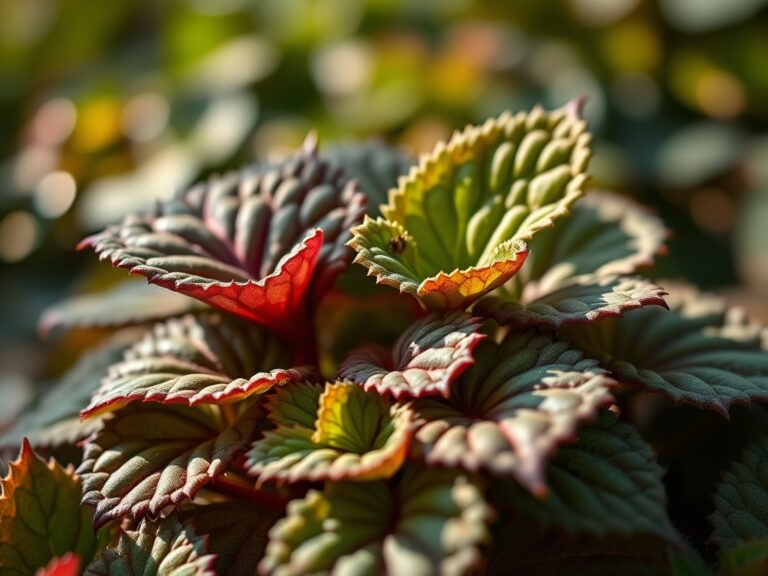
Turgor pressure dictates the structural integrity of a healthy Maranta leuconeura. When you handle a specimen in peak condition, the leaves feel like cool, hydrated parchment rather than limp fabric. The smell of damp, oxygenated peat and perlite signals a thriving rhizosphere. Mastering the best prayer plant maranta tips requires moving beyond casual observation into the realm of precise environmental control. These plants are biological sensors that react to the slightest shifts in humidity and light.
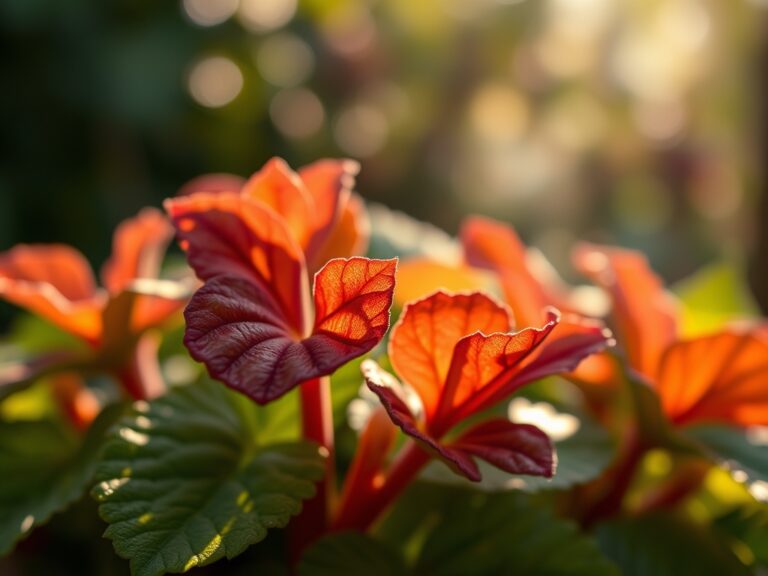
Maranta plants belong to the family Marantaceae. They are famous for their nyctinastic movements; the leaves fold upward at night and lower during the day. This movement is controlled by the pulvinus, a joint-like thickening at the base of the leaf stalk. To keep this mechanism functioning, the plant requires specific chemical and physical inputs. Achieving the deep greens and stark crimson veining seen in professional conservatories is a matter of managing soil chemistry and light cycles with mathematical rigor.
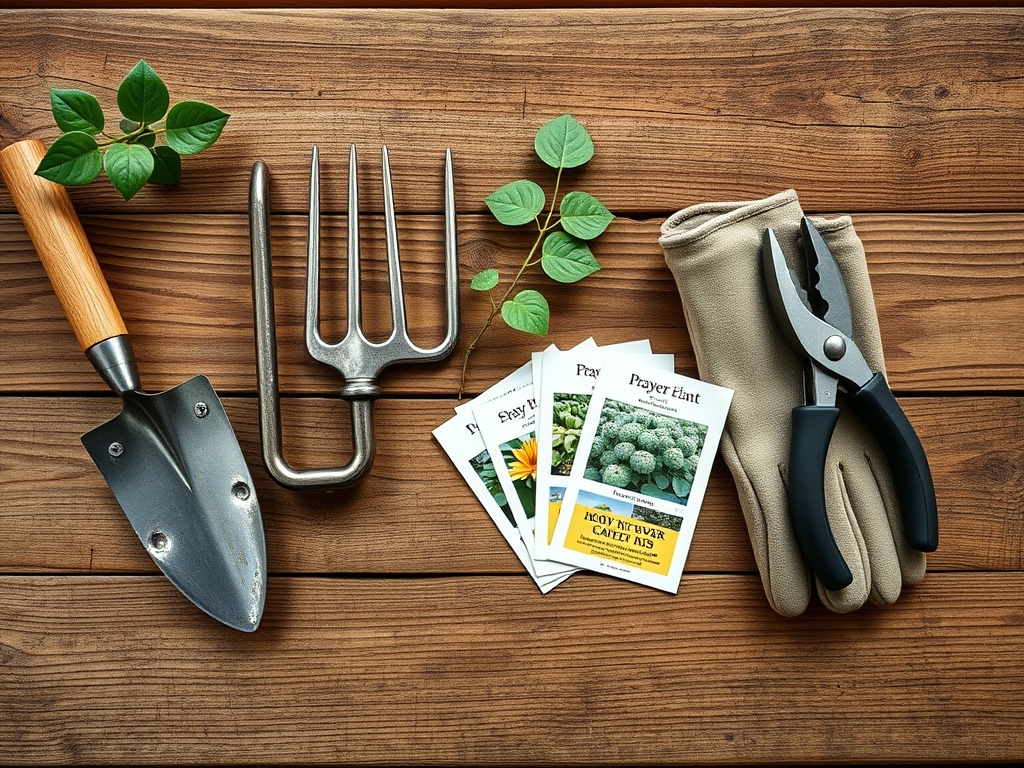
Materials:
The ideal substrate for a Maranta is a friable loam that balances water retention with high porosity. These plants require a soil pH between 5.5 and 6.0. If the pH climbs above 7.0, the plant will struggle with iron and manganese uptake.
For the nutritional regimen, use a water-soluble fertilizer with an NPK ratio of 10-10-10 or 20-20-20 diluted to half strength. During the active growing season, the Cation Exchange Capacity (CEC) of the soil must be maintained by adding organic matter like leaf mold or coco coir. This ensures that positively charged ions like potassium and magnesium remain available to the root hairs. The physical mix should consist of two parts peat moss, one part perlite, and one part coarse sand to prevent anaerobic conditions in the root zone.
Timing:
Maranta leuconeura is native to the tropical rainforests of Brazil. It thrives in USDA Hardiness Zones 11 and 12. In any other climate, it must be treated as an indoor specimen or a seasonal tropical. The biological clock of the Maranta is tied strictly to the photoperiod. It enters a period of slower metabolic activity when daylight drops below 10 hours.
The transition from vegetative growth to the reproductive stage (flowering) typically occurs in late spring or early summer. While the flowers are small and white or lavender, they signify that the plant has reached a state of physiological maturity. You should time your propagation efforts for the early spring, precisely two weeks before the last frost date for your region, to take advantage of the natural surge in auxin production as temperatures rise.
Phases:
Sowing and Propagation
Maranta is rarely grown from seed in a domestic setting; instead, use stem cuttings. Ensure each cutting has at least two nodes. Submerge the nodes in distilled water or a sterile rooting medium. Maintain a constant temperature of 70 to 75 degrees Fahrenheit.
Pro-Tip: Use a rooting hormone to stimulate the pericycle. This layer of cells in the stem is responsible for initiating lateral roots. By applying synthetic auxins, you bypass the plant's natural inhibitory signals and accelerate the establishment of a secondary root system.
Transplanting
When roots reach a length of 2 inches, move the specimen into its permanent substrate. Use a pot that is only 1 to 2 inches wider than the root ball. Excessive soil volume leads to "perched water tables" where the bottom of the pot remains saturated, suffocating the roots.
Pro-Tip: Inoculate the soil with mycorrhizal fungi during transplanting. This symbiotic relationship extends the reach of the root system. The fungi trade phosphorus for plant sugars, significantly increasing the plant's drought resistance and nutrient absorption efficiency.
Establishing
During the first six weeks post-transplant, maintain humidity levels above 60 percent. Use a digital hygrometer to monitor the air. If the humidity drops, the plant will increase its transpiration rate, leading to leaf tip burn as salts accumulate in the margins.
Pro-Tip: Avoid moving the plant once it is established. Maranta leaves exhibit strong phototropism. Constant repositioning forces the plant to expend metabolic energy reorienting its petioles toward the light source, which can lead to stunted growth and reduced leaf size.
The Clinic:
Symptom: Marginal Leaf Necrosis
Solution: This is often caused by tap water containing high levels of fluoride or chlorine. Switch to distilled water or rainwater. The brown edges are a sign of salt toxicity in the leaf tissues. Flush the soil with three volumes of distilled water to one volume of soil to leach out accumulated minerals.
Symptom: Interveinal Chlorosis
Solution: If new leaves are yellow while veins remain green, the plant is suffering from iron deficiency, likely caused by a high soil pH. Lower the pH using a sulfur-based acidifier or apply chelated iron. Ensure the soil pH remains at 5.8 for optimal micronutrient solubility.
Symptom: Loss of Nyctinastic Movement
Solution: If the leaves stop "praying" at night, the turgor pressure in the pulvinus is compromised. Check for root rot using a soil moisture meter. If the meter reads in the "wet" zone for more than three days, the roots are likely failing and cannot transport water to the leaf joints.
Fix-It: Nitrogen Chlorosis
If the entire plant appears pale and growth has ceased, it lacks nitrogen. Apply a 10-10-10 NPK fertilizer at half strength. Nitrogen is a mobile nutrient; the plant will pull it from older leaves to support new growth if the soil is depleted.
Maintenance:
Precision is the hallmark of professional Maranta care. Provide exactly 1 inch of water per week, ensuring the water is distributed evenly across the soil surface rather than a single spot. Use a soil moisture meter to verify that the top inch of soil has dried before re-watering.
Pruning should be performed with sterilized bypass pruners. Make cuts just above a leaf node to encourage branching. If the plant becomes leggy, use a hori-hori knife to gently loosen the soil and check for rhizome health. Every two years, refresh the top 2 inches of substrate to replenish the cation exchange capacity and prevent soil compaction. Maintain ambient temperatures between 65 and 80 degrees Fahrenheit. Temperatures below 55 degrees will trigger cellular damage and eventual senescence.
The Yield:
While Maranta is not an edible crop, the "yield" is measured in leaf count and color intensity. To harvest cuttings for propagation, select stems with at least three healthy leaves. Use a sharp blade to make a clean 45-degree angle cut. This increases the surface area for water uptake.
Post-harvest, keep the cuttings in a high-humidity environment (80 percent) to maintain "day-one" freshness until roots appear. If you are displaying the plant for aesthetic purposes, wipe the leaves with a damp cloth every 14 days to remove dust. Dust blocks the stomata and reduces the efficiency of photosynthesis, leading to a decline in the plant's overall vigor.
FAQ:
Why are the tips of my prayer plant turning brown?
This is typically caused by low humidity or high salt concentrations from tap water. Maintain humidity above 60 percent and use distilled water to prevent mineral accumulation in the leaf margins, which causes tissue death.
How much light does a Maranta actually need?
Maranta requires bright, indirect light, approximately 1,000 to 2,000 foot-candles. Direct sunlight will cause photo-oxidation, destroying chlorophyll and bleaching the leaves. North or east-facing windows provide the most consistent, non-damaging light levels.
Can I grow Maranta in a pot without drainage?
No. Lack of drainage leads to anaerobic conditions and Pythium root rot. The rhizosphere must have oxygen. Always use containers with drainage holes and a porous substrate to ensure gas exchange at the root level.
How often should I fertilize my prayer plant?
Apply a balanced, water-soluble fertilizer at half strength every 14 to 21 days during the spring and summer. Cease fertilization during winter months when the plant's metabolic rate slows and nutrient demand is minimal.