6 Simple Steps to Grow Donkey Tail Succulents
Turgor pressure defines the structural integrity of Sedum morganianum. A healthy leaf feels like a pressurized hydraulic cylinder; it is firm to the touch and resistant to slight lateral compression. When you master the steps to grow donkey tail succulents, you are managing the delicate balance between cellular hydration and the risk of root rot. Success requires an understanding of the succulent's ability to store water within its specialized parenchymal tissues while maintaining a gas-permeable rhizosphere.
The process begins with the selection of a healthy specimen or a viable leaf cutting. These plants are native to southern Mexico and require high light intensity to prevent etivation, which is the stretching of stems due to insufficient photons. In a controlled environment, you must replicate the arid, rocky slopes of Veracruz. This involves managing the cation exchange capacity of your substrate to ensure that micronutrients like magnesium and iron remain available to the plant during its active growth phase. Failure to provide adequate drainage leads to anaerobic conditions, causing the immediate collapse of the root system.
Materials:
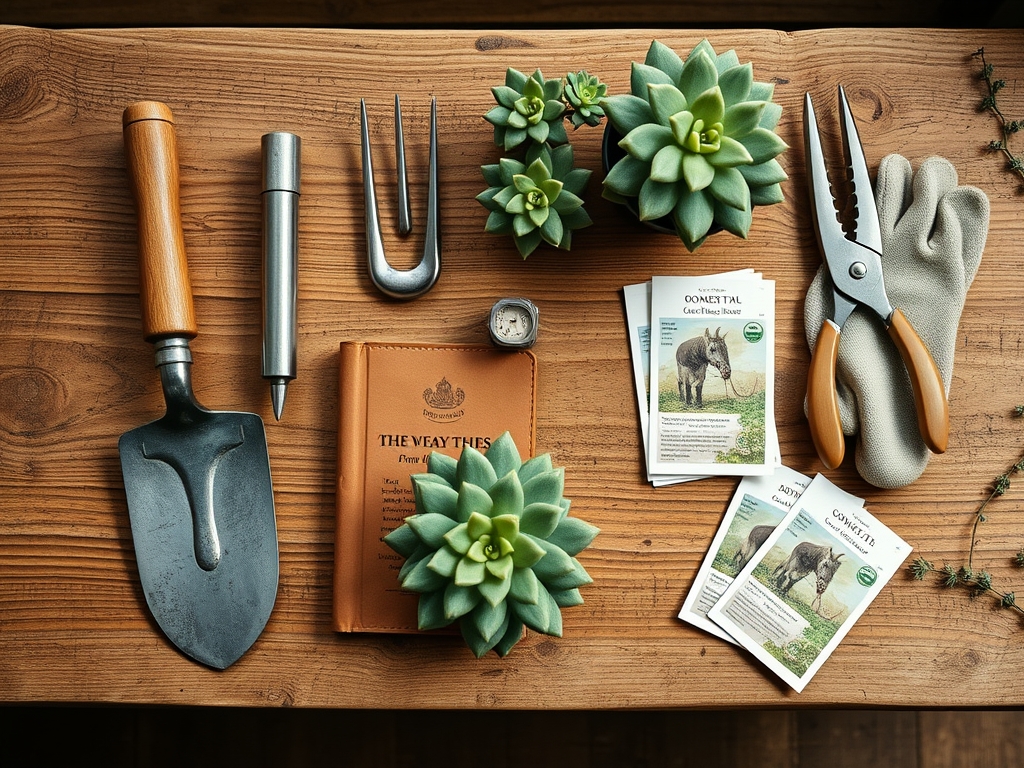
Substrate composition is the most critical variable for long term survival. You require a friable loam mixed with inorganic aggregates to ensure a rapid percolation rate. The ideal soil pH range is 6.0 to 7.0, which allows for optimal nutrient solubility.
- Substrate: 50% coarse poultry grit or perlite, 25% coconut coir, and 25% sterilized sandy loam.
- Nutrient Profile: A low-nitrogen fertilizer with an NPK ratio of 5-10-10 or 2-7-7. High nitrogen levels force rapid, weak growth that lacks the structural lignin required to support heavy trailing stems.
- Containers: Unglazed terracotta is preferred. The porous walls allow for lateral evaporation, preventing the buildup of stagnant moisture at the base of the root ball.
- Tools: A soil moisture meter for precise hydration monitoring and a hori-hori knife for separating offsets during propagation.
Timing:
Sedum morganianum is hardy in USDA Zones 9b through 11. In these regions, the plant can remain outdoors year round provided temperatures do not drop below 40 degrees Fahrenheit (4.5 degrees Celsius). In cooler zones, the biological clock is dictated by the photoperiod.
The vegetative growth phase occurs primarily from early spring through late summer. During this window, the plant requires consistent light for 10 to 12 hours a day. As the photoperiod shortens in autumn, the plant enters a semi-dormant state. Metabolic activity slows significantly. This transition is essential for the plant to conserve energy. Attempting to force growth during the winter months through over-fertilization often results in physiological stress and increased susceptibility to fungal pathogens.
Phases:

Sowing and Propagation
Propagation is most effective via leaf or stem cuttings rather than seed. Remove a healthy leaf with a clean pull, ensuring the meristematic tissue at the base remains intact. Place the leaf on a dry substrate for three days to allow a callus to form. This protective layer prevents pathogens from entering the vascular system.
Pro-Tip: Callusing is a form of wound-induced lignification. By allowing the wound to dry, you trigger the production of suberin; this biopolymer acts as a barrier against moisture loss and soil-borne bacteria.
Transplanting
When moving a rooted cutting or a nursery plant, minimize root disturbance. The root system of a donkey tail is shallow and fibrous. Place the plant in the center of the pot and backfill with the dry mineral mix. Do not water immediately. Wait 48 to 72 hours to allow any micro-fractures in the roots to heal.
Pro-Tip: This delay in watering prevents osmotic shock. If water enters damaged root tissue too quickly, it can cause the cells to burst, leading to localized necrosis and eventual root rot.
Establishing
During the first six weeks, focus on light acclimation. Start the plant in bright, indirect light and gradually move it to a position that receives at least 4 to 6 hours of direct morning sun. Monitor the "bloom," which is the epicuticular wax coating the leaves. This wax reflects excess UV radiation and reduces transpiration.
Pro-Tip: The production of epicuticular wax is a photoprotective response. If the plant is moved too quickly from shade to sun, it cannot produce this wax fast enough, resulting in permanent solar scarring or "sunburn" on the leaf surface.
The Clinic:
Physiological disorders in succulents are often the result of environmental imbalances rather than biotic agents.
- Symptom: Leaf Abscission (Dropping leaves easily).
- Solution: This is often a response to physical trauma or sudden changes in humidity. If the leaves are firm but falling, reduce handling. If they are mushy, it indicates over-watering.
- Symptom: Nitrogen Chlorosis (Yellowing of older leaves).
- Fix-It: Apply a diluted 5-10-10 liquid fertilizer. Nitrogen is a mobile nutrient; the plant pulls it from older leaves to support new growth when soil levels are depleted.
- Symptom: Etiolation (Stretched, pale stems).
- Solution: Increase light intensity. Once a stem has etiolated, it cannot shrink. You must prune the leggy growth using bypass pruners and move the plant to a location with higher PAR (Photosynthetically Active Radiation) values.
- Symptom: Edema (Corky, raised bumps on leaves).
- Solution: This occurs when the plant takes up water faster than it can transpire it. Improve air circulation and reduce watering frequency during periods of high humidity.
Maintenance:
Precision is the hallmark of a master horticulturist. Use a soil moisture meter to ensure the substrate is dry to a depth of 2 inches before adding water. When you do water, apply it until it runs freely from the drainage holes; this flushes out accumulated mineral salts that can increase soil salinity and hinder water uptake.
In the peak of summer, the plant may require a deep soak once every 10 to 14 days. In winter, this frequency should be reduced to once every 4 to 6 weeks. Avoid overhead watering. Water trapped between the tightly packed leaves can lead to fungal infections. Use a long-necked watering can to apply water directly to the soil surface at the drip line. For maintenance pruning, use sterilized bypass pruners to remove spent flower stalks or to shape the plant. Always prune just above a leaf node to encourage branching.
The Yield:
While not an edible crop, the "yield" of a donkey tail succulent is its aesthetic biomass and potential for propagation. A mature specimen can produce trails over 3 feet long. To maintain the integrity of these trails, avoid moving the pot once the plant is established. The weight of the water-filled leaves makes the stems brittle.
If you are harvesting cuttings for new plants, select stems that are at least 4 inches long. Use a sharp, sterilized blade to make a clean cut. Remove the bottom 1 inch of leaves to expose the nodes. These nodes contain the highest concentration of undifferentiated cells, which will readily transform into roots when placed in a well-draining medium.
FAQ:
How much light does a donkey tail need?
They require 6 hours of bright, indirect sunlight daily. In northern latitudes, a south-facing window is ideal. Without sufficient light, the plant will experience etiolation, resulting in weak, spaced-out leaves and pale stem coloration.
Why are the leaves on my succulent falling off?
Donkey tails are highly sensitive to physical touch. However, if leaves fall without contact, it usually indicates over-saturation of the substrate. Check for root rot and ensure the soil has a high inorganic content for rapid drainage.
What is the best fertilizer for Sedum morganianum?
Use a balanced, water-soluble fertilizer diluted to half-strength. An NPK ratio of 5-10-10 is preferred. Apply only during the active growing season (spring and summer) to support cellular development without causing excessive, weak growth.
How often should I water my donkey tail?
Water only when the soil is completely dry. Typically, this is every 10 to 14 days in summer and every 30 to 40 days in winter. Use a moisture meter to verify the substrate's internal hydration levels before watering.
What temperature is too cold for these succulents?
Temperatures below 40 degrees Fahrenheit (4.5 degrees Celsius) can cause cellular damage. These plants are not frost-hardy. If a freeze is predicted, move outdoor containers inside to a controlled environment to prevent ice crystal formation within the leaf tissues.