10 Pro Tips How to Care for Nerve Plant Fittonia
The scent of damp peat and the distinct metallic tang of mineral-rich water define the environment required for Fittonia albivenis. A healthy specimen exhibits high turgor pressure; its leaves feel firm and leathery rather than flaccid. Mastering how to care for nerve plant fittonia requires an understanding of tropical forest floor dynamics where light is filtered and humidity remains constant at 60 percent or higher. Success depends on maintaining a delicate hydraulic balance within the plant vascular system.
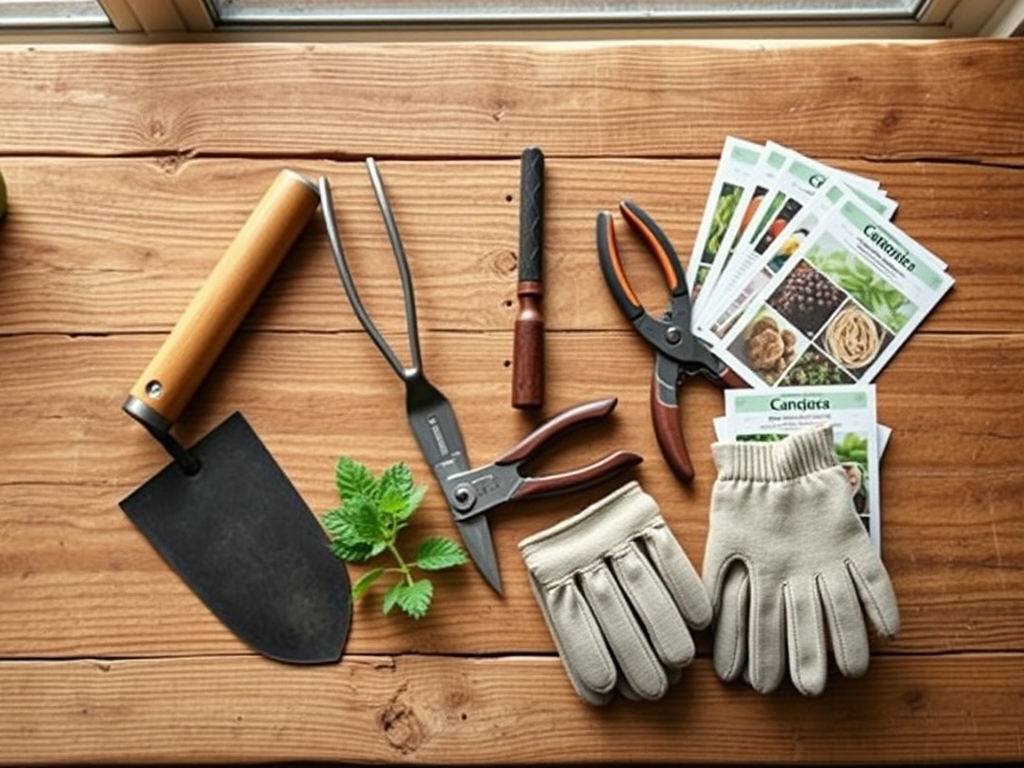
Materials:
The substrate must be a friable loam with a high Cation Exchange Capacity (CEC) to retain nutrients while allowing for rapid gas exchange in the rhizosphere. Aim for a soil pH between 5.5 and 6.5. This acidity ensures that micronutrients like iron and manganese remain bioavailable.
For nutritional support, utilize a water-soluble fertilizer with an NPK ratio of 5-5-5 or 10-10-10 diluted to half strength. High nitrogen levels support the foliar expansion necessary for these low-light specialists. The physical medium should consist of two parts peat moss or coconut coir, one part perlite for aeration, and one part pine bark to mimic the organic detritus of the Peruvian rainforest.
Timing:
Fittonia are indigenous to tropical regions and are strictly restricted to USDA Hardiness Zones 11 and 12. They cannot survive temperatures below 55 degrees Fahrenheit. The biological clock of the Fittonia is governed by a consistent photoperiod of 12 to 14 hours.
In temperate climates, the active vegetative stage occurs from late March through September. During this window, metabolic rates peak and the plant requires consistent moisture. Growth slows significantly during the winter solstice when light intensity drops. Avoid propagation or heavy pruning during this dormant phase to prevent unnecessary physiological stress and slow recovery times.
Phases:
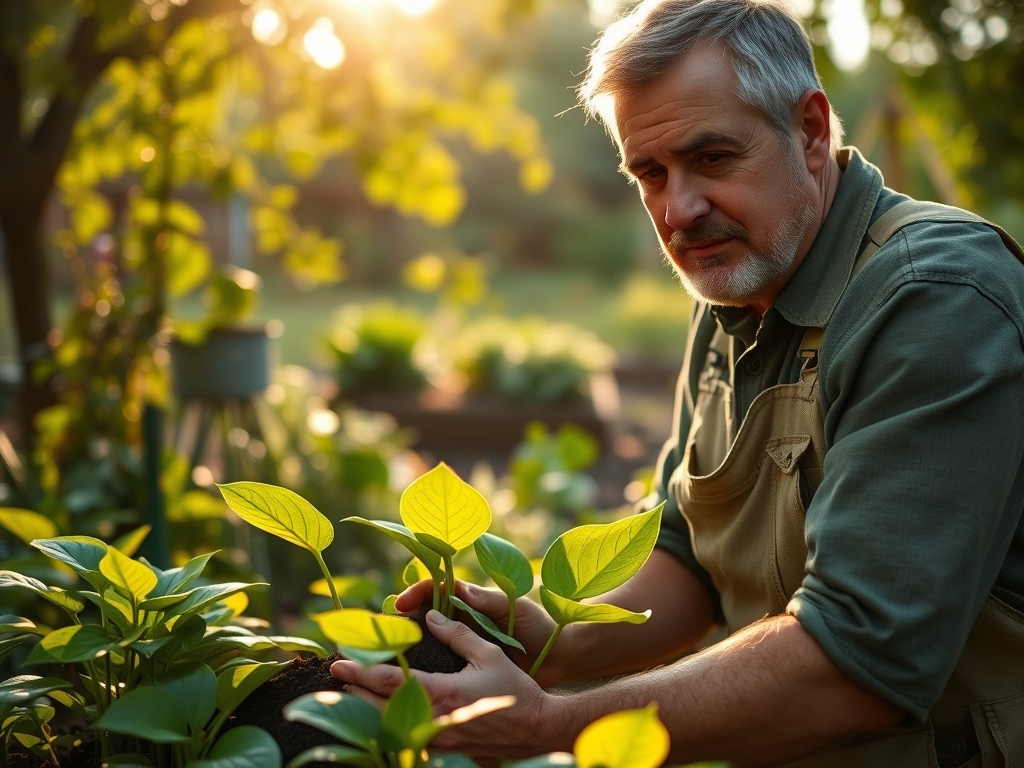
Sowing and Propagation
Fittonia are rarely grown from seed in a domestic setting; instead, they are propagated via stem tip cuttings. Take a 2 to 3 inch cutting with at least two nodes present. Place the cutting in a sterile, moist medium.
Pro-Tip: Dip the cut end in a rooting hormone containing Indole-3-butyric acid (IBA). This synthetic auxin triggers the differentiation of undifferentiated parenchyma cells into adventitious roots, accelerating the establishment of a functional root system.
Transplanting
When the root system has filled the current vessel, transplant into a container only 1 to 2 inches wider. Ensure the new pot has adequate drainage holes to prevent anaerobic conditions in the root zone.
Pro-Tip: Incorporate endomycorrhizal fungi into the transplant hole. This symbiotic relationship extends the reach of the root system through fungal hyphae, significantly increasing the surface area for phosphorus absorption and water uptake.
Establishing
During the first 14 days post-transplant, maintain a constant humidity of 70 percent. The plant is most vulnerable to desiccation during this phase as the root-to-leaf ratio is often unbalanced.
Pro-Tip: Avoid direct solar radiation. Fittonia utilize "shade-avoidance" responses; however, their thin cuticles cannot withstand the high photon flux density of direct sun. This leads to photo-oxidation, where chlorophyll molecules are destroyed by excess light energy.
The Clinic:
Symptom: Severe Wilting (Fainting)
Solution: This is a loss of turgor pressure due to transpiration exceeding water uptake. Submerge the pot in room temperature water for 15 minutes. The plant will usually recover within two hours once the xylem cells are refilled.
Symptom: Yellowing Lower Leaves (Nitrogen Chlorosis)
Solution: Nitrogen is a mobile nutrient. When the plant lacks sufficient N, it pulls the element from older leaves to support new growth. Apply a 10-10-10 liquid fertilizer at 50 percent strength to the soil surface.
Symptom: Crispy Leaf Margins
Solution: This indicates low ambient humidity or high salts in the substrate. Flush the soil with distilled water to leach excess minerals and move the plant to a terrarium or near a humidifier to maintain 60 percent humidity.
Symptom: Stem Rot (Pythium)
Solution: This fungal pathogen thrives in saturated, oxygen-deprived soil. Immediately reduce irrigation frequency and improve soil porosity. If the base is mushy, take healthy tip cuttings and discard the infected root ball and soil.
Maintenance:
Precision is required for long term health. Use a soil moisture meter to ensure the substrate never drops below a "4" on a scale of 1 to 10. Generally, provide 1.5 inches of water per week applied directly to the soil to avoid wetting the foliage, which can encourage fungal spores.
Pruning is essential to prevent leggy growth and maintain a compact habit. Use sharp bypass pruners to cut just above a leaf node. This removes apical dominance, allowing lateral buds to develop. If the soil surface becomes compacted, use a hori-hori knife to gently scarify the top half-inch of the substrate, which improves oxygen penetration to the upper rhizosphere.
The Yield:
While Fittonia are grown for foliage rather than harvest, the "yield" is measured in the density and color saturation of the leaf veins. To maintain peak aesthetic quality, pinch off the small, inconspicuous flower spikes as soon as they appear. Flowering signals the beginning of senescence in many tropical perennials; by removing the reproductive structures, the plant redirects its energy (carbohydrates) back into foliar development. For "day-one" freshness in a display, wipe the leaves with a damp microfiber cloth to remove dust that can inhibit photosynthesis.
FAQ:
Why is my nerve plant drooping so suddenly?
Fittonia are highly sensitive to moisture levels. When the substrate dries, the plant loses turgor pressure and collapses. This is a defensive mechanism to reduce surface area for transpiration. Thoroughly saturate the soil to restore hydraulic pressure.
How much light does a nerve plant need?
Fittonia require bright, indirect light between 100 and 250 foot-candles. Direct sunlight will scorch the thin leaf tissues, while too little light causes the plant to become leggy as it searches for a viable light source.
Can I grow Fittonia in a closed terrarium?
Yes, Fittonia thrive in the high-humidity, stable-temperature environment of a closed terrarium. The recycled moisture cycle mimics their natural habitat. Ensure the medium is well-draining to prevent root rot in the enclosed space.
What is the best fertilizer for Fittonia?
Use a balanced, water-soluble fertilizer with an NPK ratio like 5-5-5. Apply every four weeks during the growing season at half strength. Avoid high-salt fertilizers, as Fittonia are sensitive to mineral buildup in the root zone.
How do I make my nerve plant bushier?
Regularly pinch back the growing tips using your fingernails or bypass pruners. Removing the terminal bud suppresses apical dominance and forces the plant to distribute growth hormones to lateral buds, resulting in a denser, more compact form.