9 Vital Steps to Calathea Medallion Tips
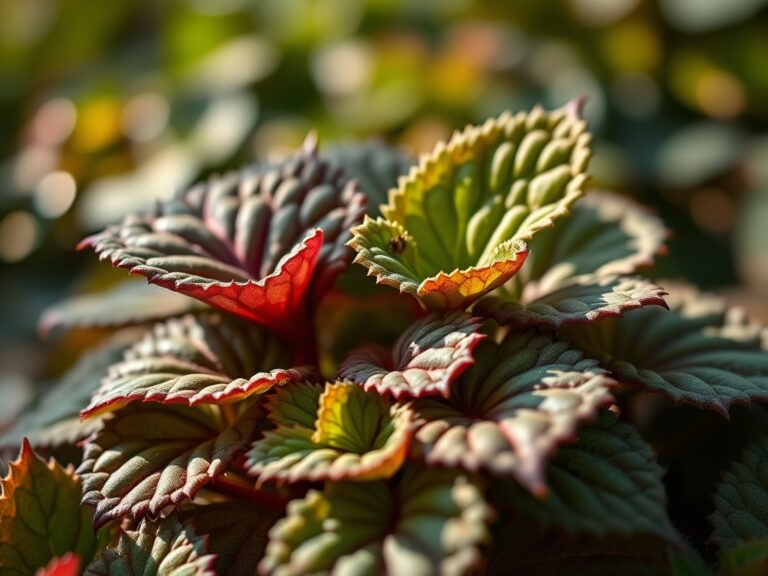
The smell of damp peat and the crisp snap of a leaf with high turgor pressure define the workspace of a serious indoor horticulturalist. Maintaining the structural integrity of a Calathea veitchii 'Medallion' requires more than casual observation; it demands a rigorous adherence to the steps to calathea medallion tips for optimal foliar health. When the plant maintains proper hydraulic pressure, the leaves stand erect and display their characteristic nyctinastic movements. Failure to regulate the rhizosphere leads to immediate marginal necrosis.
Success with this species depends on managing the atmospheric moisture and the chemical composition of the substrate. The Medallion is a bio-indicator of environmental stress. If the humidity drops below 55 percent, the plant begins a process of rapid transpiration that the root system cannot match. This guide provides the technical framework to ensure your specimen thrives through precise nutrient management and environmental control.
Materials:
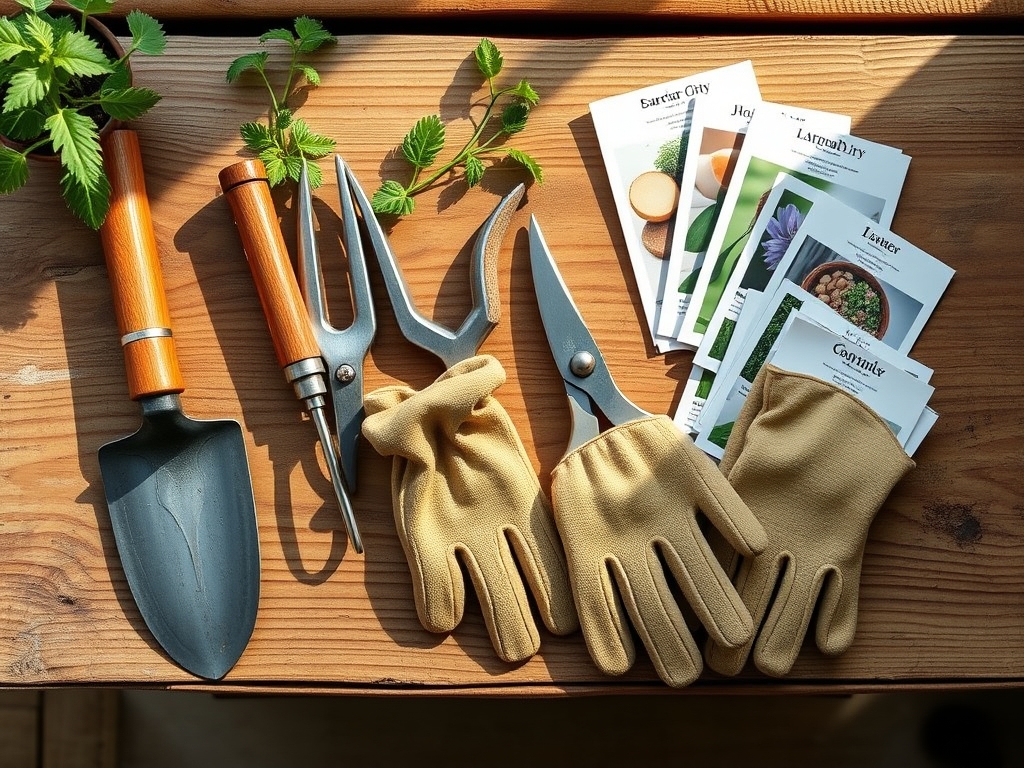
The substrate must be a friable loam with high organic matter to facilitate a high Cation Exchange Capacity (CEC). Calathea Medallion requires a soil pH between 5.5 and 6.5. A specialized mix consists of two parts peat moss, one part perlite, and one part orchid bark to ensure macro-pore space for oxygen diffusion.
For fertilization, utilize a water-soluble NPK ratio of 3-1-2. This ratio supports vegetative expansion without the salt buildup associated with high-phosphorus formulas. Avoid synthetic fertilizers with high fluoride or boron content; these elements accumulate in the leaf tips and cause localized cell death. Ensure your watering can contains only distilled or reverse-osmosis water to keep the electrical conductivity (EC) of the soil low.
Timing:
Calathea Medallion is strictly a tropical understory plant, suited for USDA Hardiness Zones 10 through 12. In temperate climates, the biological clock is dictated by the photoperiod. During the spring and summer (the vegetative phase), the plant requires consistent moisture to support new rhizome shoots. As light levels decrease in autumn, the plant enters a period of slower metabolic activity.
The "Biological Clock" of the Medallion is sensitive to the 12-hour light cycle. To prevent premature senescence or dormancy, maintain a consistent indoor temperature between 65 and 80 degrees Fahrenheit. If temperatures drop below 60 degrees Fahrenheit, the plant halts all nutrient uptake, leading to root rot even if the soil is not overly saturated.
Phases:
Sowing and Propagation
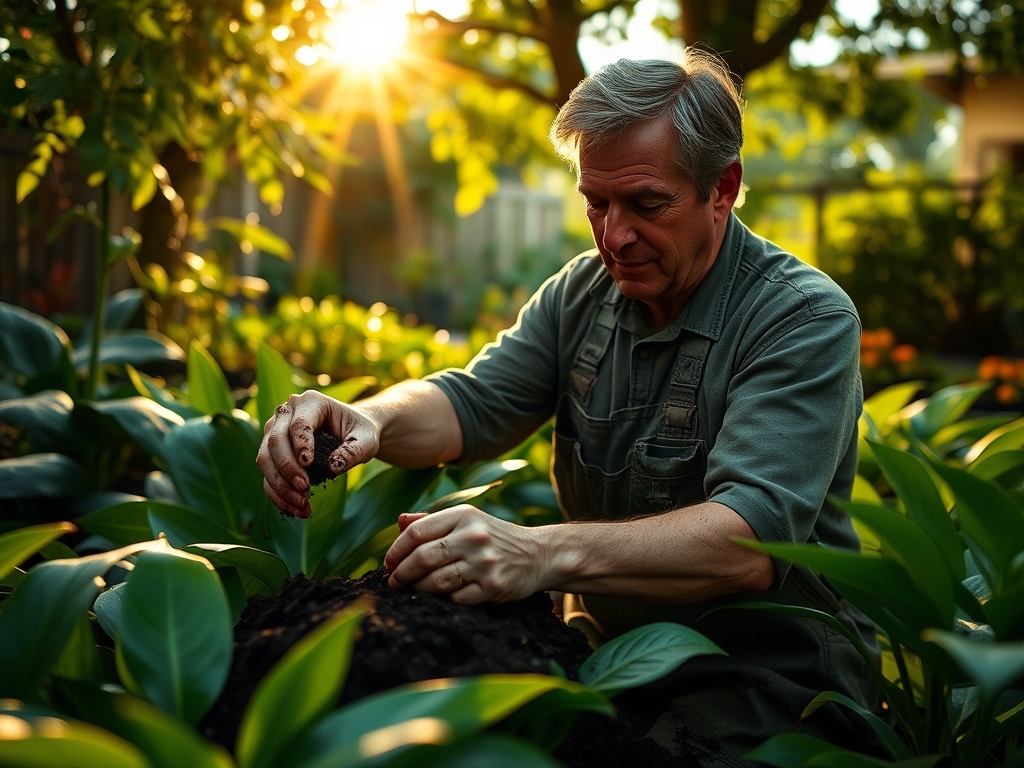
Calathea Medallion is rarely grown from seed in a domestic setting; instead, it is propagated through rhizome division. During the early spring, identify a healthy mother plant with at least five distinct stems. Use a sterilized hori-hori knife to slice through the rhizome, ensuring each division has a developed root system and at least one leaf.
Pro-Tip: Ensure the new division is treated with a mycorrhizal inoculant. This establishes a mycorrhizal symbiosis that increases the surface area of the roots, allowing for more efficient phosphorus and micronutrient uptake during the critical establishment phase.
Transplanting
When moving a division to a new vessel, choose a pot only 2 inches wider than the root ball. Excessive soil volume leads to "perched water tables," where the bottom of the pot remains anaerobic. Place the rhizome at the same depth it was previously growing. Burying the petioles too deep leads to crown rot.
Pro-Tip: Avoid packing the soil too tightly. Maintaining soil porosity is essential for gas exchange. If the soil is compacted, the roots suffer from hypoxia, which triggers the release of ethylene and causes leaf yellowing.
Establishing
The first 21 days post-transplant are critical. Keep the specimen in a location with a light intensity of 75 to 150 foot-candles. High light levels during this phase will lead to photo-inhibition and scorched pigments.
Pro-Tip: Utilize a humidity dome or a dedicated humidifier to keep the ambient air at 70 percent humidity. This reduces the transpiration rate, allowing the plant to focus its energy on root development rather than maintaining leaf turgor. This is an example of auxin suppression where the plant prioritizes root growth over apical dominance.
The Clinic:
Symptom: Marginal Leaf Necrosis (Brown Tips)
Solution: This is typically caused by high salt accumulation or low humidity. Flush the substrate with three liters of distilled water for every one liter of soil volume to leach out excess minerals. Increase the ambient humidity immediately.
Symptom: Nitrogen Chlorosis (Pale Yellow Leaves)
Solution: If the older leaves turn a uniform pale yellow, the plant is scavenging nitrogen for new growth. Apply a half-strength 10-10-10 liquid fertilizer to restore the nitrogen levels in the rhizosphere.
Symptom: Leaf Curling and Inward Folding
Solution: This is a defense mechanism against excessive light or extreme drought. Check the soil with a soil moisture meter. If the meter reads below level 3, saturate the soil until water drains freely from the bottom.
Fix-It: Iron Deficiency
If new leaves emerge yellow with green veins (interveinal chlorosis), the soil pH is likely too high, locking out iron. Lower the pH by adding a small amount of elemental sulfur or peat-based top dressing to return the substrate to a pH of 6.0.
Maintenance:
Precision is the difference between a surviving plant and a thriving one. Provide exactly 1.5 inches of water per week, distributed evenly across the soil surface. Use a soil moisture meter to ensure the top 1 inch of soil has dried before re-watering, but never allow the root ball to desiccate completely.
Pruning should be performed with bypass pruners that have been wiped with 70 percent isopropyl alcohol. Remove only the leaves that have reached more than 50 percent senescence to allow the plant to reabsorb mobile nutrients from the dying tissue. Wipe the broad leaves weekly with a damp microfiber cloth to remove dust, which can block stomata and reduce photosynthetic efficiency by up to 30 percent.
The Yield:
While the Medallion is grown for its foliage rather than a harvestable crop, the "yield" is measured in the production of new, healthy leaves. To maintain "day-one" freshness of the foliage, ensure the plant is never placed in the direct path of HVAC vents. The rapid movement of dry air strips the boundary layer of moisture from the leaf surface, leading to immediate browning. If you must move the plant for display, ensure the transition is gradual to prevent environmental shock.
FAQ:
How do I stop my Calathea Medallion tips from browning?
Use distilled water to prevent mineral toxicity and maintain humidity above 60 percent. Ensure the soil stays consistently moist but never waterlogged. Avoid fertilizers with high fluoride or boron concentrations which accumulate in leaf margins.
What is the best light for Calathea Medallion?
Provide filtered, indirect light between 75 and 150 foot-candles. Direct sunlight will destroy the chlorophyll and cause permanent scorching. North or East-facing windows are generally ideal for maintaining the dark green and purple pigments.
How often should I fertilize?
Apply a balanced 3-1-2 liquid fertilizer at half-strength every four weeks during the active growing season (spring and summer). Cease fertilization during the winter months when the plant's metabolic rate slows to prevent salt buildup in the rhizosphere.
Why are my Calathea leaves drooping?
Drooping is usually caused by low turgor pressure due to underwatering or low humidity. However, if the soil is wet, it indicates root rot. Check the roots for a firm texture; mushy, brown roots require immediate surgical removal and repotting.