5 Expert Ways How to Care for Calathea Orbifolia
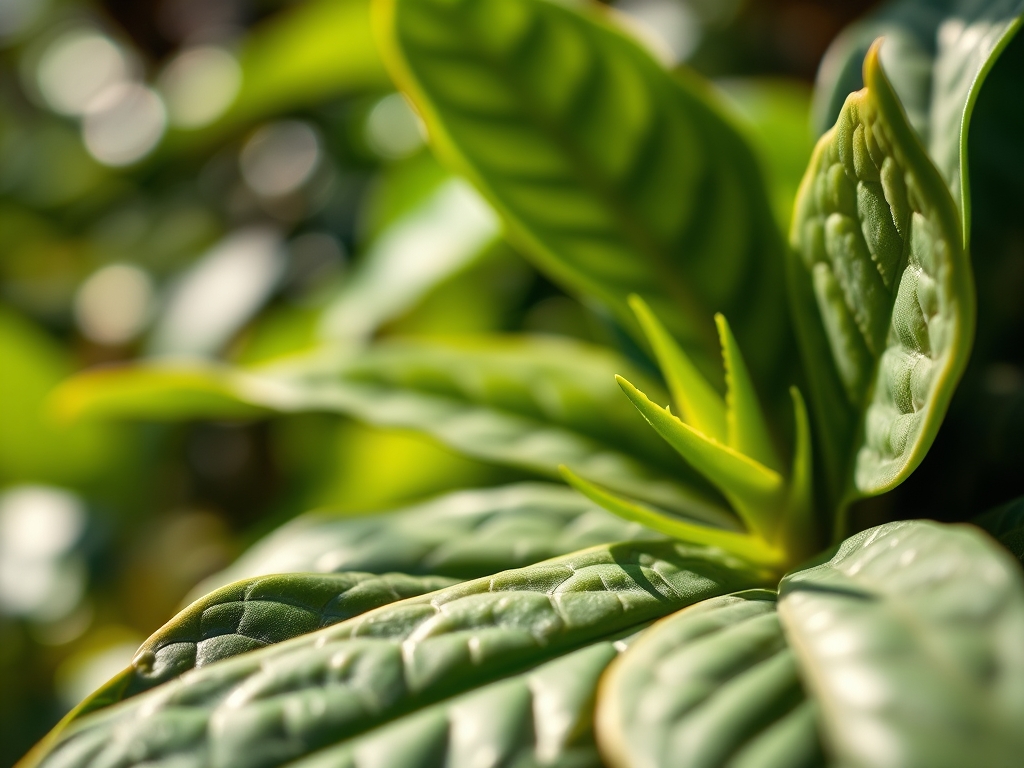
Maintaining high turgor pressure in the oversized, silver-veined foliage of a Calathea orbifolia requires more than casual attention; it demands a precise mastery of the rhizosphere and atmospheric humidity. When you handle a healthy specimen, the leaves feel like thick, cool parchment rather than limp silk. Success in understanding how to care for calathea orbifolia depends on replicating the dappled, humid understory of the Bolivian rainforest where light intensity remains below 1,000 foot-candles.
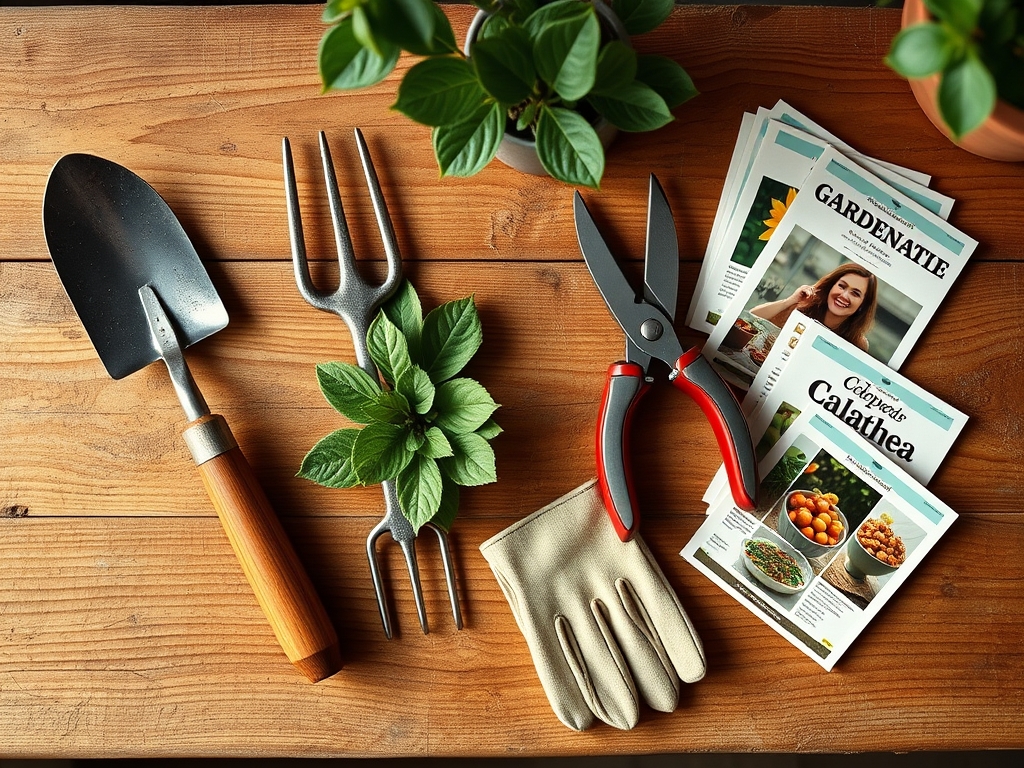
Materials:
The substrate must be a friable loam that balances high porosity with significant water retention. Aim for a soil pH between 5.5 and 6.5 to ensure optimal nutrient bioavailability. A custom mix should consist of two parts peat moss or coco coir, one part perlite, and one part orchid bark to facilitate gas exchange at the root level.
Nutrient requirements are specific; use a water-soluble fertilizer with an NPK ratio of 3-1-2. This high-nitrogen ratio supports the expansive leaf surface area without inducing the salt stress that higher phosphorus formulas might trigger. Ensure your potting vessel has adequate drainage to prevent anaerobic conditions, which lead to root senescence. The Cation Exchange Capacity (CEC) of your mix should be high enough to hold onto ammonium and potassium ions while allowing excess mineral salts to flush through during irrigation cycles.
Timing:
While Calathea orbifolia is strictly an indoor specimen in most climates, it thrives in USDA Hardiness Zones 10 through 12. If maintained in a temperature-controlled environment, the biological clock of the plant is governed by the photoperiod. During the active growing season from March through September, the plant requires consistent moisture and monthly fertilization.
Growth slows significantly when ambient temperatures drop below 65 degrees Fahrenheit. You must synchronize your repotting schedule with the spring equinox. This timing allows the plant to utilize increasing light levels to fuel the metabolic demands of root recovery. Avoid any major structural disturbances during the winter dormancy phase; the plant's reduced transpiration rate makes it highly susceptible to fungal pathogens in cool, damp soil.
Phases:

Sowing and Propagation
Calathea orbifolia does not grow reliably from seed in a domestic setting. Propagation is achieved through rhizome division. During the spring repotting phase, identify a healthy clump with at least three established leaves. Use a sterilized hori-hori knife to slice through the rhizome, ensuring each section has a robust root system.
Pro-Tip: Maintain high humidity around the new division to prevent desiccation. The biological why involves turgor pressure maintenance; until the severed roots establish new capillary connections with the soil, the plant cannot replace water lost through its massive leaf stomata.
Transplanting
When the roots begin to circle the perimeter of the pot, move the plant to a container only two inches wider in diameter. Gently loosen the outer roots to encourage lateral growth into the new substrate. Deep planting is a common error. Ensure the crown of the plant sits exactly at the soil line to prevent petiole rot.
Pro-Tip: Introduce a concentrated mycorrhizal inoculant to the root ball during transplanting. This fosters a mycorrhizal symbiosis where fungal hyphae extend the reach of the root system, significantly increasing the uptake of phosphorus and micronutrients.
Establishing
The establishment phase lasts approximately six weeks. During this window, keep the plant in a location with a consistent temperature of 72 to 78 degrees Fahrenheit. Monitor the soil moisture daily using a soil moisture meter, keeping the needle in the "moist" rather than "wet" zone.
Pro-Tip: Avoid rotating the plant excessively during the first month. Calathea leaves exhibit nyctinasty, moving up at night and down during the day. Frequent changes in light direction force the plant to expend excessive energy on pulvinus cell adjustment rather than root development.
The Clinic:
Symptom: Marginal Leaf Necrosis
If the edges of the leaves turn brown and crispy, the cause is usually low humidity or high fluoride levels in the water.
Solution: Maintain a constant humidity level of at least 60 percent. Switch to distilled or reverse-osmosis water to eliminate chemical salts that accumulate in the leaf margins.
Symptom: Nitrogen Chlorosis
This appears as a general paling or yellowing of the older, lower leaves while the veins remain slightly darker.
Fix-It: Apply a half-strength 10-10-10 liquid fertilizer to provide immediate nitrate availability. Ensure the soil pH has not drifted above 7.0, as this can lock out essential nutrients.
Symptom: Leaf Spotting (Fungal)
Small, water-soaked spots on the foliage indicate a fungal infection, often caused by poor air circulation.
Solution: Increase airflow using a small fan, but do not aim it directly at the plant. Treat the foliage with a copper-based fungicide and remove severely infected leaves using bypass pruners.
Maintenance:
Precision irrigation is the cornerstone of Calathea health. Provide approximately 1.5 inches of water per week, distributed evenly across the soil surface. Never water on a fixed schedule; instead, wait until the top 0.5 inch of soil feels dry to the touch. Use a soil moisture meter to verify that the bottom of the pot is not waterlogged.
Pruning should be minimal. Only remove leaves that have reached full senescence or show signs of disease. Use sterilized bypass pruners to make clean cuts at the base of the petiole. To maintain the aesthetic and functional health of the foliage, wipe the leaves every two weeks with a damp microfiber cloth. This removes dust that blocks the stomata and inhibits the photosynthetic rate. If you notice a "sticky" residue, inspect the undersides of the leaves for spider mites, which thrive in dry conditions.
The Yield:
While the Calathea orbifolia is not an edible crop, its "yield" is measured in the production of massive, pristine foliage. To maximize leaf size, provide bright, filtered light equivalent to 200 to 400 foot-candles. If the silver banding begins to fade, the plant is likely receiving too much light, causing a degradation of chlorophyll and protective pigments.
For those using the foliage in floral arrangements, cut the petiole at a 45-degree angle and immediately submerge it in room-temperature water. To maintain "day-one" freshness, mist the underside of the leaf to support hydration through the stomata, as the vascular system of a severed leaf struggles to pull sufficient water to the wide margins.
FAQ:
Why are the edges of my Calathea orbifolia turning brown?
Brown edges usually indicate low atmospheric humidity or a buildup of minerals from tap water. Maintain humidity above 60 percent and use distilled or filtered water to prevent salt accumulation in the leaf tissues.
How much light does a Calathea orbifolia need?
This species requires medium, filtered light between 150 and 400 foot-candles. Direct sunlight will scorch the leaves and cause the silver patterns to fade. A north-facing window or a position several feet from an east window is ideal.
How often should I fertilize my Calathea?
Apply a balanced, water-soluble fertilizer at half-strength every four weeks during the spring and summer. Do not fertilize during the winter months when the plant's metabolic rate slows and nutrient demand is minimal.
What is the best soil for Calathea orbifolia?
Use a well-draining, peat-based mix with a pH of 5.5 to 6.5. Incorporate perlite and orchid bark to ensure the substrate remains airy and prevents the anaerobic conditions that lead to root rot.