8 Best Begonia Rex Varieties for Color
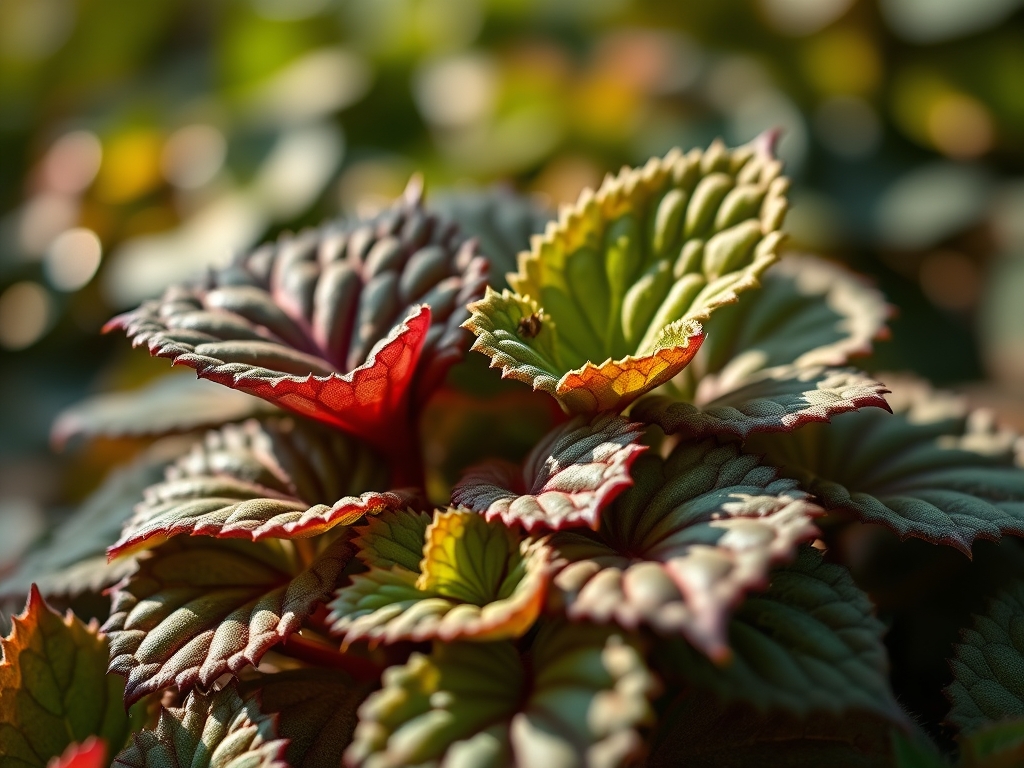
Damp peat moss and the sharp, metallic scent of wet perlite signal a high-functioning greenhouse environment. A healthy Rex begonia leaf displays a rigid turgor pressure; the cells are fully hydrated and push against the cell walls to maintain structural integrity. Selecting the best begonia rex varieties requires a precise understanding of anthocyanin expression and cellular morphology. These rhizomatous perennials are not merely decorative; they are complex biological machines that thrive in specific light spectra and high humidity. Cultivating them successfully demands a mastery of the rhizosphere and a strict adherence to environmental parameters.
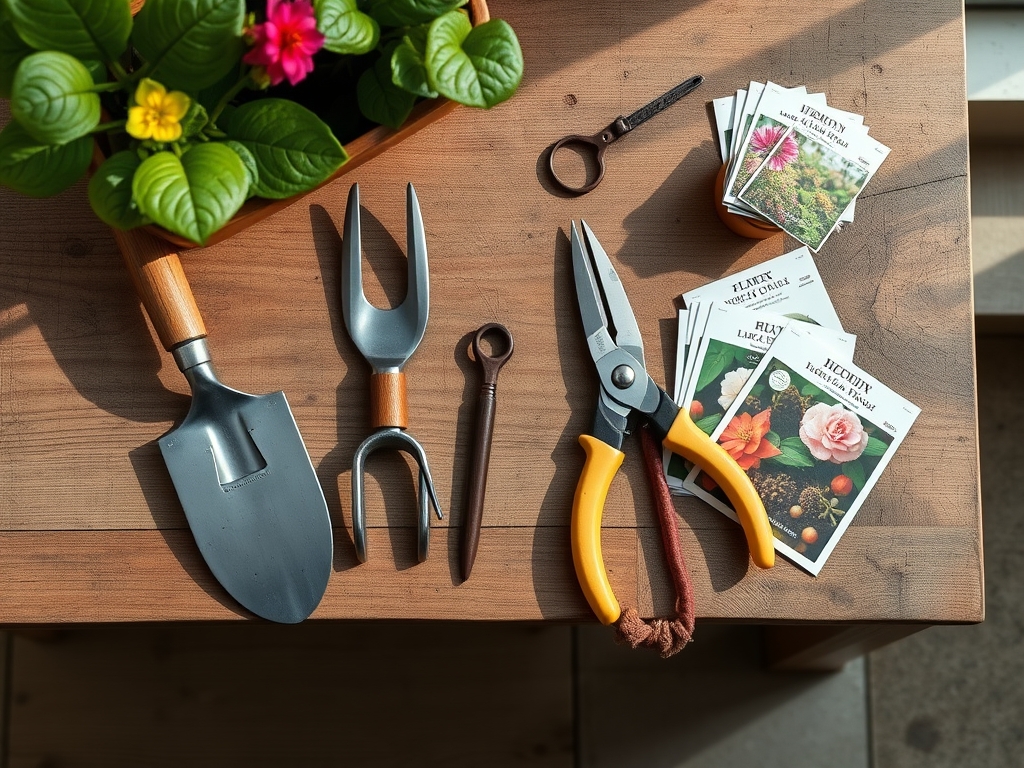
Materials:
The ideal substrate for Rex begonias is a friable loam with a high Cation Exchange Capacity (CEC). This allows the soil to retain essential nutrients like ammonium and potassium against leaching. Aim for a soil pH between 5.8 and 6.2. A slightly acidic environment ensures maximum bioavailability of micronutrients such as iron and manganese.
Use a specialized potting mix consisting of 50 percent peat moss, 25 percent perlite, and 25 percent vermiculite. During the active vegetative state, apply a water-soluble fertilizer with an NPK ratio of 10-10-10 or 20-20-20 at half strength every two weeks. For varieties where foliar color is the primary objective, a slightly higher nitrogen count helps maintain chlorophyll density in the non-pigmented areas of the leaf. Ensure the substrate remains porous to prevent anaerobic conditions that lead to root rot.
Timing:
Rex begonias are typically hardy in USDA Zones 10 through 12. In cooler climates, they must be treated as indoor specimens or moved inside when ambient temperatures drop below 55 degrees Fahrenheit. The biological clock of the Rex begonia is governed by the photoperiod. As day lengths shorten, the plant enters a period of reduced metabolic activity.
Initiate propagation in early spring, approximately four to six weeks before the last frost date, to take advantage of increasing natural light. This timing aligns with the plant's transition from semi-dormancy to active vegetative growth. During this phase, the production of auxins at the apical meristems increases; this stimulates new leaf development and rhizome expansion.
Phases:

Sowing and Propagation
Rex begonias are rarely grown from seed due to genetic variability; leaf cuttings are the standard. Select a mature, healthy leaf and make incisions across the primary veins on the underside. Place the leaf flat on a moist substrate of sterile sand and peat. Secure the leaf with U-shaped pins to ensure direct contact.
Pro-Tip: Maintain a consistent temperature of 70 to 75 degrees Fahrenheit. This heat triggers the formation of adventitious buds at the site of the vein incisions. This occurs because the physical damage disrupts the flow of polar auxins, signaling the plant to redirect energy toward wound healing and new tissue differentiation.
Transplanting
Transplant young plantlets once they have developed at least three true leaves and a robust root system of approximately two inches in length. Use a clean pot that is only one size larger than the current root ball to prevent excess moisture retention in unoccupied soil.
Pro-Tip: Inoculate the new substrate with mycorrhizal fungi. This symbiotic relationship extends the reach of the root system, increasing the surface area for water and phosphorus absorption. The fungi receive carbohydrates from the begonia in exchange for these minerals, creating a more resilient specimen.
Establishing
During the first 21 days post-transplant, focus on high humidity levels (above 60 percent) to minimize transpirational stress. Use a soil moisture meter to ensure the medium remains damp but not saturated.
Pro-Tip: Avoid overhead watering to prevent the accumulation of moisture on the foliage. Standing water on the leaves can lead to the germination of fungal spores. Instead, water at the base of the plant to maintain a dry phyllosphere while keeping the rhizosphere hydrated.
The Clinic:
Physiological disorders in Rex begonias often manifest as visual cues on the foliage.
-
Symptom: Interveinal chlorosis (yellowing between green veins).
Solution: This indicates a Magnesium deficiency or an improper pH level.
Fix-It: Check the soil pH. If it is above 6.5, apply a chelated iron and magnesium supplement to restore nutrient uptake. -
Symptom: Marginal leaf burn or necrosis.
Solution: This is often caused by low humidity or the accumulation of soluble salts from fertilizers.
Fix-It: Flush the soil with distilled water to leach excess salts and increase local humidity using a pebble tray or humidifier. -
Symptom: Powdery mildew (white, flour-like spots).
Solution: This is a fungal infection favored by poor air circulation.
Fix-It: Increase spacing between plants and use a fan to improve airflow. Remove infected leaves with bypass pruners sterilized with 70 percent isopropyl alcohol. -
Symptom: Stunted growth and pale leaves.
Solution: Nitrogen chlorosis.
Fix-It: Apply a high-nitrogen fertilizer (NPK 30-10-10) at quarter strength to rapidly increase chlorophyll production.
Maintenance:
Precision is required for long-term health. Provide 1.5 inches of water per week, delivered directly to the soil at the drip line. Use a soil moisture meter daily; do not water if the meter reads above 40 percent moisture at a depth of two inches.
Pruning is essential for maintaining a compact form and preventing senescence. Use a hori-hori knife to divide overgrown rhizomes every two to three years. This rejuvenation pruning encourages the plant to produce fresh, more colorful foliage. When removing dead or dying leaves, use bypass pruners to make clean cuts at the base of the petiole. This prevents the jagged edges that serve as entry points for pathogens.
The Yield:
While Rex begonias are grown for foliage, they do produce small flowers. To maximize leaf size and color intensity, many growers remove these flower stalks as soon as they appear. This redirects the plant's metabolic energy from reproductive efforts (seed production) back into vegetative growth. If you choose to harvest leaves for floral arrangements, cut the petiole at a 45-degree angle and immediately submerge it in 65-degree Fahrenheit water. This maintains turgor and prevents air embolisms from forming in the xylem, ensuring the leaf remains crisp for up to ten days.
FAQ:
Which Rex Begonia has the best silver color?
The 'Silver Cloud' variety is superior. It features solid metallic silver leaves with contrasting dark green veins. Maintain high light levels, approximately 1500 to 2000 foot-candles, to preserve the intensity of the silver pigmentation.
How do I make my Rex Begonia colors more intense?
Control the light spectrum. Provide bright, indirect light with a focus on the blue and red wavelengths. Avoid direct afternoon sun, which can cause photo-oxidation and bleach the delicate anthocyanin pigments in the leaves.
Why are my Begonia Rex leaves curling?
Curling is typically a response to low humidity or pest pressure. If the humidity is below 50 percent, the plant curls its leaves to reduce the surface area exposed to dry air, thereby conserving internal moisture.
What is the best fertilizer for Rex Begonias?
A balanced, water-soluble fertilizer with micronutrients is best. Look for a 10-10-10 NPK ratio that includes chelated iron, zinc, and manganese. Apply at half-strength every two weeks during the spring and summer growing seasons.
Can Rex Begonias grow in full shade?
They require bright, indirect light for optimal color. In deep shade, the plant will produce more chlorophyll to compensate for low light, causing the unique reds, purples, and silvers to fade into a dull green.