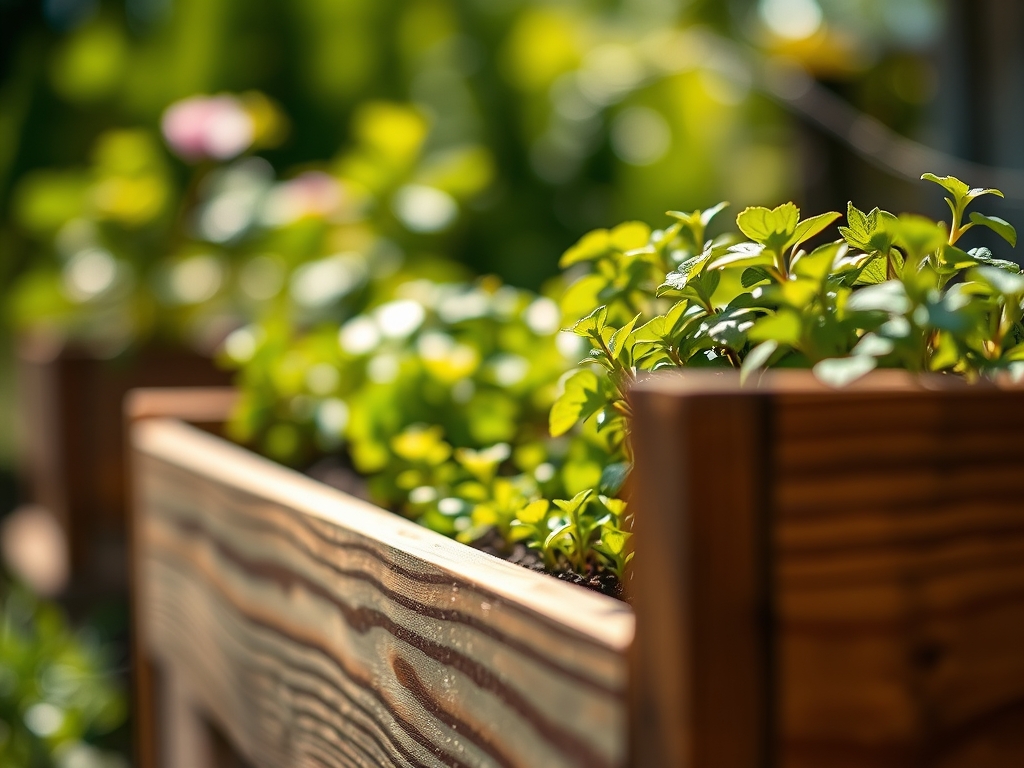
6 Easy Ways How to Build a Cedar Planter box
Crushing a handful of friable loam reveals the structural integrity of your growing medium; it should crumble under light pressure while retaining enough moisture to support cellular turgor. To achieve this level of botanical success, you must control the environment by learning how to build a cedar planter box. Western Red Cedar (Thuja plicata) contains natural thujaplicins, which are organic compounds that resist fungal decay and rot. This durability ensures that the rhizosphere remains stable for years. Constructing these vessels allows for precise management of soil temperature and drainage, which are critical factors for maximizing plant metabolic rates.
Materials:
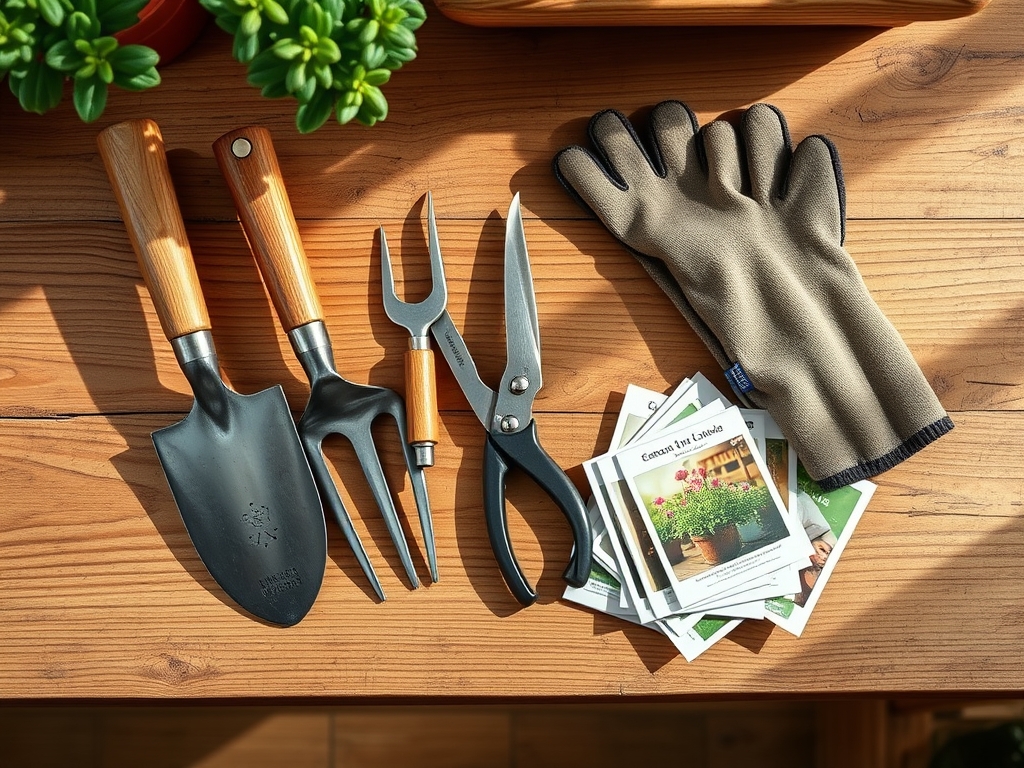
The construction requires **rough-sawn 1×6 or 2×6 cedar boards** and **3-inch stainless steel deck screws** to prevent galvanic corrosion. Once the box is built, the substrate selection determines the success of your harvest. Aim for a **soil pH between 6.0 and 7.0** to ensure optimal nutrient bioavailability. The ideal substrate is a **friable loam** consisting of 40 percent sand, 40 percent silt, and 20 percent clay.
For heavy feeders, incorporate a slow-release fertilizer with an NPK ratio of 10-10-10 during the initial mixing phase. If you are targeting leafy greens, increase the Nitrogen (N) component to 20-10-10 to stimulate vegetative growth. For flowering or fruiting species, a ratio of 5-10-10 supports Phosphorus (P) and Potassium (K) demands during the reproductive phase. High Cation Exchange Capacity (CEC) materials, such as compost or peat moss, should be integrated to hold these nutrients against the leaching effects of irrigation.
Timing:
Successful planting in a cedar box depends on your USDA Hardiness Zone. In Zones 5 through 7, the window for cool-season crops begins when soil temperatures consistently reach 45 degrees Fahrenheit. For warm-season cultivars, wait until the threat of frost has passed and the soil maintains a temperature of 65 degrees Fahrenheit.
The biological clock of the plant is governed by the photoperiod; the number of hours of light received in a 24-hour cycle. As days lengthen, plants transition from the vegetative stage to the reproductive stage. Monitoring the Growing Degree Days (GDD) allows you to predict harvest dates with mathematical precision. In a raised cedar box, soil warms approximately 7 to 10 days earlier than the surrounding ground, effectively extending your growing season.
Phases:
Sowing
Direct sow seeds at a depth equal to three times the diameter of the seed. Ensure the substrate remains moist to facilitate the imbibition of water through the seed coat. This triggers the metabolic processes necessary for germination.
Pro-Tip: Maintain consistent moisture to prevent the desiccation of the radicle. This supports geotropism, the physiological process where the root system grows downward in response to gravity, establishing a strong foundation in the rhizosphere.
Transplanting
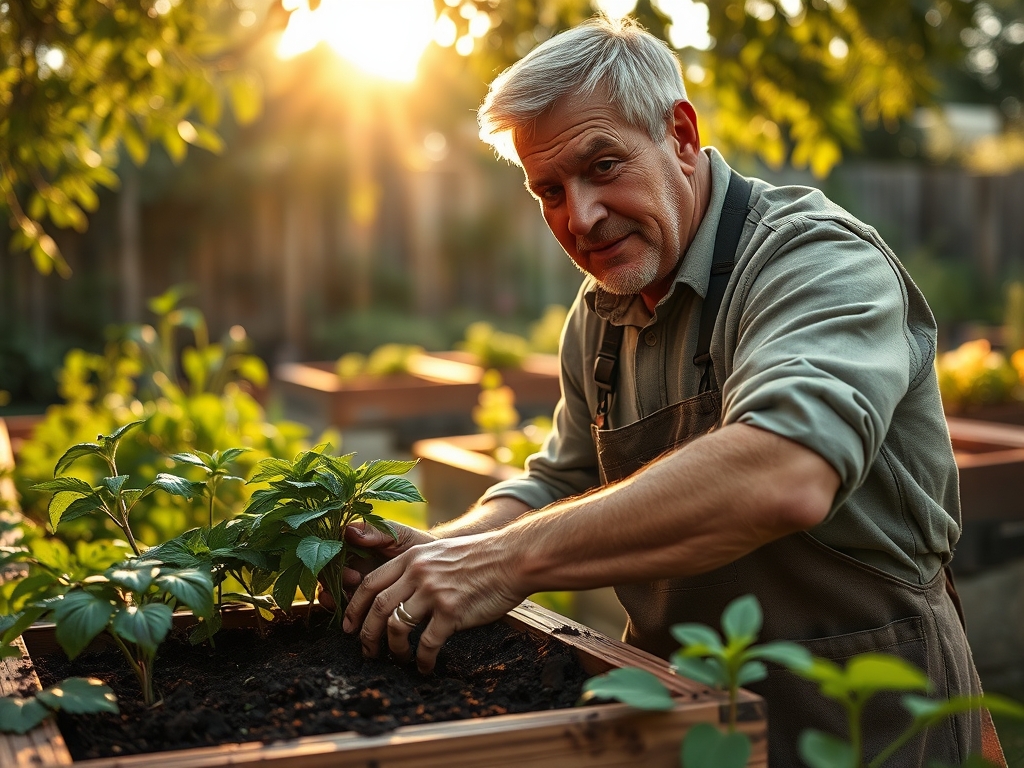
When moving seedlings from a nursery tray to your cedar box, handle the plant by the root ball or the "true leaves" rather than the delicate stem. Dig a hole twice the width of the root system to allow for easy expansion.
Pro-Tip: Inoculate the planting hole with mycorrhizal fungi. This establishes a mycorrhizal symbiosis where the fungi extend the root system's reach, increasing the uptake of Phosphorus and water in exchange for plant sugars.
Establishing
During the first 14 days after planting, the focus is on root development rather than upward growth. Avoid high-nitrogen fertilizers during this window to prevent leggy growth that the root system cannot yet support.
Pro-Tip: Use a technique called apical pruning or "pinching" on certain species to suppress auxin production at the tip. This breaks apical dominance and encourages lateral branching, leading to a bushier and more productive plant.
The Clinic:
Physiological disorders often mimic pathogen attacks but are usually the result of environmental stress or nutrient imbalances.
- Symptom: Interveinal chlorosis (yellowing between leaf veins) on new growth.
Solution: This indicates an Iron (Fe) deficiency, often caused by a pH above 7.0. Lower the pH using elemental sulfur.
- Symptom: Blossom end rot on fruit.
Solution: This is caused by a Calcium (Ca) deficiency or inconsistent watering. Maintain steady soil moisture and ensure the soil pH is above 6.0 to facilitate Calcium uptake.
- Symptom: Leaf tip burn or marginal necrosis.
Solution: This often results from excessive salt accumulation from synthetic fertilizers. Flush the cedar box with 2 inches of distilled water to leach out excess salts.
- Symptom: Nitrogen Chlorosis (uniform yellowing of older leaves).
Fix-It: Apply a water-soluble fertilizer with a high first number (N) at a rate of 1 tablespoon per gallon of water. This restores chlorophyll production within 48 to 72 hours.
Maintenance:
Precision irrigation is the cornerstone of planter box management. Deliver 1.5 inches of water per week directly at the drip line. Avoid overhead watering to minimize the risk of foliar diseases such as powdery mildew. Utilize a soil moisture meter to verify that the root zone, typically 6 to 8 inches deep, remains hydrated but not anaerobic.
For pruning and maintenance, use sharp bypass pruners to make clean cuts at a 45-degree angle just above a node. This promotes rapid healing and prevents tissue senescence. Use a hori-hori knife for weeding and light cultivation; this tool allows you to slice through stubborn taproots without disrupting the surrounding soil structure or damaging the cedar walls.
The Yield:
Harvesting is a biological calculation. For leafy greens, harvest in the early morning when turgor pressure is at its peak; this ensures the leaves are crisp and hydrated. For fruiting crops, wait until the fruit reaches its "mature green" or "ripe" stage based on color changes and abscission layer development.
Post-harvest handling is critical for maintaining "day-one" freshness. Immediately plunge harvested vegetables into an ice-water bath to remove field heat and slow down cellular respiration. This process preserves the sugars and vitamins within the plant tissue, extending the shelf life and nutritional value of your produce.
FAQ:
How do I prevent cedar wood from graying?
Apply a food-safe, UV-resistant penetrating oil or sealant to the exterior. This prevents the oxidation of cellulose and lignin. Reapply every 24 months to maintain the original wood color and structural integrity against ultraviolet radiation.
Does a cedar planter box need a liner?
Liners are not strictly necessary due to cedar's rot resistance. However, a permeable landscape fabric prevents fine soil particles from leaching through drainage holes or gaps. Avoid plastic liners, as they trap moisture and create anaerobic soil conditions.
How deep should my cedar planter box be?
For most vegetables and flowers, a depth of 10 to 12 inches is sufficient. Deep-rooted crops like carrots or tomatoes benefit from 18 to 24 inches of soil. Ensure the box has 0.5-inch drainage holes every 6 inches.
What is the best way to join cedar boards?
Use butt joints with exterior-grade wood glue and stainless steel screws. For increased structural stability, add 2×2 cedar corner posts inside the box. This prevents the boards from warping or pulling apart under the weight of wet soil.