9 Rugged Ways How to Sharpen a Garden Machete
The scent of crushed chlorophyll and damp, anaerobic soil signals a landscape in need of management. When the turgor pressure of invasive woody stems resists a dull blade, the risk of tearing plant tissue increases; this creates jagged entry points for pathogens. Learning how to sharpen a garden machete ensures a clean, surgical cut that facilitates rapid compartmentalization of the wound. A sharp edge preserves the plant's vascular integrity by minimizing cellular trauma during heavy pruning.
Materials:
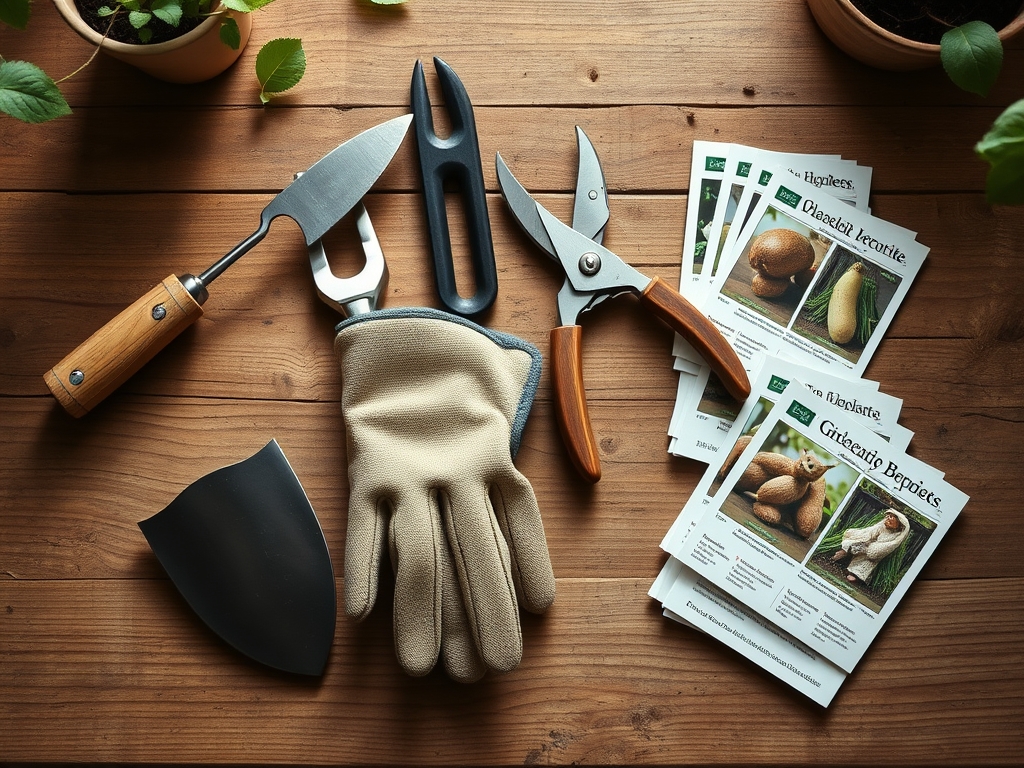
Maintaining a garden machete requires a workspace that mirrors the precision of a potting bench. While the tool itself is steel, its performance is dictated by the environment it manages. High-performance gardening occurs in **friable loam** with a **pH range of 6.0 to 7.0**. This substrate provides the ideal **Cation Exchange Capacity (CEC)** for nutrient uptake. When clearing brush to expose this soil, ensure you have a **10-inch mill bastard file**, a **dual-grit sharpening stone (400/1000)**, and **honing oil**.
If you are clearing areas for heavy feeders, remember that the soil should ideally test for an NPK ratio of 10-10-10 for general maintenance or 5-10-10 for root establishment. The physical texture of the soil should be crumbly; if it is compacted clay, the machete will often strike the earth, dulling the blade against silicates. Keep a wire brush and isopropyl alcohol (70%) nearby to sterilize the blade between different botanical zones to prevent the spread of soil-borne fungi.
Timing:
Sharpening should occur before the spring surge in Hardiness Zones 5 through 9. In these regions, the "Biological Clock" shifts from dormancy to the vegetative stage as soil temperatures reach a consistent 55 degrees Fahrenheit. You must sharpen the blade before the first flush of growth to ensure clean cuts on dormant wood.
The window between the last frost date and the onset of the reproductive stage is critical. Pruning with a dull machete during the transition to the reproductive stage can trigger auxin imbalances, leading to stunted floral development. Aim for late winter maintenance when the plant's metabolic rate is low and senescence has fully set in for deciduous species.
Phases:

Sowing the Edge: Initial Grinding
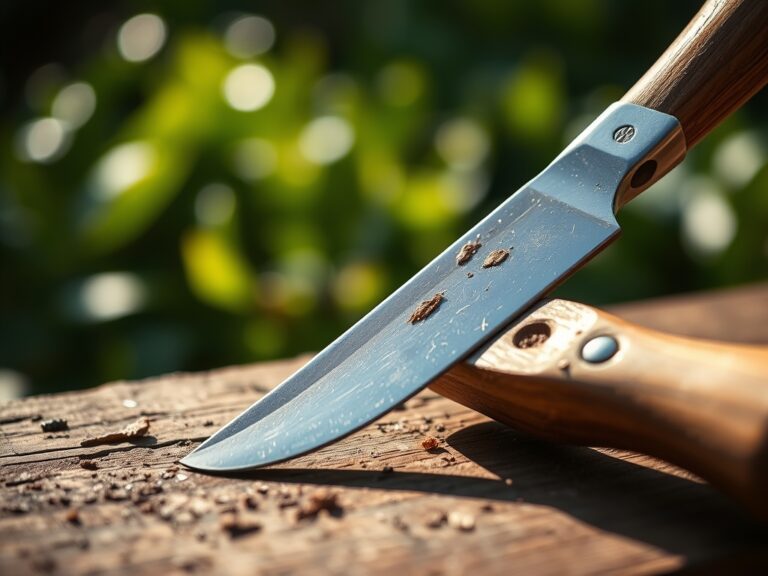
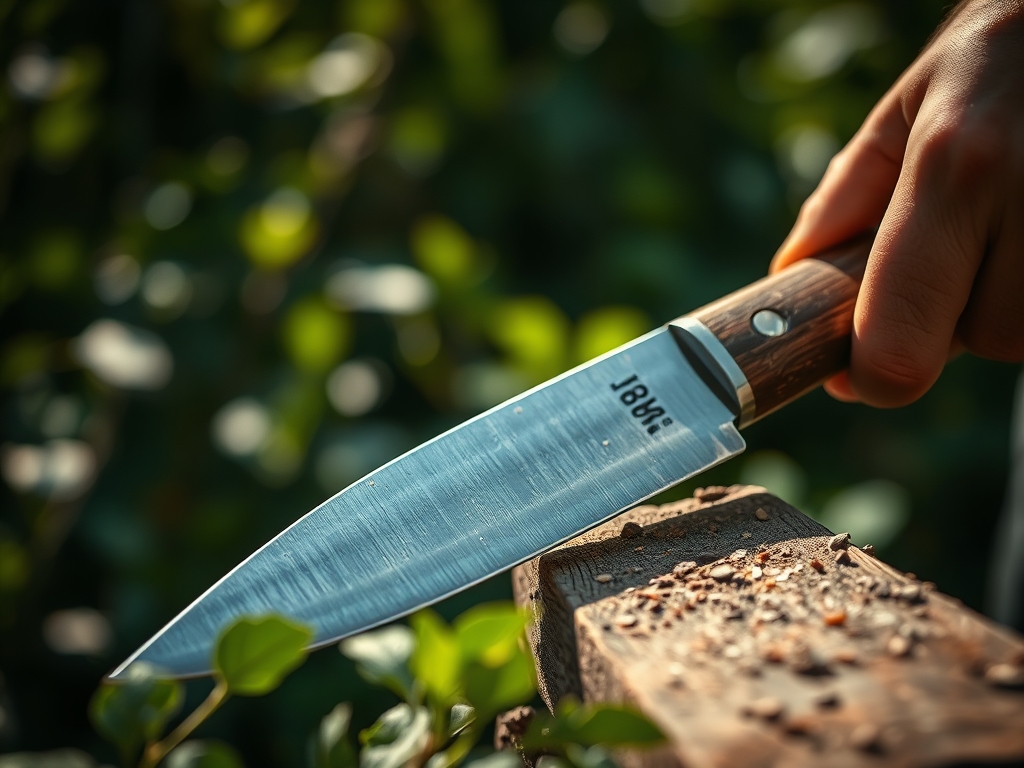
Secure the machete in a bench vise. Use the mill bastard file at a 20 to 25-degree angle. Move the file in long, diagonal strokes away from your body. This removes nicks caused by contact with rocky soil or high-silica grasses.
Pro-Tip: Maintaining a consistent angle prevents the formation of a "wire edge" that collapses under pressure. This is vital because a jagged cut disrupts mycorrhizal symbiosis by introducing air pockets into the root-soil interface if the tool is used for dividing perennials.
Transplanting the Bevel: Honing
Switch to the 400-grit whetstone. Apply honing oil to float away metal filings. Use circular motions to refine the coarse scratches left by the file. This creates a secondary bevel that increases the structural integrity of the steel.
Pro-Tip: A refined edge reduces the force required for a strike, which prevents accidental damage to the rhizosphere of neighboring plants. Excessive vibration from blunt force can shear delicate root hairs responsible for water uptake.
Establishing the Finish: Polishing
Use the 1000-grit stone to polish the edge until it reflects light uniformly. A polished edge experiences less friction when passing through the lignified cell walls of hardwood shrubs.
Pro-Tip: Smooth surfaces minimize the "wicking" effect of plant sap. This prevents the suppression of phototropism in understory plants by ensuring that the canopy thinning you perform is precise, allowing specific light wavelengths to reach the forest floor.
The Clinic:
Physiological disorders in the garden often stem from poor tool maintenance. Observe the following symptoms in your landscape:
Symptom: Ragged, "chewed" edges on pruned stems.
Solution: This indicates a dull machete. Re-sharpen immediately to prevent Botrytis cinerea from colonizing the frayed tissue.
Symptom: Interveinal chlorosis (yellowing leaves with green veins).
Fix-It: This is often a Magnesium deficiency. While sharpening your tools, apply Epsom salts (1 tablespoon per gallon of water) to the base of the plant to restore chlorophyll production.
Symptom: Stunted new growth and pale green foliage.
Fix-It: This suggests Nitrogen chlorosis. Use a high-nitrogen fertilizer with an NPK of 20-10-10 to boost vegetative vigor after you have cleared the competing overgrowth with your sharpened blade.
Maintenance:
A sharpened machete is a precision instrument. After use, wipe the blade with an oily rag to prevent oxidation. In the garden, maintenance requires equal discipline. Provide 1.5 inches of water per week at the drip line for established shrubs. Use a soil moisture meter to ensure the water reaches a depth of 6 inches.
For fine-tuning the areas cleared by the machete, use bypass pruners for stems under 0.5 inches and a hori-hori knife for weeding the exposed soil. If the soil feels compacted, use a broadfork to improve aeration without overturning the delicate soil horizons.
The Yield:
When using a sharpened machete to harvest fibrous crops or clear sunflowers, timing is essential. Harvest when turgor pressure is at its peak, usually in the early morning before the sun triggers transpiration. Cut at a 45-degree angle to allow moisture to run off the remaining stalk. For "day-one" freshness, immediately plunge the cut ends into cool water to maintain the vascular tension within the xylem.
FAQ:
How often should I sharpen a garden machete?
Sharpen every 4 to 6 hours of heavy use. If the blade bounces off woody stems or leaves ragged edges, the steel has lost its alignment. Frequent honing with a whetstone extends the life of the primary bevel.
What is the best angle for a garden machete?
Maintain an angle of 20 to 25 degrees. This provides a balance between a razor-sharp edge for soft vegetation and a durable wedge for hacking through lignified woody stems without chipping the steel.
Can I use a power grinder to sharpen it?
Avoid power grinders as they generate excessive heat. High temperatures can ruin the temper of the steel, making it brittle. Manual filing and stone honing preserve the metal's integrity and ensure a more precise, horticultural-grade edge.
Why is my machete rusting after sharpening?
Sharpening exposes fresh, unoxidized metal. Always apply a thin layer of mineral oil or specialized tool lubricant after sharpening. This creates a hydrophobic barrier that protects the steel from moisture and acidic plant sap.