8 Simple Ways How to Maintain Garden Carts
The scent of anaerobic decomposition and damp silt clinging to a steel axle signals the slow decay of a neglected tool. A garden cart is the mechanical backbone of the landscape; it facilitates the movement of bulk amendments and heavy biomass across the rhizosphere. When you understand how to maintain garden carts, you preserve the efficiency of your caloric output and protect the structural integrity of your hauling equipment. Neglect leads to oxidized frames and seized bearings, which directly compromises your ability to manage soil health. Proper maintenance ensures that every load of compost or mulch reaches its destination without mechanical failure.
Materials:
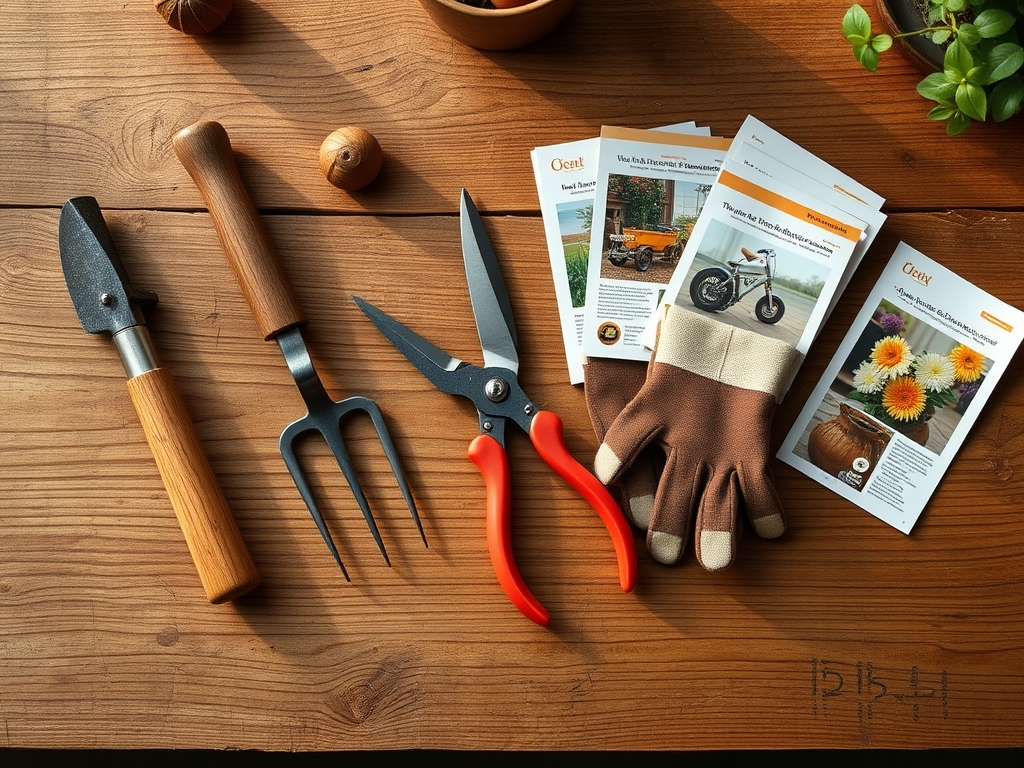
Maintaining a garden cart requires the same precision as managing a friable loam with a pH of 6.5. To prevent corrosion during the transport of fertilizers, you must understand the chemical impact of NPK ratios on metal surfaces. High-nitrogen fertilizers, such as those with a 21-0-0 ratio (Ammonium Sulfate), are highly corrosive to carbon steel. When hauling these materials, the cart bed must be lined or cleaned immediately to prevent pitting.
The ideal substrate for a cart's environment is a dry, well-ventilated shed. If the cart interacts with soil, ensure the soil has a high Cation Exchange Capacity (CEC) to hold nutrients for plants, but keep that same soil off the cart's undercarriage. Use a lithium-based grease for axles and a 3-in-1 oil for pivot points. For wooden carts, a coat of boiled linseed oil maintains the cellular structure of the timber, preventing the wood from becoming brittle and losing its turgor-like resilience.
Timing:
In Hardiness Zones 4 through 7, the maintenance window is dictated by the first hard frost. As plants enter senescence and the biological clock shifts from reproductive stages to dormancy, your cart maintenance must intensify. Perform a deep-cleanse and lubrication cycle before the ground freezes. In warmer Zones 8 through 10, where the growing season is nearly year-round, maintenance should occur every 90 days to combat the accelerated oxidation caused by high humidity and UV exposure. Monitor the photoperiod; as days shorten, the moisture levels in the air often increase, necessitating a more frequent application of rust inhibitors.
Phases:

Sowing the Foundation
Before the heavy hauling of spring begins, inspect the pneumatic tires. Maintain a pressure of 25 to 30 PSI to ensure even weight distribution. This prevents soil compaction in your garden beds when you move through the rows.
Pro-Tip: Proper tire inflation reduces the physical force required to move the cart, preventing unnecessary soil compaction that would otherwise inhibit mycorrhizal symbiosis by crushing the delicate fungal networks in the upper four inches of the soil profile.
Transplanting Components
If a cart part fails, replace it with galvanized or stainless steel hardware. When swapping out old bolts, apply an anti-seize compound. This is the mechanical equivalent of ensuring high turgor pressure in a seedling; it keeps the structure rigid and responsive under load.
Pro-Tip: Use nylon locking nuts to combat the vibrations caused by uneven terrain. This mimics the stability of auxin suppression in lateral buds; it keeps the primary structure focused and secure without the risk of "bleeding" or loosening over time.
Establishing a Routine
Wash the cart after every use involving organic matter. Decaying plant material releases organic acids that lower the pH on the surface of the cart, leading to rapid oxidation. Scrub the bed with a stiff brush to remove all traces of "hot" compost or manure.
Pro-Tip: Removing debris prevents the accidental transport of pathogens between garden plots. This is a form of mechanical biosecurity, ensuring that soil-borne diseases like Fusarium wilt do not hitchhike on the cart's tires to a clean rhizosphere.
The Clinic:
Physiological disorders in a garden aren't the only thing to watch; mechanical disorders in your cart require immediate intervention.
- Symptom: Squealing or grinding during rotation.
- Solution: Disassemble the wheel hub and clean the bearings with a degreaser. Re-pack with heavy-duty grease to reduce friction and heat.
- Symptom: Orange or reddish flaking on the frame (Oxidation).
- Solution: Use a wire brush to remove the scale. Apply a phosphoric acid-based rust converter, followed by a high-solids enamel paint.
- Symptom: Hairline cracks in poly-tubs.
- Solution: Drill a small "stop hole" at each end of the crack to prevent propagation. Seal with a two-part epoxy rated for high-density polyethylene.
Fix-It for Nutrient Contamination:
If your cart shows signs of "Nitrogen chlorosis" (yellowing or weakening of the protective paint due to chemical exposure), neutralize the area with a solution of baking soda and water. This balances the pH before you sand and repaint the affected surface.
Maintenance:
A professional-grade maintenance routine requires specific tools and metrics. Use a soil moisture meter to ensure the area where you store your cart remains below 15% humidity to prevent dry rot in wooden components. When cleaning, use a high-pressure nozzle to clear the "drip line" of the cart's undercarriage where moisture traps debris.
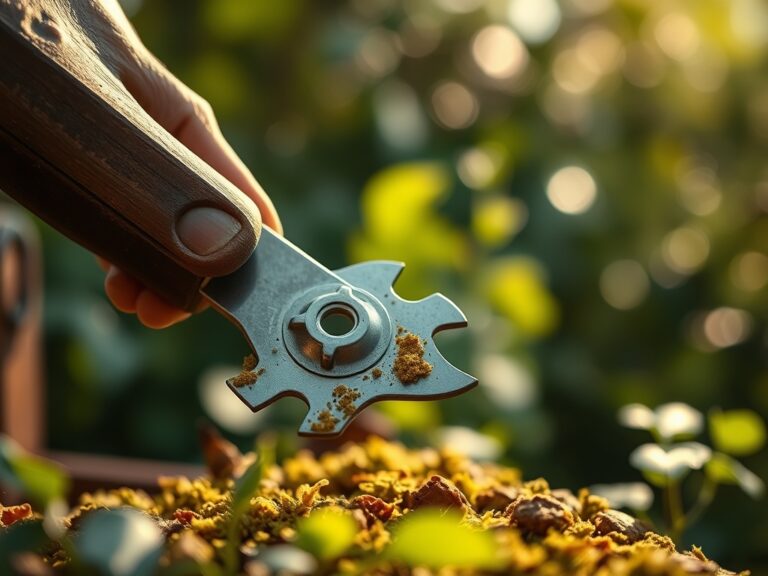
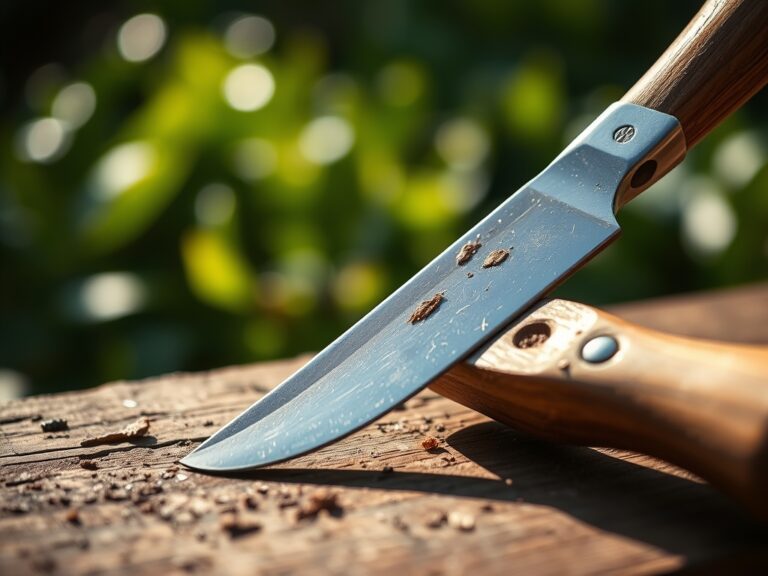
Keep a hori-hori knife nearby to scrape hardened mud from the wheel treads; mud increases the rolling resistance and can harbor weed seeds. Use bypass pruners to trim any overhanging vegetation in your storage area that might trap moisture against the cart's frame. Lubricate the pivot points every 20 hours of heavy use. If the cart has a dumping mechanism, ensure the latch is clear of grit to prevent accidental discharge of materials.
The Yield:
The "yield" of a well-maintained garden cart is measured in longevity and physical energy saved. A cart kept in peak condition can last 15 to 20 years, whereas a neglected one will fail in under five. When the cart is functioning at its peak, you can transport 300 pounds of harvest or soil with minimal exertion. To keep your cart "day-one" fresh post-season, apply a thin film of lanolin or silicone spray over all metal surfaces before winter storage. This creates a hydrophobic barrier that prevents atmospheric moisture from reaching the substrate.
FAQ:
How often should I grease the wheel bearings?
Lubricate wheel bearings every six months or after 50 hours of use. If you operate in wet or muddy conditions, increase frequency to every three months to displace moisture and prevent internal bearing oxidation.
What is the best way to prevent rust on a metal cart?
Clean the cart after hauling acidic materials like peat moss or manure. Apply a lanolin-based rust inhibitor or high-quality wax to the frame. Store the cart in a low-humidity environment to minimize oxygen-to-metal contact.
Can I use a power washer to clean my garden cart?
Yes, but avoid direct high-pressure spray on sealed bearings or wooden joints. Excessive pressure can force water into sealed areas, leading to internal rot or grease displacement. Dry the cart thoroughly after washing.
How do I fix a flat tire on a garden cart?
Check the valve stem for leaks using soapy water. If the puncture is in the tread, use a tire plug kit or a liquid sealant. Maintain a consistent 30 PSI to prevent bead separation from the rim.