9 Simple Steps to Grow Polka Dot Plants
The smell of damp peat moss and the snap of a leaf with high turgor pressure define the start of a successful cultivation cycle. Hypoestes phyllostachya, commonly recognized for its maculate foliage, requires precise environmental control to maintain its ornamental value. Mastering the steps to grow polka dot plants begins with understanding their tropical origins in Madagascar. These plants are not merely decorative; they are biological indicators of humidity and light quality. You must balance soil moisture with atmospheric vapor pressure to prevent cellular collapse. This guide provides the technical framework required to move beyond basic gardening into professional-grade horticulture. Success depends on your ability to manipulate the microclimate of the rhizosphere while managing the plant's aggressive growth habit.
Materials:
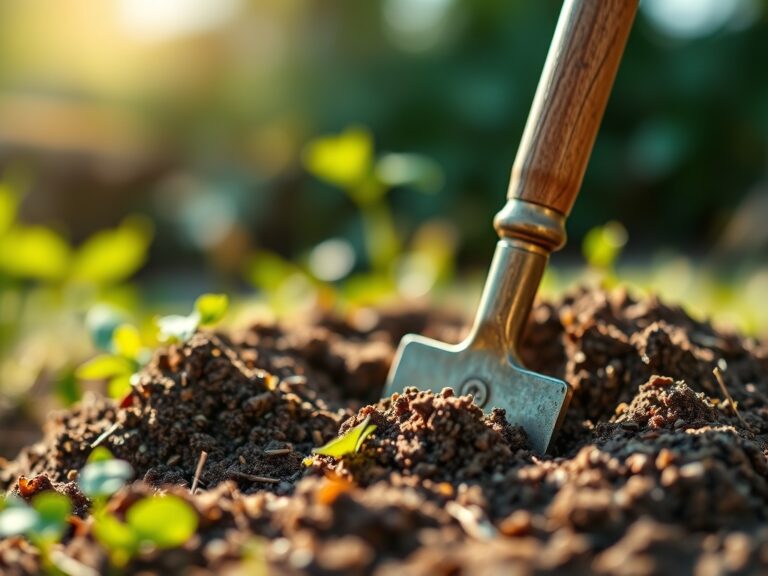
The foundation of Hypoestes health is a growing medium with high Cation Exchange Capacity (CEC). You require a friable loam consisting of 40 percent peat moss, 30 percent perlite, and 30 percent composted organic matter. The target soil pH must fall between 6.1 and 7.3 to ensure nutrient bioavailability.
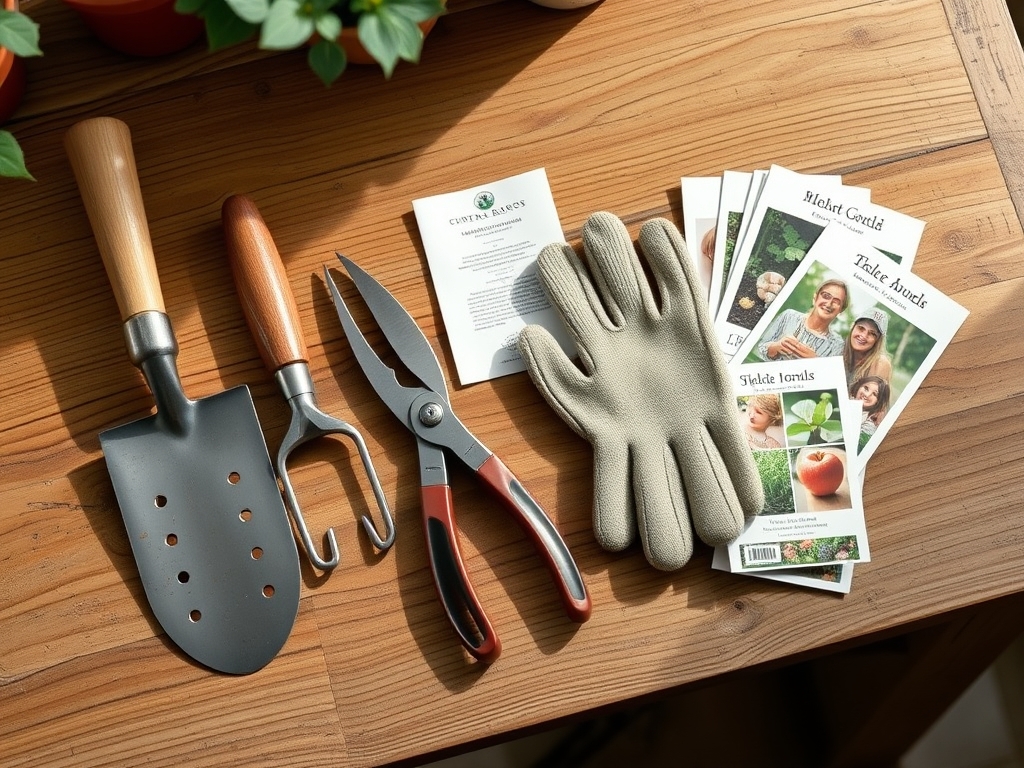
For fertilization, utilize a water-soluble NPK ratio of 10-10-10 or 20-20-20. High nitrogen levels are necessary to support the rapid expansion of vegetative biomass, but excessive application can lead to salt accumulation in the substrate. You will also need a soil moisture meter to monitor the volumetric water content and a hori-hori knife for precise root pruning during the transplanting phase. Ensure all containers have unobstructed drainage ports to prevent anaerobic conditions that lead to root rot.
Timing:
Hypoestes phyllostachya is biologically programmed for USDA Hardiness Zones 10 through 11. In these regions, it functions as a perennial; in cooler zones, it is treated as an annual or an indoor specimen. The biological clock of the plant is governed by the photoperiod. As day lengths shorten in late summer, the plant transitions from vegetative growth to its reproductive stage, characterized by the emergence of small, lilac-colored flowers.
Initiate seed sowing indoors 10 to 12 weeks before the last predicted frost date. Soil temperatures must be maintained at a constant 70 to 75 degrees Fahrenheit for successful germination. If you miss this window, the plant may reach senescence before achieving full foliar density. Monitoring the thermal units of your local environment is critical for outdoor success.
Phases:

Sowing and Germination
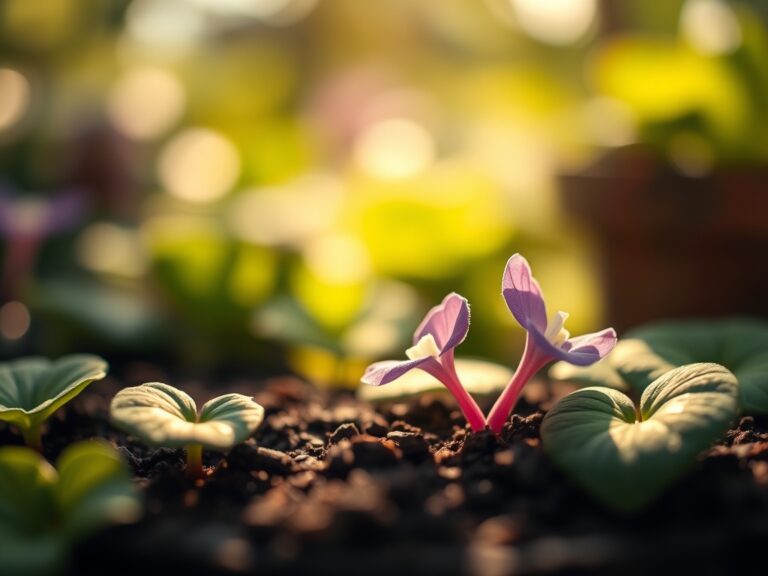
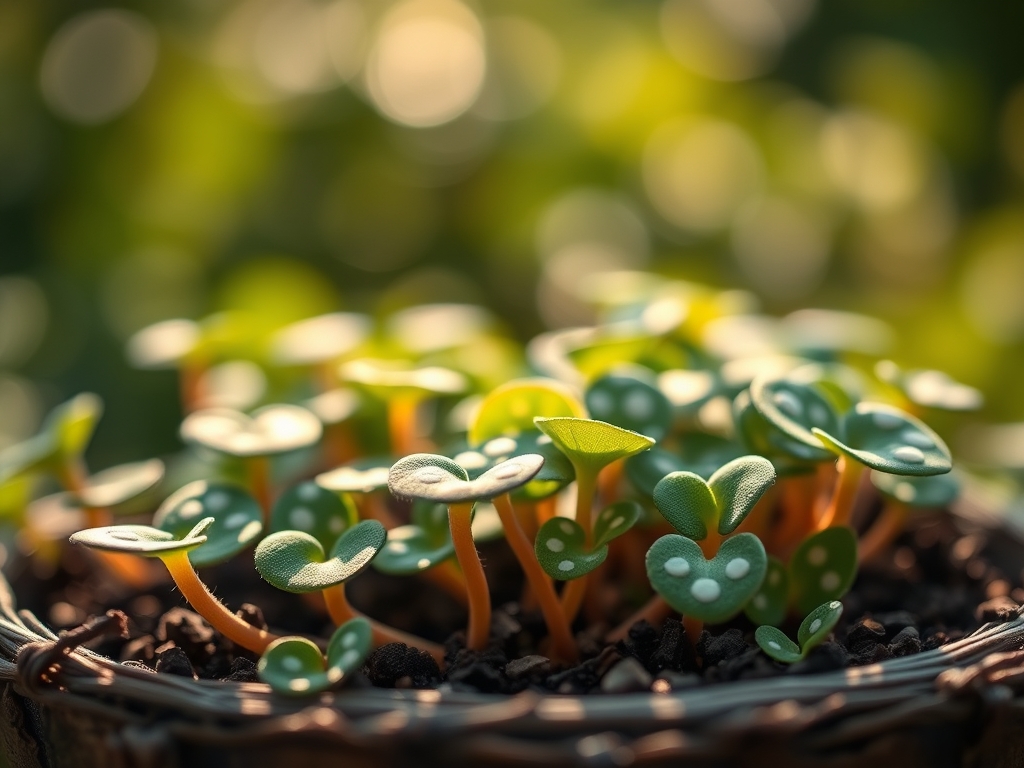
Surface-sow the seeds onto a pre-moistened, sterile seed-starting mix. Do not bury them; Hypoestes seeds are positively photoblastic and require light to trigger the hormonal shift necessary for germination. Maintain a humidity level of 80 percent using a plastic dome. Germination typically occurs within 7 to 14 days.
Pro-Tip: The biological why behind surface sowing involves phytochrome activation. Light exposure converts inactive phytochromes into an active form that signals the embryo to break dormancy and begin cellular division.
Transplanting and Root Establishment
Once the seedlings develop two sets of true leaves, they are ready for individual 4-inch pots. Handle the plants by the leaves rather than the stems to avoid crushing the vascular tissue. Ensure the new substrate is at the same temperature as the seedling tray to minimize transplant shock.
Pro-Tip: Proper transplanting encourages mycorrhizal symbiosis. By introducing beneficial fungi to the new rhizosphere, you increase the surface area of the root system, allowing for more efficient uptake of phosphorus and micronutrients.
Establishing the Canopy
As the plant reaches 4 inches in height, pinch off the terminal buds. This removes apical dominance and redirects the plant's energy toward lateral axillary buds. This process results in a bushier, more compact habit rather than a leggy, unstable structure.
Pro-Tip: This technique relies on auxin suppression. Auxins produced in the apical meristem inhibit the growth of lateral buds; removing the tip lowers auxin concentration, allowing cytokinins to stimulate lateral branching.
The Clinic:
Physiological disorders in Hypoestes often manifest through foliar changes. Use the following diagnostic criteria to identify and resolve issues.
Symptom: Leaf Curl and Marginal Necrosis.
Solution: This is typically caused by low atmospheric humidity or underwatering. Increase the ambient humidity to 50 percent or higher and ensure the soil remains consistently moist.
Symptom: Loss of Variegation (Reverting to Solid Green).
Solution: This indicates insufficient light. The plant is producing more chlorophyll to compensate for low light levels. Move the plant to a location with bright, indirect light to restore the pink or white maculation.
Symptom: Interveinal Chlorosis (Yellowing between veins).
Solution: This is a classic sign of Magnesium or Iron deficiency. Check the soil pH; if it is too high, these minerals become locked in the soil. Apply a chelated micronutrient supplement or adjust the pH to 6.5.
Symptom: Nitrogen Chlorosis (Uniform yellowing of older leaves).
Solution: Nitrogen is a mobile nutrient; the plant is scavenging it from old growth to support new leaves. Apply a balanced 10-10-10 fertilizer immediately.
Maintenance:
Professional maintenance requires a rigorous schedule. Provide 1.5 inches of water per week at the drip line. Do not saturate the foliage, as standing water can encourage fungal pathogens. Use bypass pruners to remove any flower spikes as they appear; allowing the plant to set seed will lead to rapid senescence and death of the parent plant.
Monitor the substrate weekly with a soil moisture meter. The goal is to keep the soil at a "damp sponge" consistency. If the plant wilts, it is losing turgor pressure; while it can recover from minor wilting, repeated stress weakens the cellular walls. Every four weeks, flush the soil with clear water to leach out accumulated fertilizer salts.
The Yield:
While Hypoestes is not an edible crop, the "yield" is defined by the quality of its cuttings for propagation. Harvest stem cuttings that are 4 inches long with at least two nodes. Use a sharp, sterilized blade to make a clean 45-degree cut. To maintain "day-one" freshness, immediately place the cuttings in a glass of room-temperature water or a moist rooting medium. Rooting typically occurs within 14 to 21 days when kept at 72 degrees Fahrenheit. This allows for a continuous cycle of new, vigorous plants to replace older, woody specimens.
FAQ:
How much light do polka dot plants need?
They require bright, indirect light for at least 6 to 8 hours daily. Direct afternoon sun can scorch the delicate leaf tissue, while deep shade causes the plant to lose its distinctive spotted patterns and become leggy.
Why is my polka dot plant flowering?
Flowering is a response to the photoperiod shortening or environmental stress. It signals the end of the plant's life cycle. Pinch off flower buds immediately to redirect energy back into foliar growth and extend the plant's lifespan.
How often should I fertilize?
Apply a balanced, water-soluble fertilizer at half-strength every two weeks during the active growing season. Reduce application to once a month during winter when the plant's metabolic rate slows and nutrient demand decreases significantly.
Can I grow polka dot plants from cuttings?
Yes. Take 4-inch terminal cuttings and place them in water or moist perlite. Ensure at least one node is submerged. Roots usually emerge within three weeks if temperatures are maintained between 70 and 75 degrees Fahrenheit.
What is the ideal temperature for these plants?
Hypoestes thrives in temperatures between 65 and 80 degrees Fahrenheit. They are highly sensitive to cold; exposure to temperatures below 50 degrees Fahrenheit can cause systemic shock, leaf drop, and eventual vascular failure.