5 Simple Steps to Plant Beach Grass
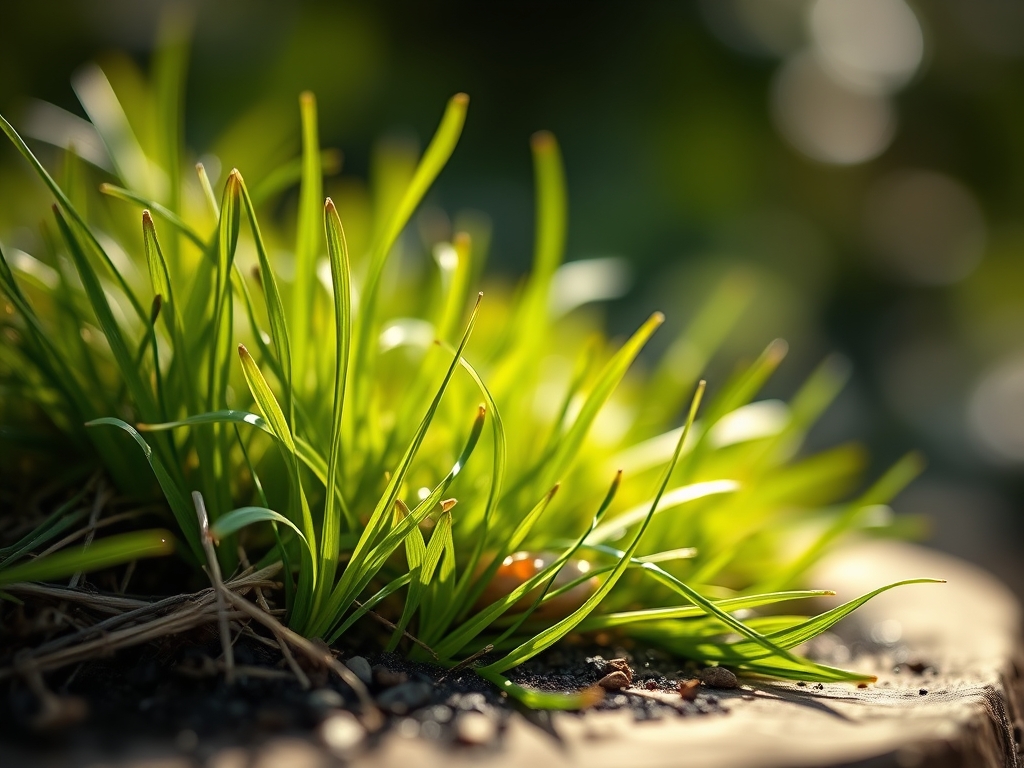
The smell of salt spray carries a sharp, metallic edge that signals the harsh reality of the littoral zone. A healthy American Beach Grass (Ammophila breviligulata) culm displays high turgor pressure; its blade is stiff, waxy, and resistant to the desiccating winds of the coast. To stabilize shifting dunes and prevent erosion, you must execute the steps to plant beach grass with surgical precision. Success depends on deep placement and tight compaction to protect the delicate nodes from the abrasive force of windblown silica.
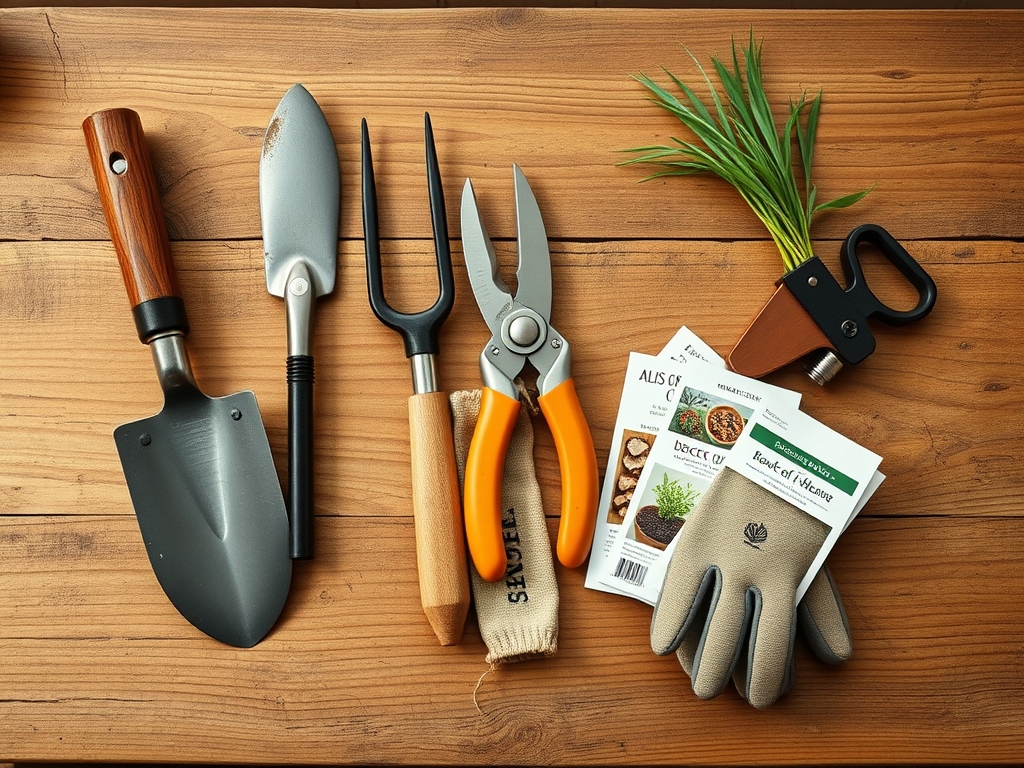
Materials:
Beach grass thrives in a substrate that most ornamental plants would find lethal. The ideal medium is a coarse, well-drained sand with a **soil pH between 5.5 and 7.5**. This substrate typically has a very low Cation Exchange Capacity (CEC), meaning it cannot hold onto nutrients effectively. To compensate, you must utilize a slow-release fertilizer with an **NPK ratio of 10-10-10 or 20-10-10** during the second growing season. The physical texture should be granular and free of heavy organic matter; excessive loam or clay can lead to root rot in this specific species. Ensure your culms (dormant stems) are at least **8 to 12 inches long** with a visible, healthy basal node.
Timing:
The biological clock of Ammophila breviligulata is governed by soil temperature and photoperiod. In USDA Hardiness Zones 4 through 8, the optimal planting window opens in late autumn and closes in early spring, typically between October 15 and April 1. Planting during the dormant phase allows the plant to allocate all its metabolic energy toward root initiation rather than vegetative leaf growth. As the soil temperature hits 45 degrees Fahrenheit, the plant exits dormancy and begins the transition from the vegetative stage to active rhizome expansion. Planting after the spring frost date increases the risk of desiccation before the root system can establish hydraulic conductivity with the deep moisture table.
Phases:
Sowing and Preparation
Unlike turf, beach grass is rarely grown from seed in the field due to low germination rates and high seedling mortality. Instead, obtain dormant culms. Keep these bundles in a shaded, moist environment at 35 to 40 degrees Fahrenheit until the moment of insertion. If the culms dry out, the cellular membranes will collapse, rendering the plant non-viable.
Pro-Tip: Dip the basal ends in a solution containing mycorrhizal fungi. This biological symbiosis allows the grass to access phosphorus and water in nutrient-poor sand by extending the effective surface area of the root system through fungal hyphae.
Transplanting and Insertion
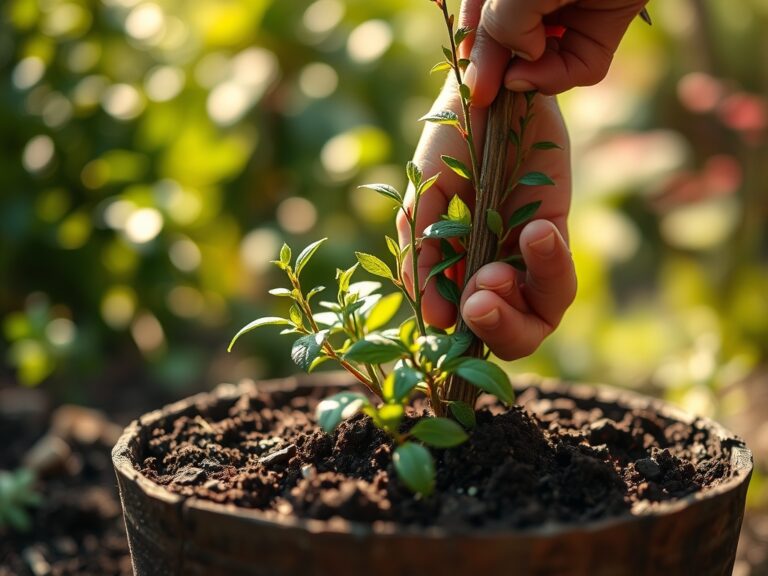
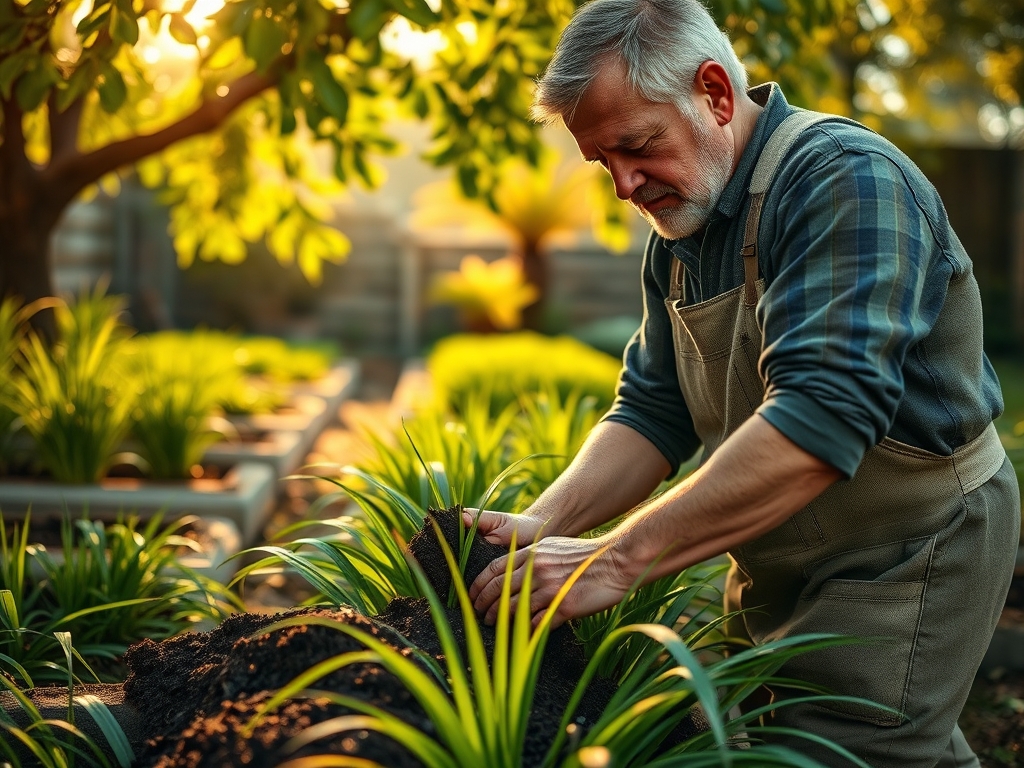
Dig a hole or use a planting bar to create a void 8 to 10 inches deep. Insert 2 to 3 culms per hole. The depth is non-negotiable; shallow planting leads to "blowouts" where wind exposes the roots. Space the holes 18 inches apart on center. This creates a staggered grid that effectively breaks wind velocity and traps sand.
Pro-Tip: Firm the sand around the culms with your heel to eliminate air pockets in the rhizosphere. This ensures immediate contact between the plant tissue and soil moisture, preventing the "chimney effect" where dry air reaches the roots and causes lethal desiccation.
Establishing the Stand
Once the culms are in the ground, the focus shifts to moisture management. During the first 4 to 6 weeks, the plant relies on stored carbohydrates. As the first new green shoots emerge, the plant is entering its active photosynthetic stage. Do not fertilize immediately upon planting; wait for the root system to show signs of elongation.
Pro-Tip: Avoid excessive nitrogen in the first month to prevent auxin suppression. High nitrogen levels can prioritize weak leaf growth over the deep vertical root development required for long-term survival in high-stress coastal environments.
The Clinic:
Physiological disorders in beach grass often stem from environmental stressors or nutrient imbalances. Use this diagnostic guide to identify and correct issues.
Symptom: Yellowing of the oldest leaves while new growth remains green.
Solution: This indicates Nitrogen Chlorosis. Because nitrogen is a mobile nutrient, the plant translocates it to new growth.
Fix-It: Apply a controlled-release 10-10-10 fertilizer at a rate of 1 pound per 1,000 square feet once the plant reaches 6 inches in height.
Symptom: Leaf blades rolling tightly into a needle-like shape during midday.
Solution: This is a defense mechanism to reduce transpiration. If the leaves do not unroll by dusk, the plant is suffering from Acute Water Stress.
Fix-It: Increase supplemental irrigation to ensure the sand is moist at a depth of 6 inches.
Symptom: Stunted growth and purplish tint on the stems.
Solution: This suggests a Phosphorus Deficiency, common in very acidic sands (pH below 5.0).
Fix-It: Conduct a soil test. If pH is below 5.5, apply pelletized lime to raise the pH and increase phosphorus bioavailability.
Maintenance:
Maintenance of a beach grass stand requires a balance of neglect and precise intervention. For the first growing season, provide 1.5 inches of water per week if rainfall is insufficient. Use a soil moisture meter to verify that the moisture has reached the primary root zone at the 8-inch mark.
Use a hori-hori knife to remove invasive species that compete for limited nutrients. Do not use bypass pruners to "mow" beach grass; the plant requires its full leaf surface area to build the carbohydrate reserves necessary for rhizome production. In subsequent years, the grass requires sand deposition to remain vigorous. If the grass is buried by 2 to 4 inches of sand annually, it triggers a growth response that pushes the rhizomes upward, creating a dense, reinforced dune structure.
The Yield:
While beach grass is not an edible crop, the "yield" is measured in biomass and dune stabilization. The harvest in this context is the collection of "thinnings" from an established stand to plant new areas. This should only be done once the stand is 3 years old. Use a sharp spade to lift a small section of rhizomes, ensuring each culm has a healthy root mass. Re-plant these immediately to maintain "day-one" freshness and prevent the senescence of the delicate root hairs.
FAQ:
How deep should I plant beach grass culms?
Plant culms 8 to 10 inches deep. This ensures the basal nodes are protected from wind erosion and have access to deep-seated soil moisture. Shallow planting is the primary cause of failure in coastal stabilization projects.
What is the best fertilizer for beach grass?
Use a slow-release NPK 10-10-10 or 20-10-10 fertilizer. Apply it during the second growing season when the plant is actively expanding its rhizome system. Avoid high-nitrogen quick-release formulas that can burn the roots in sandy substrates.
Can I plant beach grass in the summer?
Summer planting is generally unsuccessful due to high evapotranspiration rates. The heat and dry wind will desiccate the culms before they can establish a root system. Stick to the dormant window between October and April for best results.
How much water does new beach grass need?
Provide approximately 1.5 inches of water per week during the first growing season. Use a soil moisture meter to ensure the water reaches the 8-inch depth. Once established, the grass is highly drought-tolerant and requires no supplemental irrigation.