5 Elegant Ways How to Design a Courtyard Garden
Crush a handful of moist soil and you should feel the grit of sand against the slickness of clay. This tactile feedback indicates a balanced structural integrity necessary for gas exchange. When you learn how to design a courtyard garden, you are managing a microclimate where stagnant air and heat radiation from masonry walls dictate plant physiology. Success depends on maintaining high turgor pressure in every leaf to prevent wilting against the reflective heat of stone.
Materials:
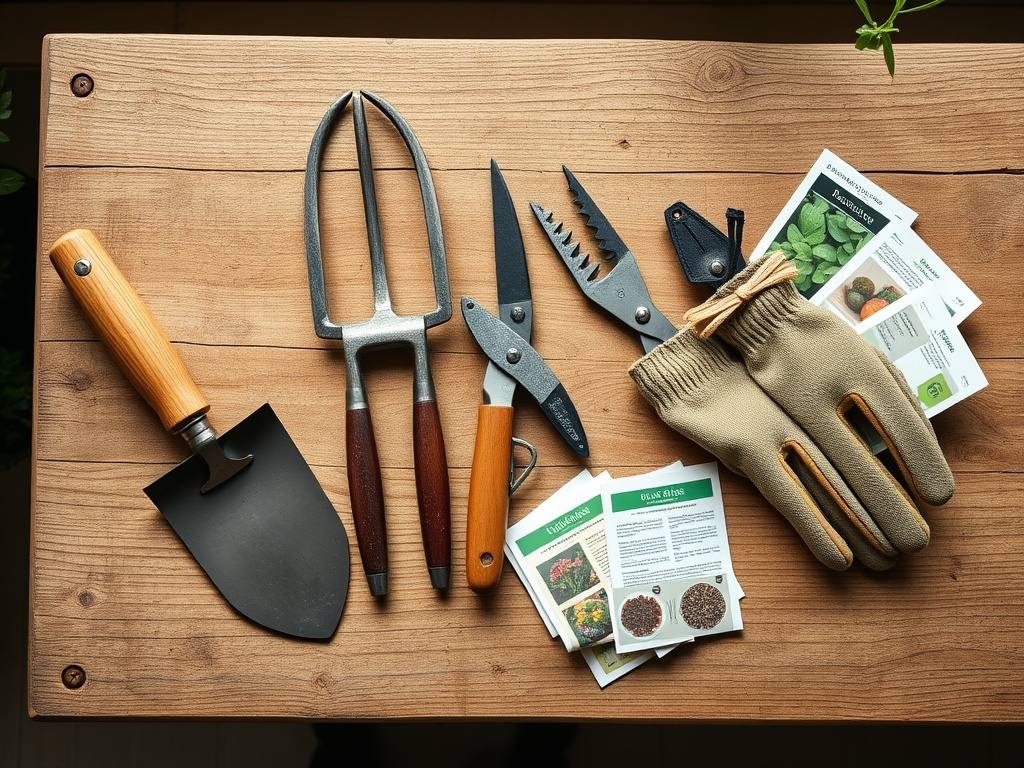
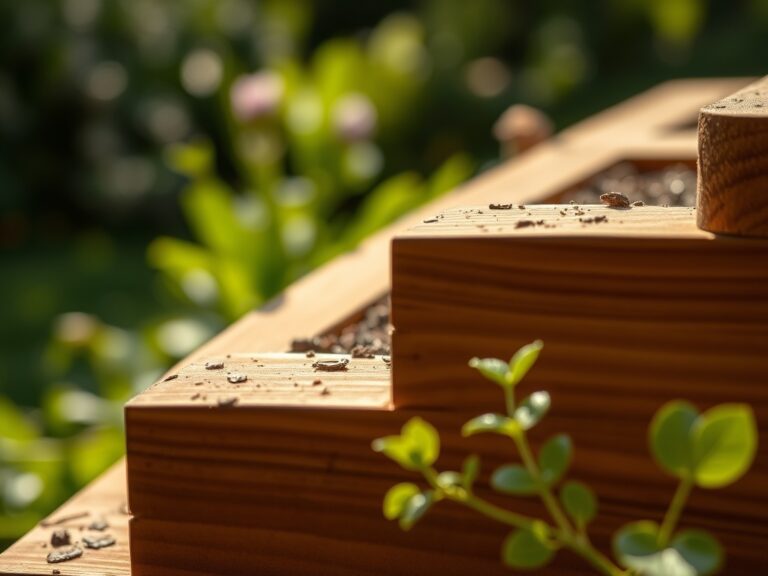
The foundation of a courtyard garden is the substrate. Because these spaces often utilize raised beds or containers, you must engineer a soil with a high Cation Exchange Capacity (CEC) to retain nutrients against frequent leaching.
Aim for a friable loam consisting of 40 percent sand, 40 percent silt, and 20 percent clay. The ideal soil pH for a mixed ornamental courtyard ranges from 6.2 to 6.8, ensuring maximum bioavailability of micronutrients like iron and manganese.
For the initial establishment phase, incorporate a slow-release granular fertilizer with an NPK ratio of 10-10-10. This provides 10 percent Nitrogen for vegetative growth, 10 percent Phosphorus for root development, and 10 percent Potassium for cellular wall strength and drought resistance. For flowering species like Trachelospermum jasminoides, shift to a 5-10-15 ratio once buds appear to prioritize reproductive health over foliage extension.
Timing:
Courtyard gardens are thermal sinks. In USDA Hardiness Zones 7 through 9, the masonry can extend the growing season by 15 to 20 days. You must synchronize your planting with the biological clock of your selected species.
Vegetative growth typically begins when soil temperatures consistently hit 55 degrees Fahrenheit. Plan your installation for the window immediately following the last spring frost. In Zone 8, this usually occurs between late March and early April. Understanding the photoperiod is also essential; many courtyard plants are shade-tolerant species that require fewer than six hours of direct solar radiation to reach maturity. Monitor the transition from the vegetative stage to the reproductive stage, as this shift dictates when you must increase potassium levels to support flower production.
Phases:

Sowing and Propagation
Direct sowing in courtyards requires a substrate temperature of at least 65 degrees Fahrenheit for thermophilic seeds. Use a sterile seed-starting mix to prevent "damping off" caused by fungal pathogens. Place seeds at a depth three times their diameter to ensure adequate moisture contact.
Pro-Tip: Utilize Auxin Suppression by pinching off the terminal buds of young plants. This disrupts apical dominance, forcing the plant to redirect energy to lateral buds, resulting in a bushier growth habit suitable for confined spaces.
Transplanting
When moving nursery stock into the courtyard, ensure the root ball is saturated. Dig a hole twice as wide as the root mass but no deeper. This prevents the crown from sinking, which can lead to anaerobic conditions and collar rot.
Pro-Tip: Inoculate the planting hole with Mycorrhizal fungi. This symbiotic relationship expands the root surface area, significantly increasing the plant's ability to uptake water and phosphorus in the restricted root zones of a courtyard.
Establishing
The first 90 days are critical for root architecture development. Water deeply to encourage roots to grow downward rather than stay near the surface. Surface roots are susceptible to the high soil temperatures common in paved environments.
Pro-Tip: Monitor for Phototropism. If plants lean aggressively toward the light source, rotate containers 90 degrees weekly. This ensures even distribution of growth hormones and prevents the structural weakening of the main stem.
The Clinic:
Physiological disorders in courtyards often stem from the restricted airflow and high humidity of enclosed spaces.
- Symptom: Interveinal Chlorosis. The leaves turn yellow while the veins remain green.
- Solution: This indicates a Nitrogen or Iron deficiency. Check soil pH first. If pH is above 7.0, iron becomes insoluble. Lower pH with elemental sulfur or apply chelated iron.
- Symptom: Leaf Scorch. Brown, crispy margins on the edges of foliage.
- Solution: This is often a result of excessive transpiration where the roots cannot supply water fast enough to meet the demand of the leaves. Increase irrigation frequency and provide afternoon shade.
- Symptom: Powdery Mildew. A white, flour-like substance on the leaf surface.
- Solution: Improve air circulation. Prune the interior of dense shrubs using bypass pruners to increase light penetration and reduce humidity within the canopy.
Maintenance:
Precision is the hallmark of courtyard maintenance. Provide 1.5 inches of water per week delivered directly to the drip line. Avoid overhead irrigation, as wet foliage in enclosed spaces is a primary vector for fungal spores.
Use a soil moisture meter daily during the summer months; courtyard containers can lose 30 percent of their moisture in a single eight-hour window of direct sun. For pruning, employ a hori-hori knife to weed in tight crevices between pavers and to divide perennial clumps. Use sharp bypass pruners for clean cuts that heal quickly, preventing the entry of pathogens. Apply a 2-inch layer of organic mulch to suppress weeds and regulate soil temperature fluctuations.
The Yield:
For those integrating flowering perennials or herbs into their courtyard design, timing the harvest is a matter of chemistry. Harvest flowers and herbs in the early morning when turgor pressure is at its peak and essential oil concentrations are highest.
Use a sharp blade to avoid crushing the vascular tissue (xylem and phloem). For woody stems, a 45-degree angled cut increases the surface area for water uptake. Immediately submerge the cut ends in 65-degree Fahrenheit water to prevent air embolisms from forming in the stem, which would otherwise lead to premature senescence and wilting.
FAQ:
How do I improve drainage in a paved courtyard?
Install a French drain system or use permeable pavers. Ensure the sub-base consists of 4 to 6 inches of compacted gravel topped with 2 inches of coarse sand to allow vertical water movement into the water table.
What is the best NPK ratio for courtyard containers?
Use a 10-10-10 balanced fertilizer for general growth. Switch to a 5-10-15 ratio for flowering plants to support reproductive development without overstimulating leggy vegetative growth that can outgrow small spaces.
How do I prevent soil compaction in high-traffic areas?
Incorporate expanded shale or perlite into the soil mix. These inorganic amendments maintain macropores within the soil structure, ensuring oxygen reaches the rhizosphere even if the soil surface is slightly compressed by foot traffic.
How much light do courtyard plants actually need?
Most courtyard species require a minimum of 4 to 6 hours of sunlight. Use reflective light-colored walls to increase the "bounce" of solar radiation into darker corners, effectively increasing the available light for photosynthesis.
What is the ideal pH for courtyard soil?
Maintain a pH between 6.2 and 6.8. This slightly acidic range is the "sweet spot" where most essential minerals remain soluble and available for plant uptake through the root system.