9 Best Hammock Straps for Trees
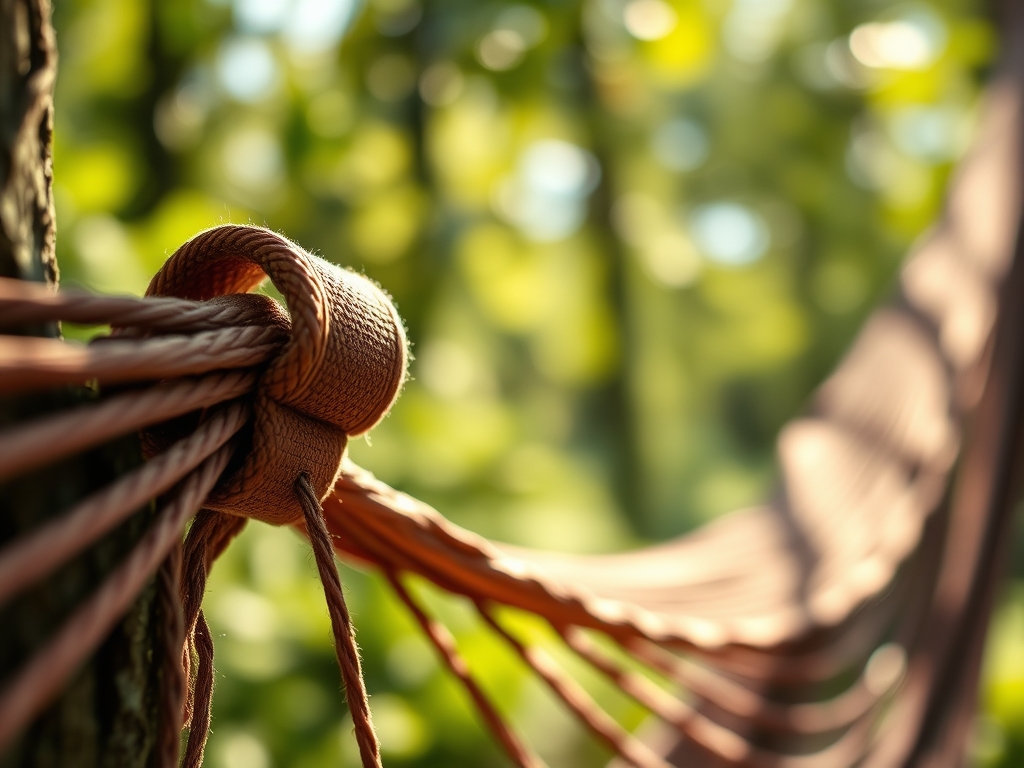
The smell of damp earth and the high turgor pressure of a healthy leaf signify a thriving ecosystem. As a horticulturist, I view a tree not as furniture, but as a living hydraulic system. When selecting the best hammock straps for trees, the primary objective is to preserve the vascular cambium. This thin layer of generative tissue between the bark and wood is responsible for secondary growth. Compression from narrow, low-quality cords can cause girdling; this restricts the flow of photosynthates from the canopy to the rhizosphere. A professional-grade strap must distribute weight across a wide surface area to prevent crushing the xylem and phloem vessels. Standard 1-inch wide polyester webbing is the baseline for structural integrity and botanical safety. In high-traffic zones, a 2-inch strap is superior for protecting thin-barked species like Fagus sylvatica. By respecting the structural biology of the specimen, you ensure the tree remains a functional part of the landscape for decades.
Materials:
Before deploying equipment, assess the site substrate. The best hammock straps for trees must be paired with trees anchored in stable, friable loam. Ideal soil for supporting large specimens often maintains a **pH between 6.0 and 7.0**, ensuring optimal nutrient availability. High Cation Exchange Capacity (CEC) levels indicate a soil’s ability to hold positively charged ions like Calcium (Ca2+) and Magnesium (Mg2+), which build the lignin necessary for trunk strength. If the soil is sandy with a low CEC, the root system may be less stable under lateral tension.
For established hardwoods, a seasonal application of 10-10-10 NPK ratio fertilizer supports balanced growth. Nitrogen (N) fuels the leafy canopy; Phosphorus (P) strengthens the root architecture; Potassium (K) regulates stomatal conductance and water pressure. Avoid high-nitrogen spikes (like 30-0-0) before using straps, as rapid, "soft" growth is more susceptible to bark tearing and mechanical compression.
Timing:
Installation should align with the tree's biological clock. In Hardiness Zones 4 through 8, trees enter a period of dormancy after the first hard frost, typically between October and November. During dormancy, the sap flow slows, and the cambium is less prone to "slipping" or tearing. However, the most critical window for monitoring tree health is the spring flush. As the photoperiod increases, trees transition from a dormant state to a high-energy vegetative stage.
Avoid heavy tension on young trees during the "bud break" phase. The bark is saturated with moisture and easily damaged. Monitor the frost-date windows in your specific microclimate; wait until the danger of late-spring frost has passed and the leaves have reached full expansion. At this stage, the tree has sufficient carbohydrate reserves to repair minor surface abrasions.
Phases:

Sowing and Selection
Choose specimens with a minimum diameter of 12 inches at breast height (DBH). Selecting a tree with a smaller diameter increases the risk of permanent trunk curvature. The best hammock straps for trees should be placed on species with thick, furrowed bark like Quercus (Oak) or Acer saccharum (Sugar Maple).
Pro-Tip: Observe the lean of the tree. A tree naturally grows toward light via phototropism. Placing tension against the natural lean can cause micro-fractures in the wood fibers. Always align the strap tension with the tree's center of gravity.
Transplanting and Placement
Position the straps at least 5 feet from the ground. This height ensures the angle of the hammock remains between 25 and 30 degrees, minimizing the shear force applied to the bark. Use a soil moisture meter to ensure the ground is not saturated; wet soil allows the root ball to shift under lateral loads.
Pro-Tip: Utilize mycorrhizal symbiosis by avoiding soil compaction near the trunk. Compaction suffocates the beneficial fungi that extend the root system's reach. Place your feet on mulch or roots-free zones to protect the rhizosphere.
Establishing and Monitoring
Check the straps every 4 hours during use. If the bark shows signs of "weeping" or sap exudation, remove the straps immediately. This is a sign of vascular distress.
Pro-Tip: Long-term strap placement can lead to auxin suppression. Auxins are hormones that regulate growth. Constant pressure signals the tree to divert energy away from the compressed area, leading to localized stunted growth or "necking" of the trunk.
The Clinic:
Physiological disorders often manifest when mechanical stress is combined with poor nutrition.
- Symptom: Interveinal chlorosis (yellowing leaves with green veins).
- Solution: This indicates a Nitrogen or Iron deficiency. Apply a chelated iron drench to the root zone to restore chlorophyll production.
- Symptom: Bark Sloughing.
- Solution: This occurs when straps are too narrow or left on too long. Increase strap width to 2 inches and rotate the attachment point frequently.
- Symptom: Leaf Scorch.
- Solution: Often a sign of localized drought stress. Ensure the tree receives 1.5 inches of water per week at the drip line.
Fix-It: Nitrogen Chlorosis
If the entire leaf turns pale green or yellow, the tree lacks the Nitrogen required for amino acid synthesis. Apply a slow-release 20-5-5 fertilizer at a rate of 2 lbs per 1,000 square feet of root zone.
Maintenance:
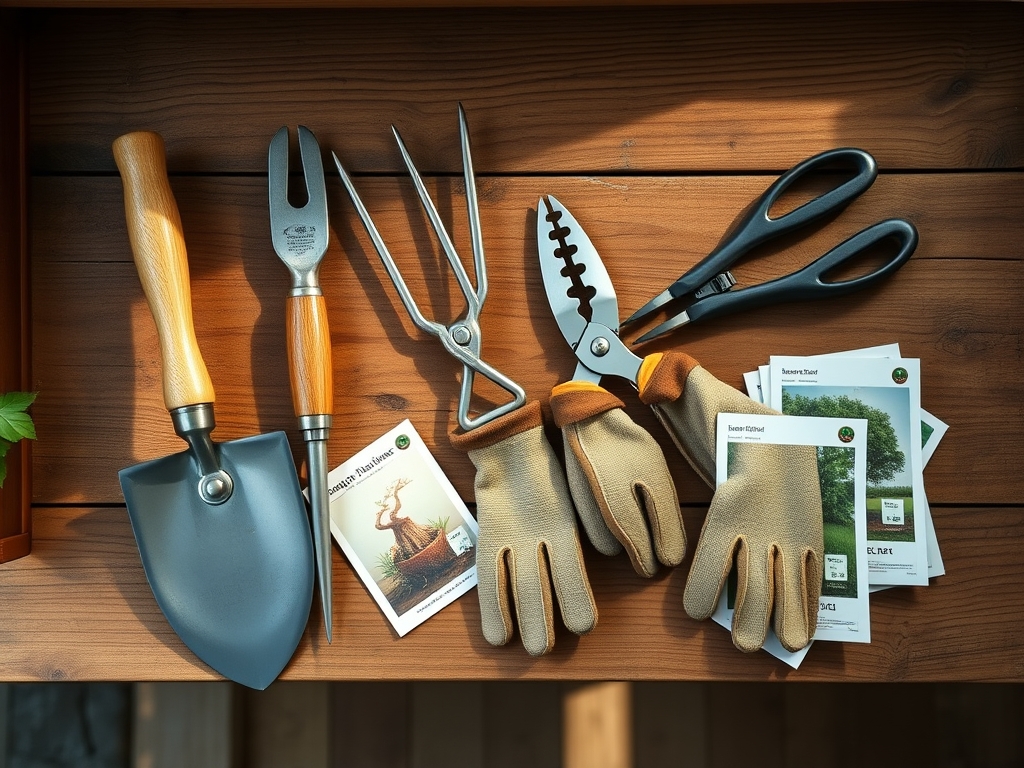
Maintaining a tree capable of supporting weight requires precision tools. Use a hori-hori knife to remove invasive vines like English Ivy, which can trap moisture against the bark and promote fungal rot. Prune deadwood using bypass pruners to prevent falling hazards.
Watering must be strategic. Apply water at the drip line (the outermost circumference of the canopy) rather than the base of the trunk. This encourages lateral root expansion, creating a wider, more stable foundation. Use a soil moisture meter to maintain a consistent moisture level of 30% to 40% in the top 12 inches of soil.
The Yield:
While shade trees do not provide a traditional harvest, their "yield" is measured in biomass and canopy density. To maximize the longevity of a tree used for recreation, monitor the senescence (aging) of the lower limbs. If a limb shows signs of dieback, it may indicate systemic stress. Post-use, gently brush the bark with a soft bristle brush to clear any debris trapped by the straps. This prevents the colonization of wood-boring insects or fungal spores in the compressed ridges.
FAQ:
How wide should hammock straps be to protect bark?
Straps should be at least 1 inch wide, though 2 inches is preferred for thin-barked species. Narrow cords or ropes concentrate pressure, which can crush the phloem and girdle the tree, eventually leading to localized tissue death or systemic decline.
Can I leave hammock straps on the tree overnight?
It is best to remove straps after use. Permanent or long-term installation leads to bark inclusion and cambium compression. Removing them allows the tree to maintain normal gas exchange through the lenticels and prevents moisture buildup that encourages fungal pathogens.
Which tree species are best for hammocks?
Select hardwoods with high wood density and thick bark, such as Oak, Maple, or Hickory. Avoid softwoods like Willow or Poplar, which have brittle wood fibers and thin bark that is easily damaged by mechanical compression and lateral tension.
How do I know if my tree is stressed?
Look for leaf wilting, premature color change, or sap oozing from the strap site. These are signs of hydraulic failure or vascular damage. Use a soil moisture meter to ensure the tree is not suffering from secondary environmental stressors like drought.