7 Best Gloves for Tool Maintenance
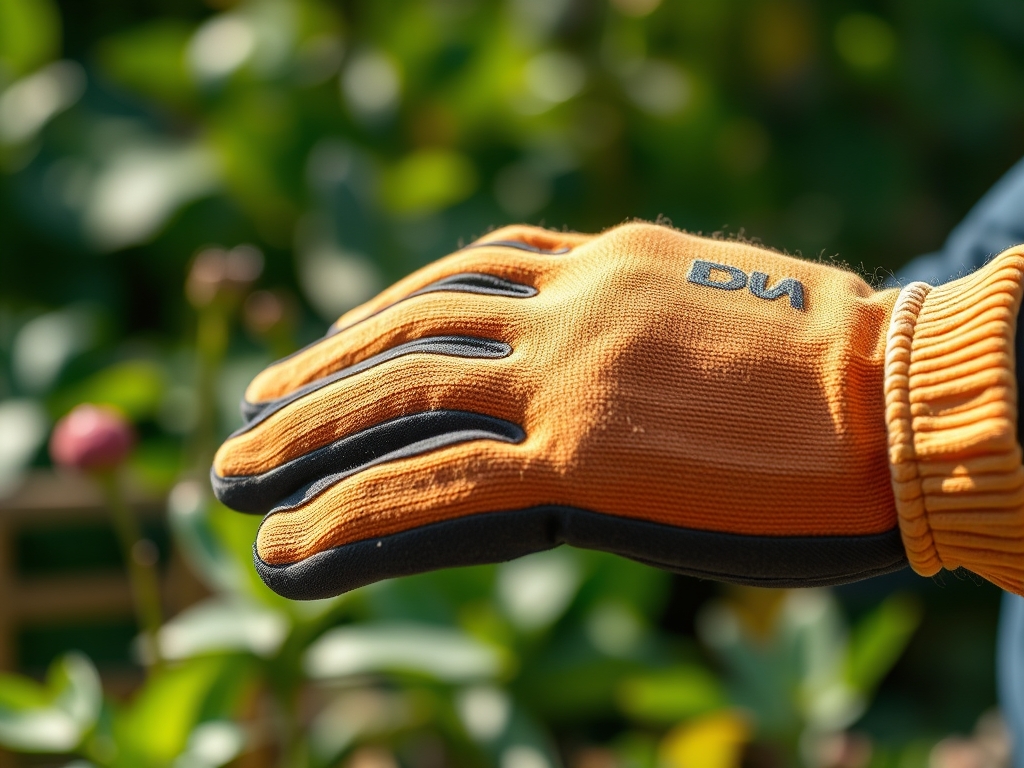
The smell of damp earth signals the onset of the growing season as the turgor of a healthy leaf indicates a plant at its physiological peak. Successful horticulture requires more than biological knowledge; it demands the physical upkeep of the instruments used to manipulate the rhizosphere. Maintaining sharp edges on carbon steel and ensuring clean mechanical joints prevents the transmission of pathogens like Botrytis cinerea. Selecting the best gloves for tool maintenance is a critical decision for any serious grower. This task involves handling abrasive sharpening stones, caustic solvents, and jagged metal burrs that can easily penetrate standard garden fabrics. A failure to protect the hands during the cleaning and sharpening of bypass pruners or spade edges results in micro-lacerations that invite infection. Professional-grade maintenance requires a barrier that offers high tactile sensitivity for feeling the bevel of a blade while providing a high ANSI puncture rating. The following guide details the intersection of soil science, plant health, and the mechanical rigor required to keep a garden functioning at maximum efficiency.
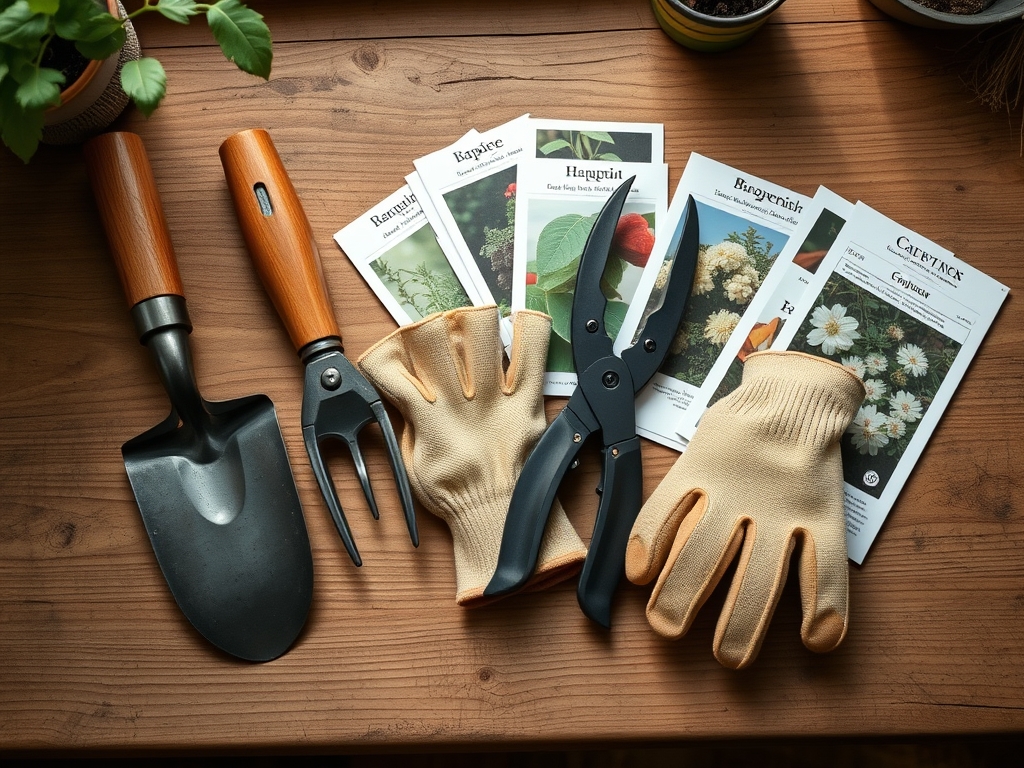
Materials:
The performance of any tool is dictated by the environment in which it operates. A **friable loam** with a **pH of 6.5** is the ideal substrate for most temperate crops; however, this soil composition is abrasive to metal. High **Cation Exchange Capacity (CEC)** values, often exceeding **25 meq/100g**, indicate a soil rich in clay and organic matter that can hold onto essential cations like **Ca2+ and Mg2+**. When working in these heavy soils, tools require frequent cleaning to prevent the buildup of salts and minerals.
Nitrogen (N), Phosphorus (P), and Potassium (K) ratios directly impact tool wear. For instance, a high-nitrogen environment (e.g., 20-10-10 NPK) promotes rapid vegetative growth, leading to more frequent pruning and sap accumulation on blades. Sap is acidic and will pit high-carbon steel if not removed. The physical texture of the substrate also dictates the maintenance schedule. Sandy soils (low CEC) act like sandpaper on shovel heads, requiring more frequent honing of the leading edge to maintain penetration efficiency.
Timing:
Hardiness Zones 3 through 9 dictate the window for major tool overhauls. The primary maintenance phase should occur during the dormant period, typically between the first killing frost and the spring thaw. In Zone 6, this window opens in late November and closes in mid-March. Understanding the biological clock of the garden is essential. The transition from the vegetative stage (leaf production) to the reproductive stage (flowering and fruiting) is governed by the photoperiod.
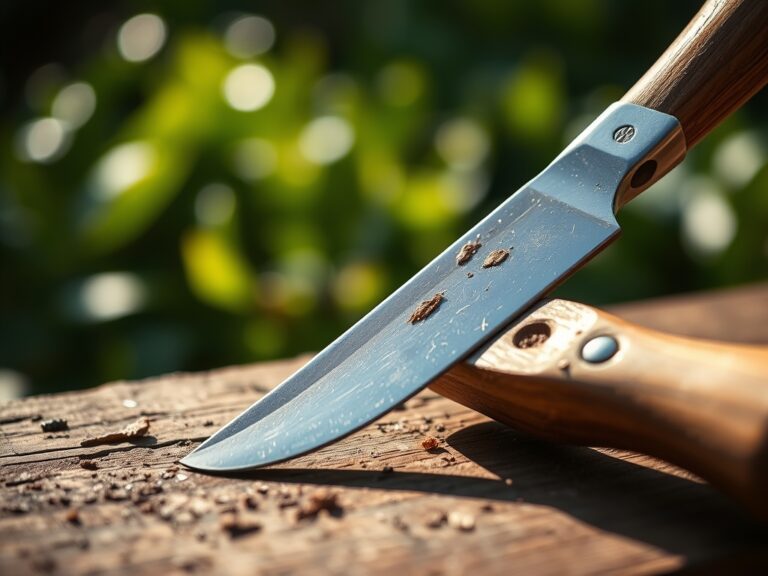
Maintenance must be completed before the spring flush, when the plant's auxin levels spike, triggering rapid cell division. Using a dull hori-hori knife during this period causes ragged wounds on the root system, leading to senescence or opportunistic fungal infections. Aim to have all cutting tools sharpened to a 20-degree bevel before the soil temperature reaches a consistent 50 degrees Fahrenheit, which is the threshold for most microbial activity in the rhizosphere.
Phases:
Sowing
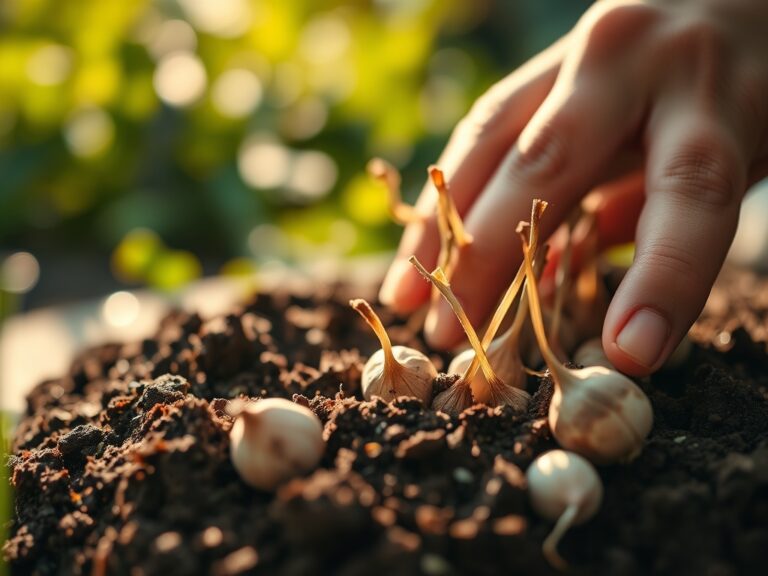
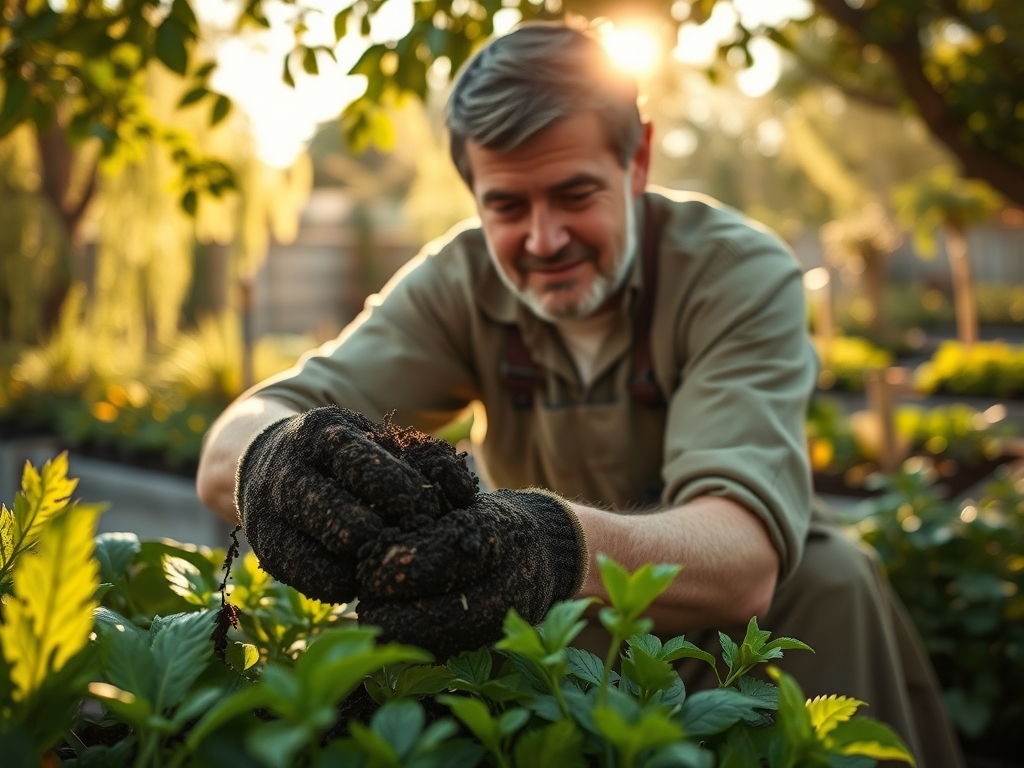
During the sowing phase, precision is paramount. Tools used for seedbed preparation, such as hand rakes and dibbers, must be free of rust to ensure smooth soil displacement. When handling seeds, gloves must be thin enough to feel the seed coat.
Pro-Tip: Proper tool sterilization during sowing prevents "damping off" caused by Pythium species. This is a biological necessity because young seedlings lack the lignified cell walls required to resist soil-borne pathogens.
Transplanting
Transplanting requires a sharp hori-hori knife to slice through circling roots and a clean trowel to minimize friction. The best gloves for tool maintenance during this phase are those that resist the moisture of the transplant hole while allowing for the delicate manipulation of the root ball.
Pro-Tip: Maintaining a sharp edge on transplanting tools minimizes damage to the root hairs. This preserves the mycorrhizal symbiosis, ensuring the fungal hyphae remain intact to facilitate phosphorus uptake in the new location.
Establishing
As plants establish, pruning for airflow and structure begins. Bypass pruners must be calibrated so the blades pass within 0.05 mm of each other. This ensures a clean cut that the plant can seal quickly through the formation of a callus layer.
Pro-Tip: Always prune just above a lateral bud to manage apical dominance. By removing the terminal bud, you suppress the flow of auxins down the stem, which encourages lateral branching and a more robust plant architecture.
The Clinic:
Physiological disorders often stem from poor tool hygiene or improper soil chemistry.
- Symptom: Interveinal chlorosis in young leaves.
Solution: This is often a sign of Iron (Fe) deficiency, typically occurring in soils with a pH above 7.0. Fix this by applying chelated iron and ensuring tools used for soil aeration are clean to avoid further stressing the root system.
- Symptom: Blossom end rot in Solanum lycopersicum.
Solution: This indicates a Calcium (Ca) deficiency, often caused by inconsistent moisture levels rather than a lack of calcium in the soil. Use a soil moisture meter to maintain consistent hydration levels.
- Symptom: Ragged, brown edges on pruning cuts.
Solution: This is a mechanical failure caused by dull blades. The crushed tissue cannot heal, leading to localized necrosis. Sharpen blades to a razor edge using a 1000-grit whetstone.
- Symptom: Stunted growth and purple undersides of leaves.
Solution: This indicates Phosphorus (P) deficiency, common in cold, wet soils. Increase the soil temperature using black mulch and ensure your soil moisture meter reads in the "optimal" range to facilitate nutrient mobility.
Maintenance:
Precision maintenance extends to the irrigation and physical care of the plant. Deliver exactly 1.5 inches of water per week at the drip line. Avoid overhead watering to prevent the spread of foliar diseases. Use a soil moisture meter daily at a depth of 6 inches to monitor the water potential of the rhizosphere.
For the tools themselves, use a wire brush to remove desiccated soil after every use. Wipe blades with a 70% isopropyl alcohol solution to disinfect. Apply a thin coat of mineral oil to all metal surfaces to prevent oxidation. If using bypass pruners, check the tension of the center bolt weekly; a loose bolt allows the blades to "chew" the bark rather than slice it, which disrupts the phloem and restricts sugar transport.
The Yield:
Harvesting is the culmination of the biological cycle. For most fruiting bodies, harvest when turgor pressure is at its highest, typically in the early morning before the sun triggers transpiration. Use a sharpened bypass pruner or a dedicated harvesting knife to make clean cuts.
Post-harvest handling is critical for "day-one" freshness. Immediately reduce the field heat of the produce by placing it in a shaded, cool environment (approximately 45 to 55 degrees Fahrenheit for most vegetables). This slows the rate of respiration and enzyme activity, preserving the sugars and volatile compounds that define flavor and nutritional density.
FAQ:
Why do I need specific gloves for tool maintenance?
Standard garden gloves lack the ANSI cut resistance required for sharpening blades. Maintenance gloves provide a grip-enhanced palm and puncture-resistant lining to protect against steel burrs and sharp edges during the honing process.
How often should I sharpen my bypass pruners?
Sharpen your pruners every 50 to 100 cuts or whenever you notice the blade crushing the plant tissue. A sharp blade ensures the vascular cambium heals quickly, reducing the risk of systemic infection.
What is the best way to remove rust from garden tools?
Use a wire brush or high-grit sandpaper to remove surface oxidation. For deep pitting, soak the tool in a mild acid like white vinegar for 12 hours, scrub, and neutralize with a baking soda solution.
Can dull tools really kill my plants?
Yes. Dull tools create jagged wounds that increase the surface area of the injury. This leads to excessive transpiration and provides an entry point for pathogens like Fusarium or Phytophthora, which can lead to plant death.