8 Best Burros Tail Plant Tips for Yield
Crushing a healthy Sedum morganianum leaf between your fingers reveals a viscous, water-storing parenchyma that defines the species. The turgor pressure should be high enough that the leaf resists compression before snapping cleanly. Achieving this level of cellular hydration without inducing root rot requires a precise mastery of drainage and mineral balance. To achieve maximum biomass, you must implement the best burros tail plant tips focused on substrate porosity and light saturation. This plant does not tolerate neglect; it requires a calculated environment where the rhizosphere remains oxygenated while the foliage absorbs specific wavelengths of light. Success is measured by the length of the pendulous stems and the density of the overlapping, glaucous leaves. A healthy specimen will exhibit a silvery blue epicuticular wax that protects the plant from intense solar radiation and reduces transpiration. We will analyze the specific physiological requirements of this Mexican native to ensure your cultivation efforts result in a robust, structural masterpiece.
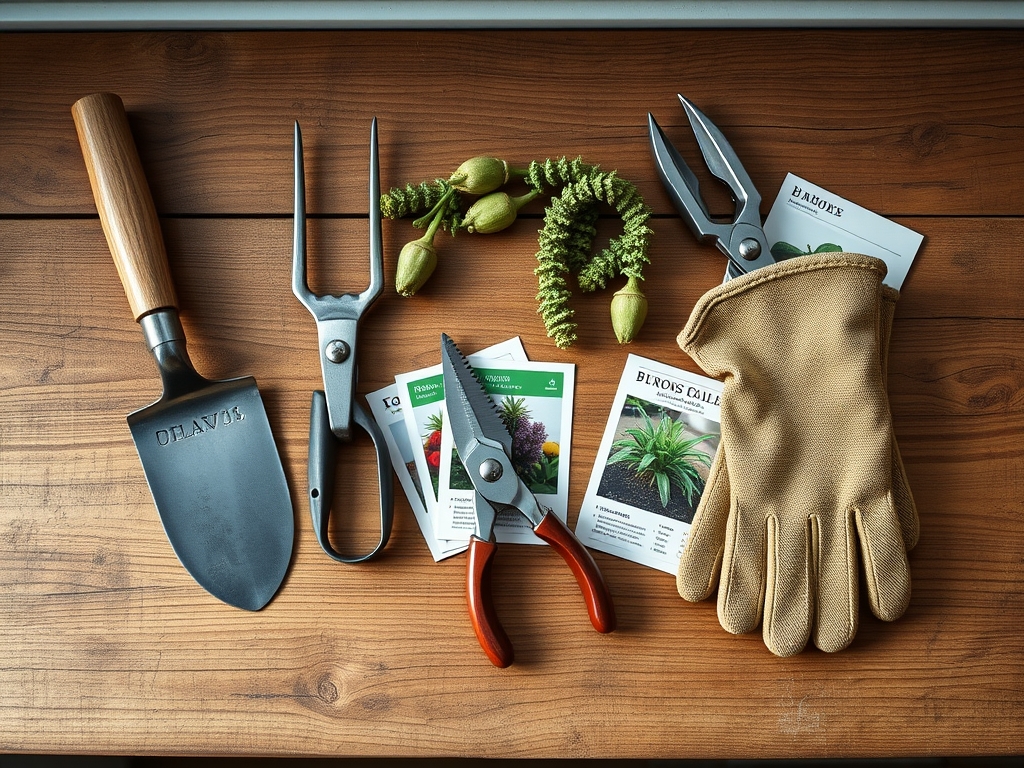
Materials:
The substrate is the most critical component for Sedum morganianum. You must utilize a friable loam with a high percentage of inorganic matter to facilitate rapid drainage. Aim for a soil pH between 6.0 and 7.0. A slightly acidic environment optimizes the availability of micronutrients.
Your mineral mix should consist of 40 percent pumice or perlite, 40 percent coarse sand, and 20 percent organic compost. This ratio ensures a high Cation Exchange Capacity (CEC) while preventing the compaction that leads to anaerobic conditions. For fertilization, utilize a low-nitrogen formula to prevent leggy, weak growth. An NPK ratio of 5-10-10 or 2-7-7 is ideal during the active growing season. High phosphorus levels support strong root systems and cellular integrity. Avoid heavy peat-based mixes; they retain moisture for too long and can become hydrophobic when dry, making re-hydration difficult.
Timing:
Sedum morganianum is hardy in USDA Zones 9 through 11. In these regions, it can remain outdoors year-round. In cooler climates, the plant must be moved indoors when ambient temperatures drop below 40 degrees Fahrenheit. The biological clock of the Burros Tail is dictated by the photoperiod.
The vegetative stage occurs from early spring through late summer. During this window, the plant requires 10 to 12 hours of bright, indirect light to drive photosynthesis. As the photoperiod shortens in autumn, the plant enters a semi-dormant state. Growth slows significantly as the plant redirects energy from leaf production to metabolic maintenance. You must align your propagation and repotting efforts with the start of the spring equinox. This ensures the root system has the maximum duration of the growing season to establish itself before the metabolic slowdown of winter.
Phases:
Sowing and Propagation
Propagation is most effective via leaf or stem cuttings rather than seed. Place individual leaves on top of a dry, sandy substrate. Do not bury them. Within 14 to 21 days, adventitious roots will emerge from the callous at the base of the leaf.
Pro-Tip: Maintain high humidity around the leaf base without wetting the tissue. This triggers a hydrotropic response, where roots grow aggressively in search of moisture gradients.
Transplanting
When moving a specimen to a larger vessel, choose a heavy ceramic or terracotta pot. These materials are porous and allow for lateral evaporation through the container walls. Ensure the root ball is dry before handling to reduce the risk of mechanical damage to the fragile stems.
Pro-Tip: Use a hormone-based rooting powder containing Indole-3-butyric acid on stem cuttings. This suppresses auxin dominance at the tip and forces the plant to prioritize basal root development.
Establishing
Once transplanted, place the Burros Tail in a location with consistent airflow. Stagnant air increases the risk of fungal pathogens. Monitor the turgor of the leaves; they should feel firm to the touch. If the leaves appear wrinkled, the plant is utilizing its internal water reserves and requires irrigation.
Pro-Tip: Avoid moving the plant once it is established. Frequent changes in light direction cause phototropism stress, where the plant wastes energy reorienting its leaves toward the light source.
The Clinic:
Symptom: Yellowing, translucent leaves that fall off at the slightest touch.
Solution: This indicates edema or root rot caused by overwatering. Cease irrigation immediately. Check the rhizosphere for blackened, slimy roots. If present, excise the damaged tissue with a sterilized hori-hori knife and repot in fresh, dry substrate.
Symptom: Stretched, thin stems with wide gaps between leaves (Etiolation).
Solution: The plant is experiencing light deficiency. Increase light exposure to at least 6 hours of direct morning sun. The plant is reaching for light, a process driven by elongated cell growth on the shaded side of the stem.
Symptom: Pale, stunted new growth (Nitrogen Chlorosis).
Fix-It: Apply a diluted liquid fertilizer with a balanced NPK ratio. Ensure the soil pH is not above 7.5, as high alkalinity can lock out nitrogen and iron, preventing the synthesis of chlorophyll.
Symptom: Brown, scorched patches on the leaf surface.
Solution: This is solar radiation damage. While the plant needs light, sudden exposure to intense afternoon sun can burn the epidermis. Gradually acclimate the plant to higher light intensities over a 14-day period.
Maintenance:
Precision is the hallmark of a master horticulturist. Use a soil moisture meter to verify that the substrate is dry to a depth of 3 inches before adding water. When you irrigate, apply water until it drains freely from the bottom of the pot; this flushes out accumulated mineral salts.
During the peak growing season, the plant typically requires water every 10 to 14 days, depending on humidity levels. Use bypass pruners to remove any dead or desiccated stems at the base. This improves airflow and redirects energy to healthy apical meristems. Avoid touching the leaves whenever possible; the oils from human skin can dissolve the protective epicuticular wax, leaving the plant vulnerable to moisture loss and UV damage.
The Yield:
For Sedum morganianum, the "yield" is defined by the length and density of the trailing stems. To maximize this, focus on potassium levels in your fertilizer. Potassium regulates the opening and closing of stomata and strengthens the vascular system of the plant.
If you are harvesting stems for propagation or floral arrangements, use a sharp, sterilized blade to make a clean cut. Allow the cut end to callous in a cool, dry place for 48 to 72 hours. This prevents pathogens from entering the vascular tissue. For "day-one" freshness in a display, keep the calloused stems in a low-light, cool environment (approx 60 degrees Fahrenheit) to minimize the metabolic rate and preserve turgor.
FAQ:
How much light does a Burros Tail need?
It requires 6 to 8 hours of bright, indirect sunlight. Morning sun is ideal; harsh afternoon sun can cause epidermal scorching. If grown indoors, a south-facing window or supplemental full-spectrum LED grow lights are necessary for maintaining leaf density.
Why are my Burros Tail leaves falling off?
Leaves drop due to physical contact or overwatering. The plant stores water in its leaves; when the soil is too wet, the cells become over-pressurized and fragile. Ensure the substrate dries completely between watering cycles to maintain structural integrity.
What is the best soil for Burros Tail?
A well-draining, gritty mix with a pH of 6.0 to 7.0. Combine 40% pumice, 40% coarse sand, and 20% organic matter. This composition prevents waterlogging while providing essential minerals and a stable Cation Exchange Capacity for nutrient uptake.
How often should I fertilize Sedum morganianum?
Apply a low-nitrogen, high-phosphorus fertilizer once a month during the spring and summer. Use a half-strength dilution of a 5-10-10 NPK formula. Suspend all fertilization during the winter dormancy period to prevent the buildup of toxic mineral salts.