8 Best Salt Tolerant Shrubs
Crushing a handful of damp, sandy loam reveals the gritty reality of coastal gardening where sodium ions threaten to collapse cellular turgor pressure. In these high-salinity environments, traditional ornamentals suffer from osmotic stress, leading to scorched leaf margins and stunted root development. Success requires selecting the best salt tolerant shrubs that possess specialized physiological adaptations, such as salt-excreting glands or thickened cuticles. These species maintain high water potential even when the rhizosphere is saturated with salt spray. Selecting the correct woody perennials ensures the landscape remains architecturally sound despite the desiccating winds and brine of the Atlantic or Pacific seaboards. A professional approach prioritizes plants that manage ion toxicity while maintaining vigorous metabolic rates.
Materials:
The foundation of a salt-resistant landscape is a friable loam with a high Cation Exchange Capacity (CEC) to buffer against sodium accumulation. Most salt-tolerant species thrive in a soil pH range of 6.0 to 7.5. For specific NPK requirements, use a slow-release 10-10-10 fertilizer for general establishment, though certain species require targeted ratios:
- Rugosa Rose (Rosa rugosa): Prefers a 5-10-5 ratio to prioritize root and flower development over excessive foliage.
- Bayberry (Morella pensylvanica): Requires minimal nitrogen due to its symbiotic relationship with nitrogen-fixing actinomycetes; a 0-10-10 is sufficient.
- Oleander (Nerium oleander): High phosphorus needs; use a 10-20-10 blend.
- Winterberry (Ilex verticillata): Acid-loving; requires a pH of 4.5 to 5.5 and an acid-tone 4-3-4 fertilizer.
- Saltbush (Atriplex canescens): Thrives in alkaline soils up to pH 8.5 with no supplemental NPK.
- Japanese Pittosporum (Pittosporum tobira): Balanced 10-10-10 at the drip line.
- Hydrangea Macrophylla: High potassium requirements (10-5-20) to maintain stem strength.
- Sea Grape (Coccoloba uvifera): Prefers organic-rich substrates with a 6-6-6 ratio.
Timing:
Planting must align with the Hardiness Zones 3 through 11, depending on the species selected. For temperate zones (Zones 3-7), the ideal window is six weeks before the first hard frost or early spring before the transition from the dormant to the vegetative stage. This timing allows the root system to establish before the plant enters the high-transpiration demands of summer. The biological clock of these shrubs is governed by photoperiodism, where shorter days trigger the production of abscisic acid, signaling the plant to enter senescence. In subtropical zones (8-11), planting can occur year-round, provided the soil temperature remains above 55 degrees Fahrenheit to support active root respiration.
Phases:

Sowing and Seed Stratification
For species like Bayberry or Rugosa Rose, seeds require a 90-day cold stratification at 35 to 40 degrees Fahrenheit. This process breaks physiological dormancy by mimicking winter conditions, allowing the embryo to mature. Sow seeds at a depth of twice the seed diameter in a sterile, perlite-heavy medium.
Pro-Tip: Maintain consistent moisture to prevent the seed coat from hardening. This ensures the emerging radicle can penetrate the substrate via geotropism, the plant's hormonal response to gravity.
Transplanting
When moving container-grown shrubs to the field, dig a hole twice the width of the root ball but no deeper. Ensure the root flare is visible at the soil surface. High sodium soils can cause "clay dispersion," so incorporating organic matter is vital to maintain soil structure.
Pro-Tip: Inoculate the planting hole with mycorrhizal fungi. This symbiotic relationship expands the root's surface area, significantly increasing the uptake of phosphorus and water while filtering out harmful sodium ions.
Establishing
During the first 12 to 18 months, the shrub focuses on subterranean biomass. Irrigate with 1.5 inches of water per week, delivered slowly to ensure deep penetration. Avoid overhead irrigation, as water droplets on leaves can concentrate salts through evaporation, leading to "salt burn."
Pro-Tip: Use a mulch layer of 3 inches to suppress weeds and regulate soil temperature. This prevents auxin suppression in the roots, allowing for the rapid apical dominance of the primary leader stems.
The Clinic:
Physiological disorders in salt-heavy environments often mimic nutrient deficiencies.
- Symptom: Interveinal chlorosis (yellowing between green veins) on new growth.
- Solution: This indicates Iron deficiency, often caused by high pH. Apply chelated iron to the soil.
- Symptom: Marginal leaf scorch and necrosis on older leaves.
- Solution: This is Sodium Toxicity. Flush the root zone with 5 gallons of fresh water per square foot to leach salts.
- Symptom: Wilting despite moist soil.
- Solution: Osmotic Stress. The salt concentration in the soil is higher than in the plant cells, drawing water out. Increase organic matter to improve water retention and dilute salt ions.
- Fix-It: For Nitrogen chlorosis (overall pale green leaves), apply a foliar spray of urea at a 0.5 percent concentration for immediate uptake while adjusting soil NPK.
Maintenance:
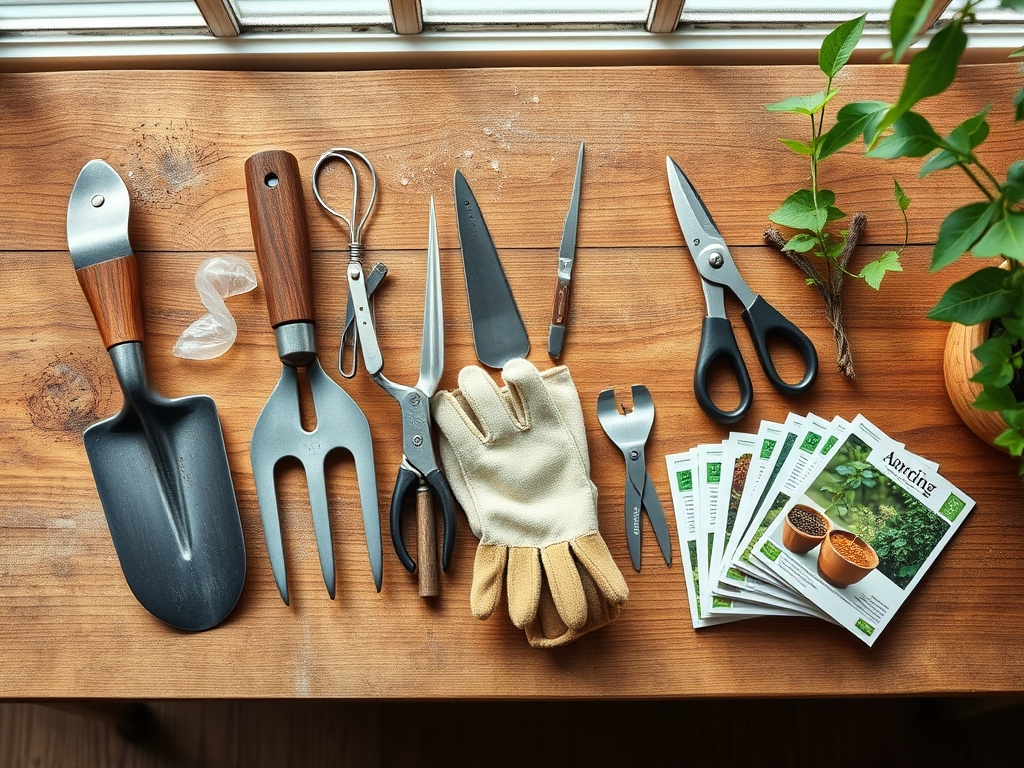
Precision is required for long-term health. Use a soil moisture meter to verify that the root zone at a 6-inch depth remains at 40 to 60 percent field capacity. Pruning should be performed with sharpened bypass pruners to ensure clean vascular cuts that heal quickly. For larger stems, a hori-hori knife is effective for removing suckers at the base.
Prune spring-flowering shrubs immediately after the floral display to avoid removing next year's buds. For salt-tolerant evergreens, light shearing in late winter maintains density. Always disinfect tools with 70 percent isopropyl alcohol between plants to prevent the spread of pathogens like Phytophthora.
The Yield:
For fruiting salt-tolerant shrubs like Sea Grape or Rugosa Rose (hips), harvest when the fruit reaches full color saturation and yields slightly to pressure. Rugosa hips are highest in Vitamin C after the first light frost. Use a sharp blade to cut the pedicel; do not pull the fruit, as this can damage the axillary buds. To maintain "day-one" freshness, hydro-cool the harvest in 40-degree water for ten minutes to remove field heat and slow the metabolic rate of the fruit.
FAQ:
Which shrub is most resistant to direct salt spray?
The Rugosa Rose and Saltbush are the most resilient. They feature thick, leathery leaves or waxy coatings that prevent sodium ions from entering the leaf tissue, making them ideal for frontline ocean exposure in Zones 3-9.
How do I lower the pH of salty soil?
Incorporate elemental sulfur or aluminum sulfate into the top 6 inches of soil. This chemical reaction converts to sulfuric acid, lowering the pH and making essential micronutrients like iron and manganese more available to the plant's root system.
Can I use sea salt as a fertilizer?
No. While sea salt contains trace minerals, the high concentration of sodium chloride is toxic to most plants. It disrupts the osmotic balance, prevents water uptake, and can lead to permanent soil structure collapse through deflocculation.
What is the best way to protect shrubs from winter salt?
Erect a burlap screen on the windward side of the shrubs. This physical barrier intercepts salt-laden mist and road spray. Additionally, apply a heavy dormant oil or anti-desiccant spray to the foliage to reduce moisture loss.