10 Best Honing Oils for Stones
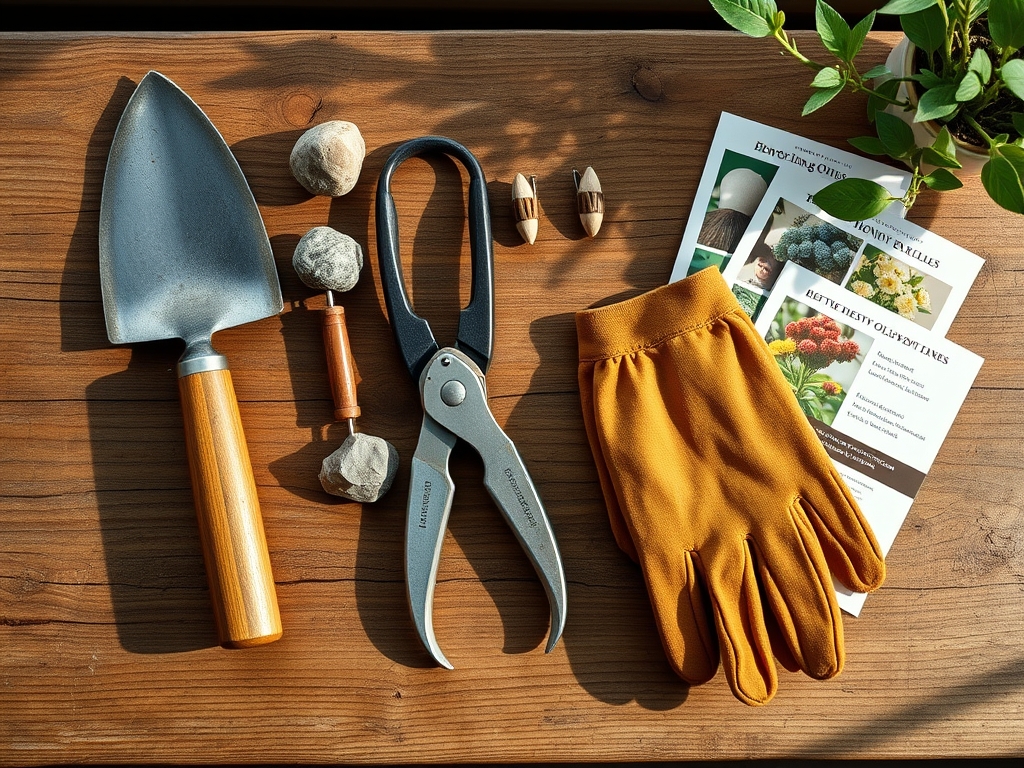
The smell of damp earth and the crisp turgor of a healthy leaf define the success of a master gardener; yet, the precision of the harvest depends entirely on the edge of the blade. Maintaining that edge requires an understanding of friction and lubrication. Selecting the best honing oils for stones is not merely a matter of maintenance; it is a fundamental requirement for the horticulturalist who demands surgical precision from their bypass pruners and hori-hori knives. A dull blade crushes the vascular tissue of a plant, whereas a sharp, lubricated edge ensures a clean cut that preserves the integrity of the xylem and phloem.
Materials:
The success of any botanical endeavor begins in the rhizosphere, where soil pH and nutrient availability dictate the plant’s metabolic rate. For high-performance cultivation, the substrate must be a friable loam with a **Cation Exchange Capacity (CEC) between 15 and 25 meq/100g**. This ensures the soil can hold and exchange essential cations like Calcium (Ca2+) and Magnesium (Mg2+).
When selecting fertilizers to supplement this substrate, focus on the following NPK ratios based on the growth stage:
- Vegetative Growth: A 10-5-5 NPK ratio provides the nitrogen necessary for chlorophyll production and rapid leaf expansion.
- Reproductive Phase: A 5-10-10 NPK ratio shifts energy toward root development and flower initiation.
- Soil pH: Maintain a range between 6.2 and 6.8 to prevent nutrient lockout, particularly for micronutrients like Manganese and Iron.
Timing:
The biological clock of the plant is governed by the photoperiod and the thermal accumulation of Growing Degree Days (GDD). In Hardiness Zones 5 through 7, the window for spring transplanting typically opens 14 days after the last predicted frost, when soil temperatures consistently reach 55 degrees Fahrenheit.
The transition from the vegetative stage to the reproductive stage is triggered by hormonal shifts, specifically the ratio of auxins to gibberellins. As day length changes, the plant undergoes senescence in older tissues to reallocate carbon and nitrogen to developing fruits or seeds. Monitoring the frost-date window is critical; a sudden drop to 32 degrees Fahrenheit can cause ice crystals to form within the extracellular spaces, leading to cellular rupture and systemic collapse.
Phases:

Sowing
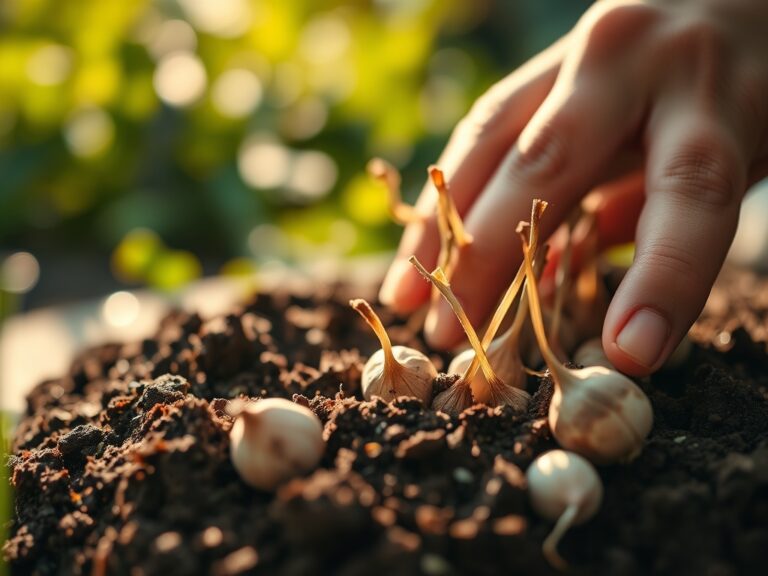
Seeds must be placed at a depth exactly 2.5 times their diameter to ensure adequate moisture contact while allowing the hypocotyl to reach the surface before endosperm reserves are exhausted. Maintain a consistent substrate temperature of 70 degrees Fahrenheit for optimal germination enzymes to activate.
Pro-Tip: Utilize a heat mat to maintain bottom heat. This accelerates metabolic rates because enzyme kinetics in the seed embryo are temperature-dependent, leading to a more uniform emergence across the tray.
Transplanting
When moving seedlings, the goal is to minimize transplant shock by preserving the integrity of the root hairs. These microscopic structures are responsible for the vast majority of water and nutrient uptake. Ensure the transplant hole is twice as wide as the root ball to encourage lateral root expansion into the surrounding friable loam.
Pro-Tip: Inoculate the planting hole with mycorrhizal fungi. This symbiotic relationship extends the effective reach of the root system by a factor of ten, significantly increasing phosphorus uptake through a network of fungal hyphae.
Establishing
During the first 21 days post-transplant, the plant focuses on root architecture over apical growth. This is the period of "auxin suppression" where the plant establishes a foundation. Ensure the soil moisture meter reads between 60% and 80% field capacity to prevent wilting while encouraging roots to dive deep for moisture.
Pro-Tip: Avoid high-nitrogen fertilizers during the first two weeks. Excessive nitrogen at this stage promotes "leggy" growth with weak cell walls, making the plant more susceptible to wind damage and opportunistic pathogens.
The Clinic:
Physiological disorders often mimic infectious diseases but are rooted in environmental or nutritional imbalances.
Symptom: Interveinal chlorosis on young leaves (yellowing between green veins).
Solution: This indicates an Iron deficiency, often caused by a soil pH above 7.0.
Fix-It: Apply chelated iron and lower the pH using elemental sulfur to a range of 6.5.
Symptom: Blossom end rot (dark, leathery spots on the base of fruit).
Solution: This is a Calcium transport issue, often exacerbated by inconsistent watering.
Fix-It: Ensure a steady supply of moisture to maintain transpiration flow, which carries Calcium from the roots to the fruit.
Symptom: Purpling of the underside of leaves.
Solution: Phosphorus deficiency, common in cold soils where microbial activity is low.
Fix-It: Apply a water-soluble high-phosphorus fertilizer (0-20-0) once soil temperatures exceed 60 degrees Fahrenheit.
Maintenance:
Precision maintenance requires the right tools. Use a soil moisture meter daily to ensure the root zone receives exactly 1.5 inches of water per week at the drip line. This prevents the saturation of the pore spaces, which would otherwise lead to anaerobic conditions and root rot.
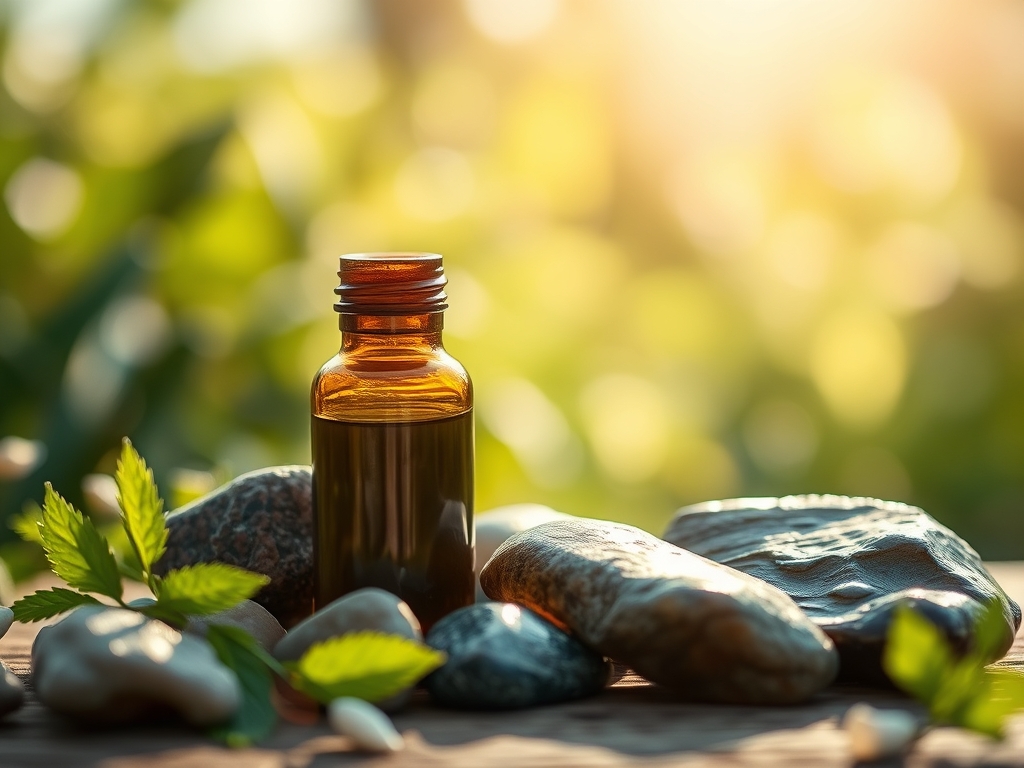
Keep your bypass pruners and hori-hori knife sterilized with 70% isopropyl alcohol between every plant to prevent cross-contamination of pathogens. When the blades lose their "bite," use the best honing oils for stones (specifically a non-hardening mineral oil) to lubricate your sharpening stones. This prevents the stone's pores from clogging with metal swarf, ensuring a razor-sharp edge that creates a clean, surgical wound on the plant tissue.
The Yield:
Harvesting should occur during the "cool of the day," typically between 6:00 AM and 9:00 AM, when plant turgor pressure is at its peak. This ensures the cells are fully hydrated, leading to a longer shelf life and better texture. Use your sharpened bypass pruners to cut at a 45-degree angle to prevent water from pooling on the remaining stem.
Post-harvest handling is critical. Immediately move the yield to a shaded environment with a relative humidity of 85% to 95%. For leafy greens, a rapid hydro-cooling process (submerging in 40-degree Fahrenheit water) removes field heat and stops the process of senescence, locking in "day-one" freshness and nutrient density.
FAQ:
What is the best NPK ratio for general gardening?
A balanced 10-10-10 NPK ratio is ideal for general maintenance. It provides equal parts nitrogen for foliage, phosphorus for roots, and potassium for overall cellular health and disease resistance in most temperate climates.
How do I know if my soil needs lime?
Test the soil pH using a digital meter. If the reading is below 5.8, the soil is too acidic for most crops. Applying pelletized lime will raise the pH and increase the Cation Exchange Capacity.
Why is honing oil necessary for garden tools?
The best honing oils for stones float metal filings away from the sharpening surface. This prevents the stone from "glazing," ensuring the abrasive grit can properly sharpen your hori-hori knife for precise root pruning and weeding.
How often should I water my established perennials?
Provide 1.5 inches of water once per week. Apply the water directly to the soil at the drip line using a soaker hose. This encourages deep root penetration and prevents foliar diseases caused by wet leaves.