6 Basic Steps to Mosaic Plant Care
The smell of damp peat and the crisp snap of a leaf with high turgor pressure define the workspace of a serious indoor gardener. Fittonia albivenis, commonly known as the mosaic plant, demands a precise environment to maintain its cellular integrity. Mastering the steps to mosaic plant care requires an understanding of tropical physiology and soil mechanics. You must manage transpiration rates and substrate moisture with surgical precision to prevent permanent wilting or root senescence.
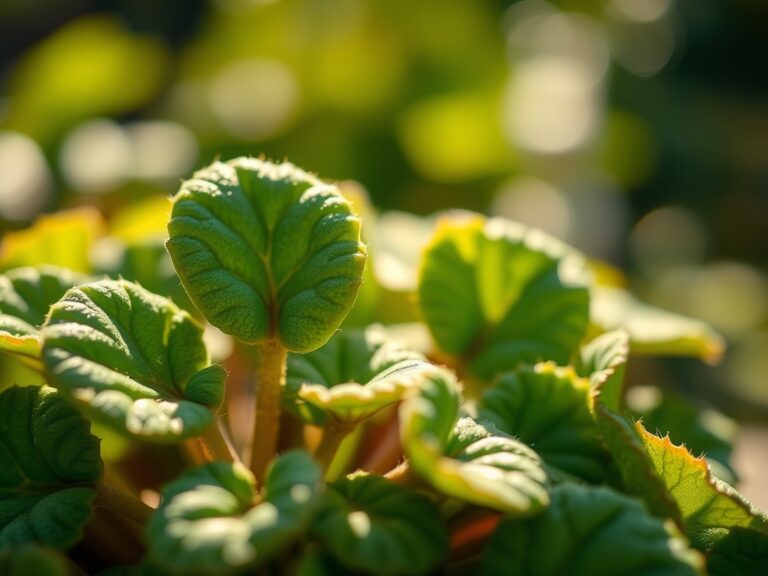
Successful cultivation depends on the balance between humidity and gas exchange. These plants originate from the rainforest floors of Peru; they are biologically programmed for low light and high atmospheric moisture. When the white or pink venation stands out against a deep green lamina, the plant is effectively synthesizing chlorophyll while maintaining its osmotic balance. Failure to provide these specific conditions results in rapid leaf drop. This guide provides the technical framework needed to sustain these delicate perennials through rigorous scientific management.
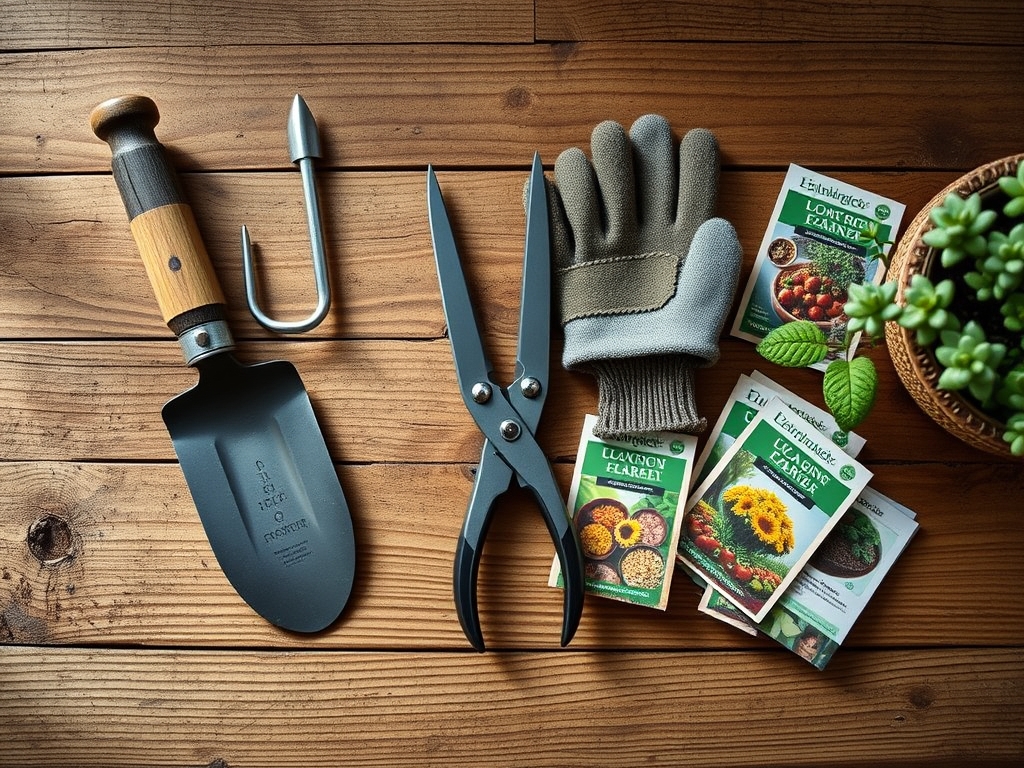
Materials:
The substrate is the foundation of the rhizosphere. Mosaic plants require a pH level between 5.5 and 6.5 to ensure maximum nutrient availability. The ideal medium is a friable loam composed of 50 percent peat moss or coconut coir, 25 percent perlite, and 25 percent pine bark. This mixture provides the high Cation Exchange Capacity (CEC) necessary to hold onto essential minerals while preventing anaerobic conditions.
Nutrient requirements follow a specific NPK ratio. During the active growing season, utilize a water soluble fertilizer with a ratio of 5-5-5 or 10-10-10. The nitrogen (N) supports leaf expansion; phosphorus (P) maintains the root architecture; and potassium (K) regulates the opening and closing of stomata. Avoid heavy salts. If the electrical conductivity (EC) of the soil becomes too high, the roots will suffer from osmotic shock.
Timing:
Mosaic plants are strictly tropical and thrive in USDA Hardiness Zones 11 through 12. They cannot survive temperatures below 55 degrees Fahrenheit. In temperate climates, these are strictly indoor specimens. The biological clock of the mosaic plant is governed by the photoperiod. While they do not require a specific day length to survive, their growth slows significantly when light levels drop below 100 foot-candles.
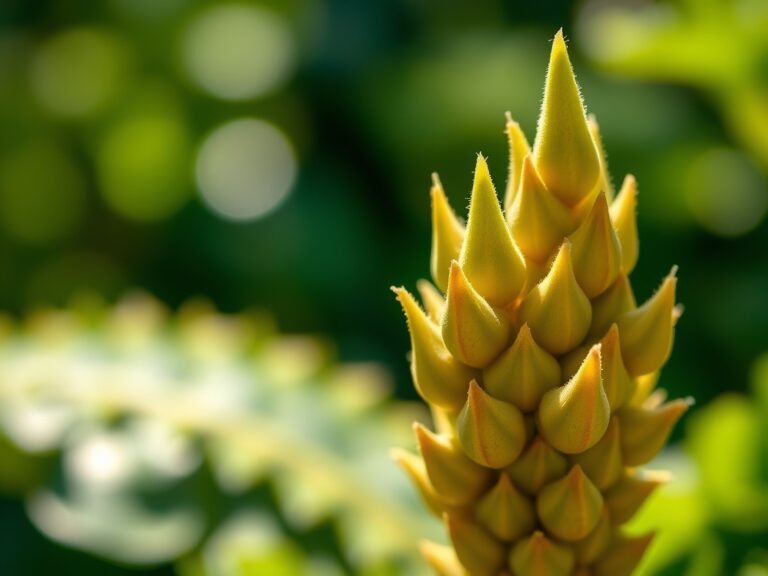
The transition from the vegetative stage to the reproductive stage is rare in indoor settings. If the plant produces its small, yellowish spikes, it is often a sign of environmental stress or maturity. Most growers pinch these off to redirect energy back into the foliage. Plan your repotting for early spring, just as the plant enters its peak metabolic window. This allows the root system to colonize new substrate before the heat of midsummer increases transpiration demands.
Phases:

Sowing and Propagation
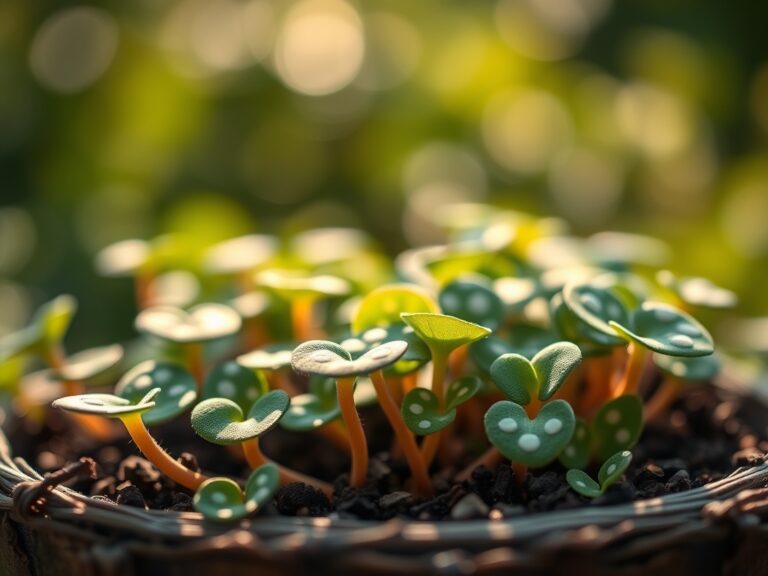
Mosaic plants are most effectively propagated via stem tip cuttings rather than seeds. Take a 2 to 3 inch cutting with at least two nodes present. Place the cutting in a sterile, moist medium or a glass of distilled water.
Pro-Tip: Maintaining a constant temperature of 70 to 75 degrees Fahrenheit at the base of the cutting encourages rapid cell differentiation. This is due to the concentration of auxins at the nodes; these plant hormones trigger the growth of adventitious roots when light is excluded from the stem base.
Transplanting
When the root system has reached approximately 1 inch in length, move the specimen to its permanent container. Ensure the pot has adequate drainage holes. Use a hori-hori knife to create a precise opening in the substrate, taking care not to compress the soil too tightly around the delicate root hairs.
Pro-Tip: Water the plant immediately after transplanting to eliminate air pockets. This facilitates mycorrhizal symbiosis; the beneficial fungi in the soil can only establish a connection with the root cortex in a stable, moist environment.
Establishing
The first 14 to 21 days post-transplant are critical. The plant must establish enough root mass to support its foliage without the aid of a high-humidity propagation dome. Gradually increase the time the plant spends in ambient air to harden the cuticle.
Pro-Tip: Use a soil moisture meter to keep the substrate consistently at a level 4 or 5 on a 10-point scale. This prevents the "fainting" response, which is a loss of turgor pressure. Frequent wilting causes mechanical stress on the cell walls, leading to premature senescence.
The Clinic:
Physiological disorders in mosaic plants are usually a direct result of environmental imbalance.
- Symptom: Leaf Margin Necrosis (Brown Edges).
Solution: This is typically caused by low humidity or fluoride toxicity from tap water. Increase local humidity to 60 percent or higher and switch to distilled or rain water. - Symptom: Interveinal Chlorosis (Yellowing between veins).
Solution: This indicates a magnesium deficiency or a pH imbalance that is locking out nutrients. Flush the soil with pH-balanced water and apply a micronutrient supplement. - Symptom: Stem Elongation (Legginess).
Solution: This is a phototropic response where the plant stretches toward a light source. Increase light intensity to 200 to 400 foot-candles using a full-spectrum LED.
Fix-It: Nitrogen Chlorosis. If the oldest leaves turn a uniform pale yellow, the plant is scavenging nitrogen to support new growth. Apply a high-nitrogen liquid fertilizer at half strength immediately to restore the chlorophyll density.
Maintenance:
Precision maintenance is the difference between a surviving plant and a thriving one. Provide exactly 1.5 inches of water per week, distributed evenly across the substrate surface. Do not water only at the base; ensure the entire root ball is hydrated. Use bypass pruners to remove any yellowing leaves at the point of attachment to the main stem. This prevents pathogens from colonizing dead tissue.
Monitor the light levels daily. If the leaves become scorched or bleached, the light intensity is too high. If the vibrant vein patterns fade to a dull green, the light is too low. A soil moisture meter should be used every 48 hours to ensure the root zone never dries out completely. If the plant "collapses" due to drought, submerge the bottom of the pot in an inch of water for 30 minutes to rehydrate the peat through capillary action.
The Yield:
While the mosaic plant is grown for its foliage rather than a harvestable crop, maintaining "day-one" freshness involves regular grooming. Pinch back the growing tips every 4 to 6 weeks to encourage lateral branching. This results in a dense, carpet-like habit. If you are using the plant in a terrarium, use long-handled forceps to remove debris. Clean the leaf surfaces with a soft, damp cloth once a month to remove dust that can block the stomata and reduce photosynthetic efficiency.
FAQ:
Why is my mosaic plant wilting despite wet soil?
This is likely root rot caused by anaerobic conditions. When soil is oversaturated, oxygen cannot reach the roots, leading to cellular death. Ensure the substrate is porous and the pot has functional drainage holes to allow gas exchange.
How much light does a mosaic plant actually need?
They require bright, indirect light between 100 and 400 foot-candles. Direct sunlight will cause rapid transpiration and leaf scorch. A north-facing window or a shaded eastern window provides the ideal PAR (Photosynthetically Active Radiation) levels for this species.
Can I use standard potting soil for Fittonia?
Standard soil is often too heavy and retains too much water. For the best results, amend standard soil with 50 percent perlite or coarse sand. This increases the macropore space, ensuring the roots have access to both water and oxygen.
How often should I fertilize my mosaic plant?
Apply a balanced, water soluble fertilizer every 4 weeks during the spring and summer. Reduce this to every 8 to 10 weeks during the winter dormancy period. Always apply fertilizer to moist soil to prevent chemical burns on the root system.